When an emergency strikes, the difference between life and death often hinges on the immediate actions of bystanders. Whether it’s a colleague choking in the workplace, a child suffering an allergic reaction, or a stranger experiencing cardiac arrest in public, having current first aid knowledge can make all the difference. Yet many people complete their initial first aid training and never return to update their skills. This approach can be dangerously outdated, as medical guidelines evolve, techniques are refined, and personal skills inevitably deteriorate over time. Understanding why first aid refresher courses every two years are essential reveals why this practice should be non-negotiable for anyone who has undertaken first aid training.
- Skills Deteriorate Without Regular Practice
The human brain is remarkably efficient at discarding information it doesn’t regularly use. Research consistently demonstrates that practical skills, particularly those learnt during intensive training sessions, decay rapidly without reinforcement. First aid techniques are no exception to this rule.
Studies examining skill retention after first aid training have revealed concerning patterns. Most individuals experience significant deterioration in their practical abilities within six months of completing a course, with some research suggesting that as many as half of all trainees lose confidence in performing CPR correctly within just three months. By the two-year mark, many people struggle to remember the correct compression-to-breath ratio, appropriate hand placement, or suitable compression depth for effective cardiopulmonary resuscitation.
The consequences of this skills decay extend beyond CPR. Proper bandaging techniques, the correct positioning of an unconscious casualty, identifying signs of stroke, and managing severe bleeding all require precise knowledge and confident execution. When faced with a real emergency after months or years without practice, even well-intentioned individuals may hesitate, perform techniques incorrectly, or inadvertently cause harm through outdated methods.
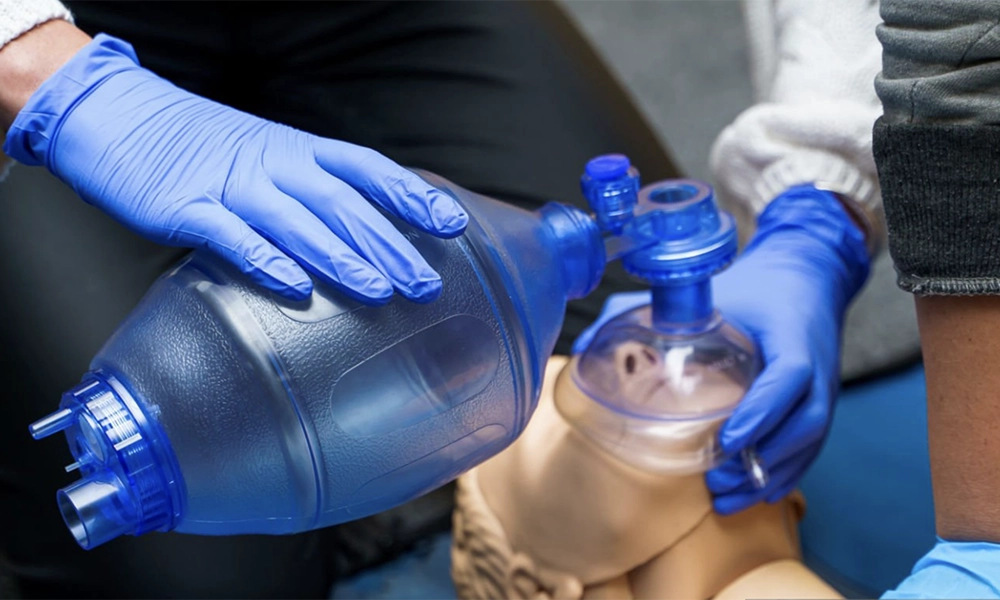
Regular refresher courses provide structured opportunities to physically practise these life-saving skills, reinforcing muscle memory and rebuilding confidence. The hands-on nature of these courses ensures that techniques remain sharp and readily accessible during high-pressure situations.
- Medical Guidelines and Best Practices Evolve
The medical field advances continuously, with research regularly producing new insights into the most effective emergency treatment methods. First aid guidelines are updated periodically to reflect this evolving understanding, meaning that techniques learnt even five years ago may now be outdated or superseded by more effective approaches.
The International Liaison Committee on Resuscitation (ILCOR) and organisations like the Resuscitation Council UK regularly review and update their guidelines based on the latest scientific evidence. For example, recent years have seen changes to compression rates during CPR, modifications to the recovery position, updated guidance on treating anaphylaxis, and new protocols for managing head injuries and suspected spinal damage.
Consider the significant shift in approach to choking management over the past decade. Earlier guidance emphasised back blows and abdominal thrusts in equal measure, whilst contemporary protocols now provide clearer sequencing and have introduced important modifications for treating infants and pregnant women. Similarly, the approach to treating burns has evolved, with updates to cooling times and clearer guidance on what not to apply to burn injuries.
Without attending refresher courses, first aiders remain unaware of these crucial updates. They may continue using techniques that are no longer recommended or miss opportunities to employ more effective interventions. In some cases, outdated practices may actually increase risk to the casualty. Refresher courses ensure that your knowledge aligns with current best practice, giving casualties the best possible chance of positive outcomes.
- Legal and Professional Requirements
For many professionals, maintaining current first aid certification isn’t merely advisable—it’s a legal requirement. Workplace health and safety legislation across the UK mandates that employers ensure adequate first aid provision, which includes having appropriately trained personnel whose qualifications remain current.
The Health and Safety Executive (HSE) specifies that first aid certificates are typically valid for three years, but strongly recommends annual refresher training to maintain competency. Many organisations and sectors have adopted stricter internal policies, requiring two-yearly refreshers to ensure their first aiders maintain optimal capability.
For individuals working in education, childcare, healthcare, hospitality, construction, and numerous other sectors, letting first aid qualifications lapse can have serious professional consequences. It may result in being unable to fulfil designated first aid responsibilities, potentially affecting employment status or insurance coverage. More critically, if an incident occurs and you provide first aid using outdated or incorrectly remembered techniques, questions may arise regarding your competency and whether you exercised appropriate duty of care.
Beyond formal requirements, there’s an ethical dimension to maintaining current skills. If you’ve accepted responsibility as a designated first aider—whether formally or informally—you owe it to those who depend on you to ensure your knowledge and abilities remain genuinely useful rather than dangerously outdated.
- Building and Maintaining Confidence
Knowledge alone isn’t sufficient during emergencies; confidence to act decisively is equally crucial. Many people who’ve completed first aid training report that their greatest barrier to intervening in real situations isn’t lack of knowledge but fear of doing something wrong or causing harm.
This hesitation is natural and often intensifies as time passes since training. The longer the gap since your last course, the less confident you feel about your abilities, creating a vicious cycle where uncertainty prevents action. In genuine emergencies, these precious seconds of hesitation can prove fatal.
Regular refresher courses systematically rebuild confidence through repeated exposure to scenarios and hands-on practice. Each course reinforces the message that taking action—even imperfect action—is almost always better than standing by helplessly. Instructors address common fears, clarify myths about liability, and provide reassurance about Good Samaritan protections that exist in UK law.
Moreover, refresher courses often incorporate realistic scenario-based training that simulates the stress and unpredictability of actual emergencies. This exposure helps develop the psychological resilience needed to override natural panic responses and apply your training when it matters most. The confidence gained through regular refreshers translates directly into increased willingness to intervene, potentially saving lives that might otherwise be lost to bystander hesitation.
- Exposure to New Scenarios and Equipment
First aid encompasses an enormous range of potential situations, and no single course can comprehensively cover every scenario you might encounter. Refresher courses provide valuable opportunities to explore different types of emergencies, expand your knowledge base, and familiarise yourself with new equipment and technologies.
Automated External Defibrillators (AEDs) represent a perfect example. These devices have become increasingly prevalent in public spaces, workplaces, and community settings. Whilst modern AEDs are designed to be intuitive, regular exposure during training courses ensures you can confidently locate, activate, and apply them without hesitation. Updates to AED technology and protocols occur regularly, making repeated familiarisation essential.
Similarly, refresher courses often address emerging first aid challenges such as providing first aid near a fire according to Certafire. Recent courses increasingly incorporate guidance on managing mental health crises, recognising and responding to terrorism-related injuries, dealing with complications from recreational drug use, and adapting techniques for an ageing population. These contemporary additions reflect the changing nature of emergencies in modern society.
Each refresher course also provides opportunities to ask questions about specific scenarios you’ve wondered about, clarify uncertainties that have arisen since your last training, and benefit from instructors’ experiences and insights. This interactive element ensures your first aid knowledge remains relevant to your particular circumstances and environment.
- The Ripple Effect of Regular Training
When you commit to regular first aid refresher courses, the benefits extend far beyond your own capabilities. You become part of a broader culture of safety and preparedness that influences those around you.
In workplaces, employees who observe colleagues maintaining current first aid qualifications often feel inspired to undertake training themselves. Parents who refresh their skills frequently discuss first aid with other parents, raising awareness and encouraging wider participation. This ripple effect gradually builds more resilient communities where help is more readily available during emergencies.
Furthermore, individuals who regularly refresh their training often become informal advocates for first aid awareness. They’re more likely to identify potential hazards, encourage others to seek training, and foster environments where safety is prioritised. This cultural shift, multiplied across many individuals and organisations, contributes meaningfully to reduced injury severity and improved emergency outcomes across society.
- Conclusion
Completing a first aid refresher course every two years represents a small investment of time that yields enormous potential benefits. It combats the natural deterioration of skills, ensures your knowledge reflects current medical best practices, fulfils professional and legal obligations, builds essential confidence, exposes you to new scenarios and equipment, and contributes to a broader culture of safety.
The question isn’t whether you can afford the time to refresh your first aid training—it’s whether you can afford not to. When emergencies occur, they don’t announce themselves in advance or wait for convenient moments. They demand immediate, confident, and correct responses from whoever happens to be present. By committing to regular refresher courses, you ensure that when that moment arrives, you’ll be truly prepared to make a difference that could save a life.