Why Your Hotel Website Is Not Converting Visitors Into Bookings
Your hotel website may be attracting visitors every day, but that does not always mean those visitors are turning into paying guests. Today’s travelers…
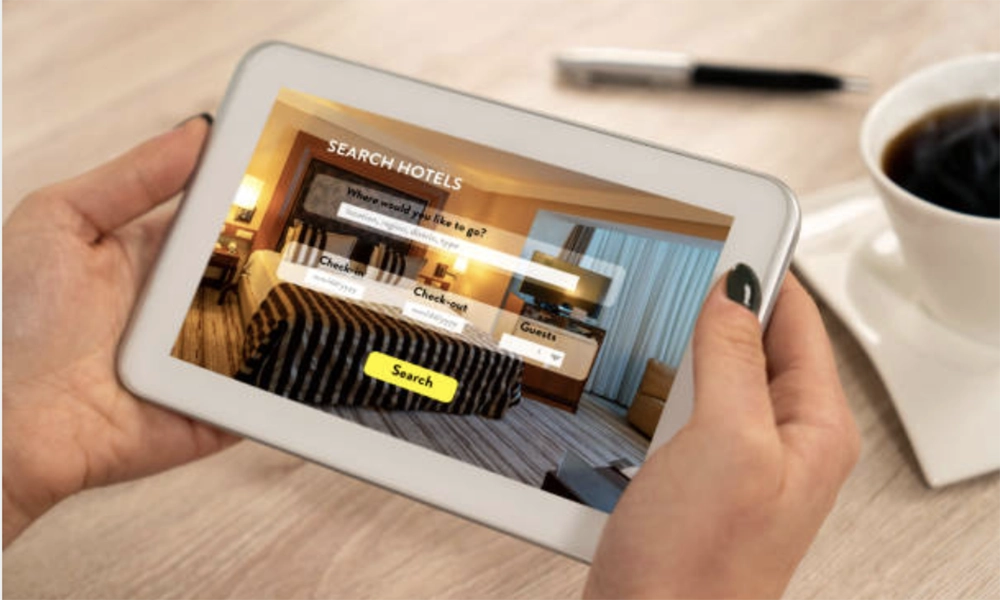
Your hotel website may be attracting visitors every day, but that does not always mean those visitors are turning into paying guests. Today’s travelers expect more than just basic information. They want a smooth, fast, and trustworthy booking experience from the very first click. If your website is slow, difficult to use, or missing clear details, potential guests may leave before completing a booking. This is especially important now, as more travelers are choosing to book directly with hotels instead of using third-party platforms.
According to SiteMinder, 37 percent of U.S. travelers plan to book their 2025 stays directly, either through a hotel’s website or by contacting the property directly. That means your website is no longer just an online presence. It is one of your most powerful tools for increasing bookings and building guest trust.
Understanding Hotel Website Conversion Rates And Why They Hit Hard
Your hotel website conversion rate tells you how many site visitors actually complete a booking relative to total traffic. That's different from your booking engine conversion rate, which only measures completions once someone has already entered the reservation flow. Both numbers matter. And both can quietly mask very different problems underneath.
What the Benchmarks Actually Tell You
Independent hotels typically convert somewhere between 1% and 3% of visitors into direct bookings. Branded properties tend to perform slightly better in loyalty recognition, and brand trust does real work. If you're sitting below 1%, you don't have a traffic problem. You have a conversion problem hiding in plain sight.
Building a Website Experience That Converts Lookers Into Bookers
Most hotel websites are built around what the property wants to showcase, not what a guest needs to know before committing. That's a quiet but consequential mismatch, and it shows up directly in bounce rates and abandoned booking engines.
Stop Acting Like an Online Brochure
A gallery of beautiful photos won't answer "Is this the right fit for my family trip?" or "What actually makes you better than the hotel two blocks away?" Guests need answers quickly. A site that functions like a knowledgeable front desk, not a printed leaflet, closes that gap efficiently and keeps people moving forward.
On the question of why visually stunning sites often fail to deliver strong booking results, hospitality marketing professionals, including the team at Hawthorn Creative, consistently identify this disconnect as the single biggest driver of poor direct booking performance.
Design for Who's Actually Visiting
A business traveler and a couple planning an anniversary weekend don't want the same page experience. Segment-specific landing paths, each one answering the pain points relevant to that type of guest, consistently outperform generic homepages. Think "ideal for remote work" callouts or family-package blocks placed exactly where those visitors are already looking.
The Core Reasons Guests Leave Without Booking
Most hotel website conversion problems cluster into six buckets: UX, technical performance, messaging clarity, trust signals, pricing transparency, and traffic quality. Rarely is it just one culprit; usually, it's a combination that compounds quietly over months.
Impact vs. Effort: Where to Start
Not every fix carries equal weight. Broken CTAs and slow load times are high-impact, low-effort wins you can tackle this week. A full redesign takes months. Smart hotel teams fix what hurts most first, then build from there, rather than waiting for a perfect overhaul that may never arrive.
With your conversion problems identified and ranked, the most impactful first move is rethinking how guests actually experience your site from the moment they arrive.
Where Your Booking Funnel Leaks And How to Fix Each Stage
Even well-designed sites lose bookings at predictable moments. Knowing where the leaks are is the first step toward actually sealing them.
The Gap Between Landing and Exploring
Mismatched intent between your ad and your landing page kills momentum fast. If someone clicks a "pet-friendly hotel" ad and lands on your generic homepage, they're already halfway out the door. A clear hero message, one dominant CTA, and scannable benefits above the fold keep visitors oriented and moving forward instead of bouncing.
Friction Inside the Booking Engine
Slow calendars, surprise resort fees, and vague rate descriptions create hesitation at exactly the wrong moment. SiteMinder's data shows direct bookings averaged $519 per booking in 2024 versus $320 via OTAs, which means friction inside your booking engine isn't just annoying; it's genuinely costly. Transparent pricing, fewer steps, and reassurance copy at checkout protect that higher booking value.
UX Mistakes That Quietly Erode Your Conversion Rate
UX problems are sneaky. Guests don't email to say, "Your navigation confused me." They just leave and book somewhere else.
What Kills First Impressions Above the Fold
Autoplay video, oversized hero sliders, and missing CTAs on mobile push people toward the back button before they've absorbed a single word. Mobile viewport issues, alone buttons too small, menus collapsed into confusing icons, can quietly cost you a meaningful share of smartphone bookings every single month.
On-Page Content That Fails Guests at the Decision Point
Walls of text without scannable structure, no room comparison tools, and zero segment-specific labeling force guests to do work your site should already be handling. Comparison tables, checklist-style amenity highlights, and "best for…" badges all shorten the path from "I'm considering" to "I'm booking."
Questions Hotel Teams Ask Most About Conversion
- Why does my site get traffic but no direct bookings when OTAs still convert?
OTAs have years of conversion engineering invested in their platforms. Your site likely has slow load times, weak CTAs, or unclear value that erodes guest confidence before checkout even begins. - What's a realistic conversion benchmark for an independent hotel?
Target 1.5–3%. Below 1% signals a meaningful problem worth diagnosing across UX, messaging, and booking engine performance immediately. - Which matters more, more traffic or a better conversion rate?
More traffic in a broken funnel just amplifies waste. Fix conversion first, then scale traffic once the booking path actually works.
Final Thoughts on Hotel Website Conversion
Hotel website conversion problems are rarely mysterious once you know where to look. The funnel leaks are predictable, mismatched messaging, UX friction, trust gaps, and pricing opacity. Fixing them doesn't always demand a complete rebuild.
It demands honest diagnosis and disciplined follow-through. The guests who want to book direct are already searching for you. A faster, clearer, more guest-centered site turns that existing intent into confirmed reservations and keeps commission costs exactly where they belong: low.