Arriving in the city during Rebalance Bath, the annual festival of wellbeing that draws practitioners, therapists and seekers from across the country, it felt as though the ancient spa town was doing what it has always done best: inviting people to pause, to soak, to reflect, and to recalibrate. Even in pouring rain, with honey-coloured stone glistening under low clouds, Bath carries a sense of quiet reverence. This is a city built around water, ritual and rest. Two thousand years before wellness became an industry, people were already travelling here to heal.
A City Built on Water
Long before Bath became synonymous with Georgian elegance and Jane Austen promenades, it was known for its hot springs. The Celts believed the naturally warm waters were sacred, dedicated to the goddess Sulis. When the Romans arrived in the first century AD, they did what Romans did best: they built temples, bathhouses and a sophisticated spa complex around the springs, transforming Bath, or Aquae Sulis, as they named it, into one of the most important bathing centres in Roman Britain.
Bathing in Roman times was never just about cleanliness. The baths were social spaces, places for ritual, conversation and healing. The sequence of hot, warm and cold pools followed principles that modern wellness culture is now rediscovering: contrast therapy, hydrotherapy, circulation and nervous system regulation. Hot water to relax muscles and open pores. Cold plunges to invigorate, stimulate circulation and strengthen resilience. Steam rooms to detoxify and clear the respiratory system. The architecture may have changed over centuries, but the underlying philosophy remains remarkably consistent.
Today, the Roman Baths sit at the heart of the city, beautifully preserved and endlessly atmospheric. Walking through the steaming Great Bath, with its columns and mineral-rich waters glowing an otherworldly green, you are reminded that wellness is not a trend. It is a lineage.
The Modern Return to Thermal Ritual
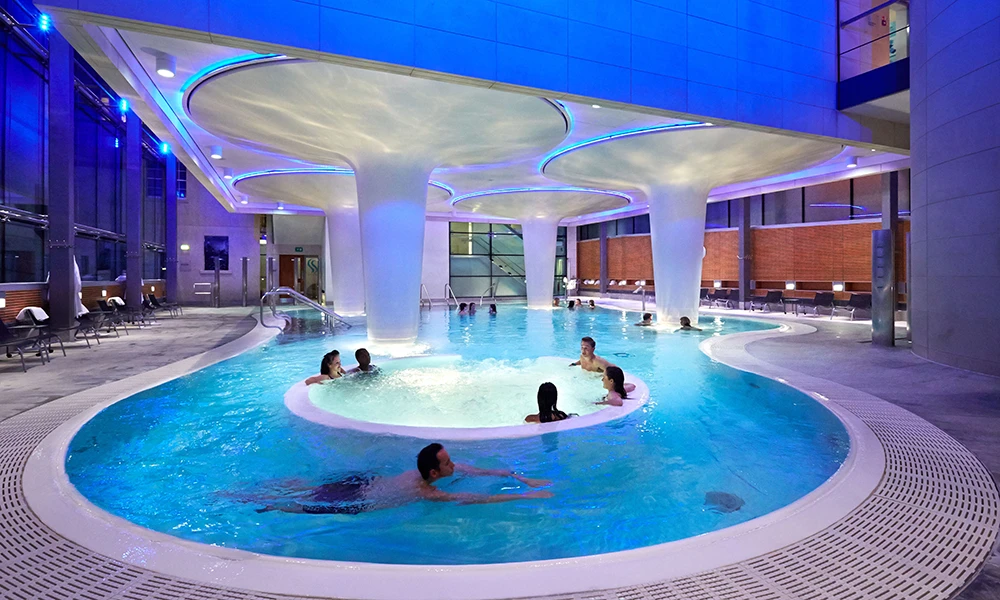
The continuity of this bathing culture reaches its contemporary expression at Thermae Bath Spa, Britain’s only natural thermal spa where you can still bathe in the original mineral-rich waters. Celebrating its 20th anniversary this year, Thermae represents a modern bridge between ancient tradition and contemporary spa culture. I visited the spa two decades ago when the magazine first launched for its opening, but this was my first time actually bathing in the waters, a full-circle moment of sorts.
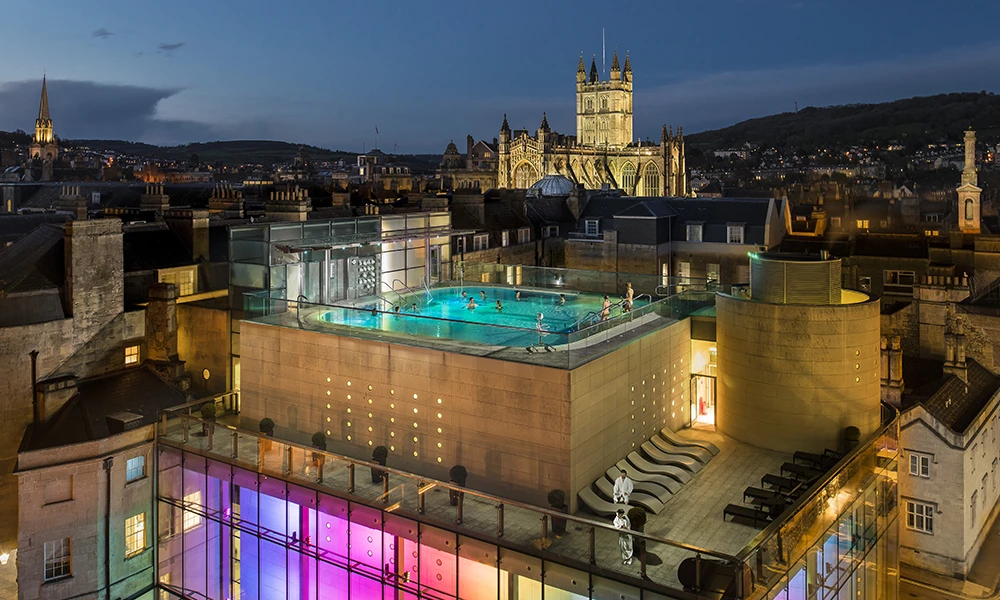
Floating in the rooftop pool, warm mineral water cradling the body as steam curled into the grey Bath skyline, it was impossible not to feel connected to the countless people who had come here before, seeking restoration. Hot and cold water therapy has moved from ancient bathhouses to modern biohacking circles, but the experience itself remains profoundly human. There is something deeply regulating about submerging the body in warmth, then allowing the nervous system to soften into stillness. It is both sensory and ceremonial, grounding and expansive at the same time.
Phones are put away and returned to lockers. The pace slows. The body remembers how to rest while you enjoy the saunas, steam rooms and pools.
A Festival of Rebalance
Rebalance Bath, the city’s annual festival of wellbeing, provided the perfect contemporary backdrop to this ancient spa culture. While full details of the programme unfold across multiple venues, the festival’s ethos aligns beautifully with Bath’s heritage: nervous system regulation, rest, reconnection and sustainable wellbeing.
Even between scheduled experiences, the city itself becomes part of the therapy. Bath is wonderfully walkable. Its scale is human, its pace unhurried. The gentle rhythm of wandering between crescents, courtyards and cobbled lanes feels restorative in itself. There is something deeply regulating about a city that invites you to move slowly.
Rituals of Nourishment
Wellness travel is not only about spas and treatments; it is about how a place nourishes you at every level. One of the joys of Bath is its quietly excellent food scene, which blends heritage with contemporary creativity.
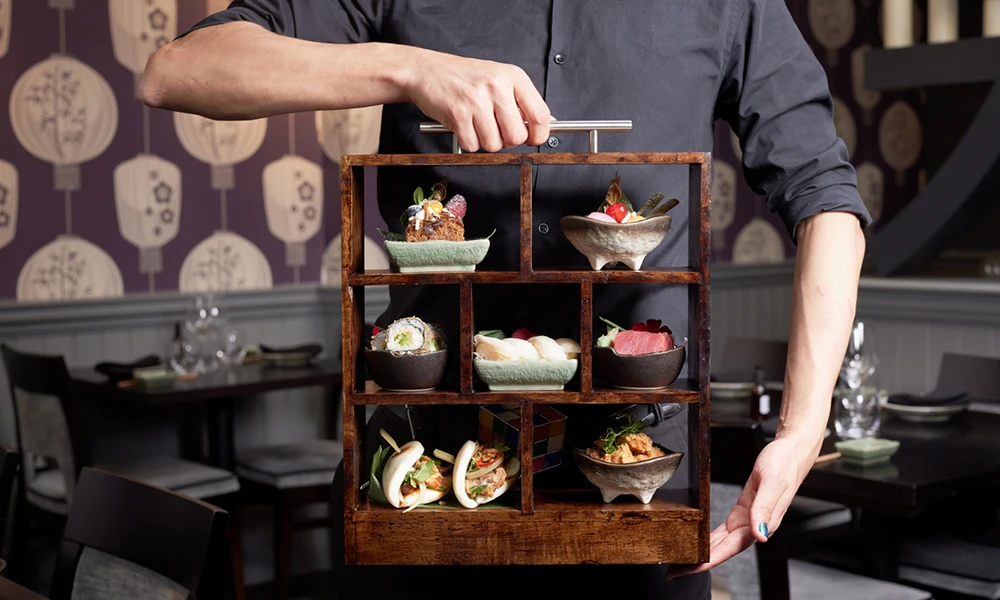
Afternoon tea at Robun offered a playful and unexpected twist on a British institution. Rooted in Japanese culinary tradition and influenced by the UK’s modern Japanese dining culture, this was an afternoon tea that felt refreshingly light and elegant. Bao buns, vegetable tempura, sashimi and delicate Japanese desserts replaced the usual scones and finger sandwiches. It was a reminder that nourishment can be both ritual and reinvention.
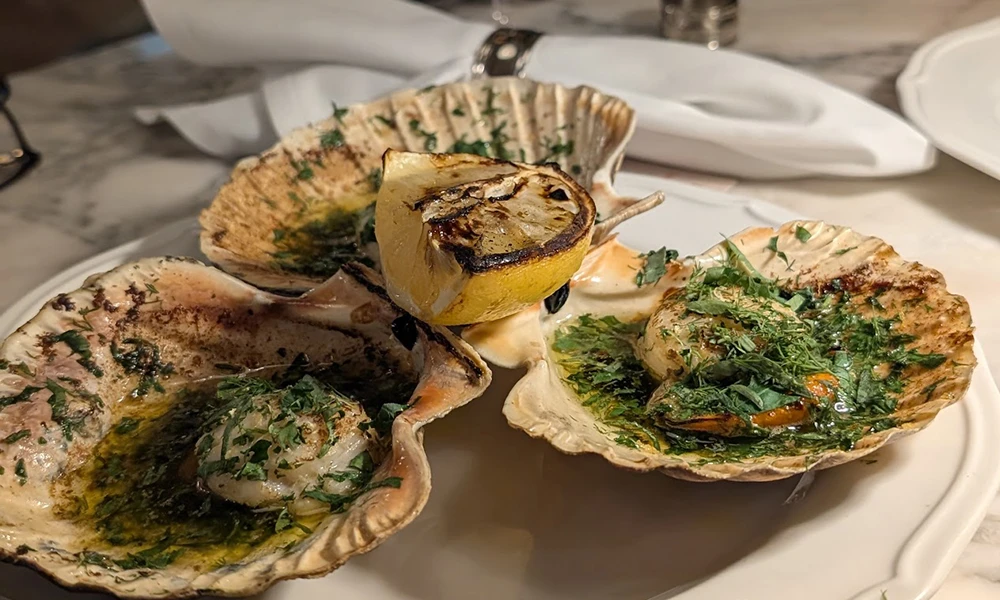
Later that evening, dinner at Emberwood delivered comfort and refinement in equal measure. Perfectly cooked scallops and lamb, warm lighting, and a relaxed yet elegant atmosphere made it ideal for both intimate conversations and romantic weekend escapes. Wellness, after all, includes pleasure. It includes being fully present with what you are eating, who you are with, and how a space makes you feel.
Skincare as Self-Connection
Tucked away in Shires Yard – a little enclave of independent restaurants, boutiques and a yoga studio – Bramley’s only standalone store offered a quieter kind of wellbeing ritual. A drop-in skin consultation became an unexpectedly grounding pause in the day. As winter gives way to spring, our skin often mirrors the nervous system: depleted, in need of nourishment, ready for renewal.
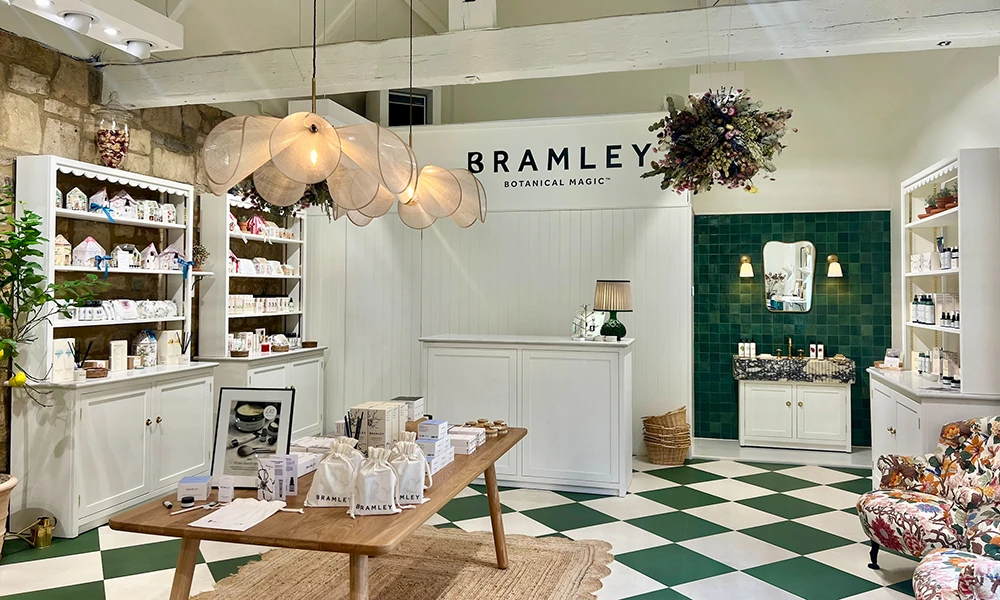
A gentle hand massage, thoughtful guidance around ingredients, and a simple seasonal skincare routine felt less like retail and more like care. Kombucha serum, primrose cream, products that smelled of fields and hedgerows rather than laboratories. It was a reminder that self-care does not have to be elaborate to be effective. Sometimes it is simply about being guided back into relationship with your own body.
Sound, Stillness and the Nervous System
The evening sound bath and guided meditation at The Soul Spa offered another layer of restoration. Tucked just along from Thermae Spa, this intimate space created a cocoon of calm away from the bustle of the city. Sound therapy has ancient roots across many cultures, using vibration to soothe the nervous system and bring the body into coherence.
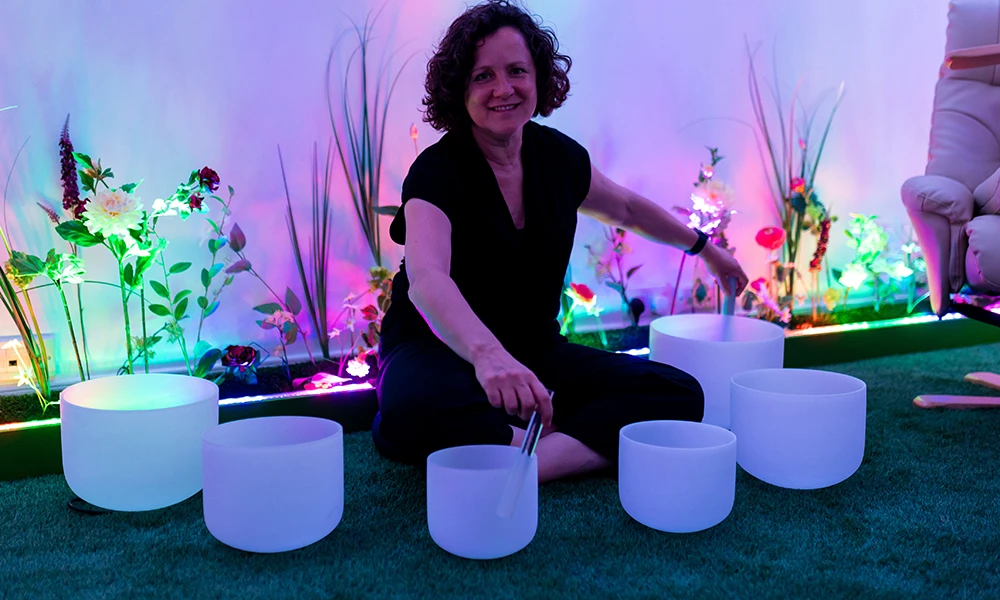
Lying back as bowls, tones and frequencies washed through the space, the day’s sensory input gently unwound. The body does not distinguish between emotional, sensory and physical stress. It simply knows when it is safe enough to soften. Sound, like water, becomes a medium for release.
Metabolic Health and Modern Wellness
For lunch the following day, the setting shifted to Combe Grove, a metabolic health centre overlooking the rolling Somerset countryside. Here, wellness is approached through the lens of metabolic resilience, nutrition and sustainable lifestyle change. It was a timely reminder that while spas soothe the nervous system, long-term wellbeing is built through daily practices: how we eat, how we move, how we recover.
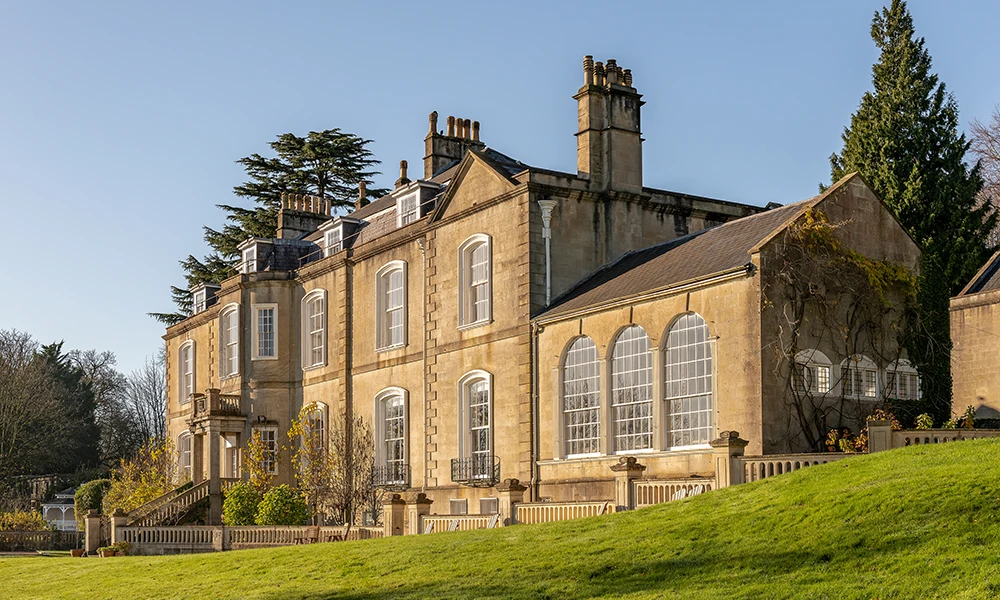
Bath’s strength as a wellness destination lies in this spectrum. You can arrive for a spa break and leave with a deeper understanding of your health. The city offers both immediate restoration and long-term education.
Stories in Stone
No visit to Bath is complete without stepping into its layers of history. The Roman Pump Rooms, the Abbey, the Georgian crescents – these are not just tourist sites, but architectural expressions of how people have gathered, healed and sought beauty across centuries. The Jane Austen Centre adds a lighter narrative layer, reminding visitors of the social rituals, courtships and quiet dramas that once unfolded along these very streets.
More recently, Bath has found a new audience through the global success of Bridgerton. Its honeyed facades and sweeping crescents have become shorthand for Regency romance on screen. Yet beyond the glamour, the city retains an authenticity that is not curated for cameras. It is lived-in, layered, quietly alive.
A Night at The Queensberry
Staying at The Queensberry Hotel offered a deeply personal sense of Bath’s hospitality heritage. Housed across four Georgian townhouses originally commissioned by the 8th Marquess of Queensberry, the hotel feels less like a generic luxury property and more like a beautifully curated private home. The Four Poster Suite, with its enormous bed, freestanding bath and views over Russell Square, was a sanctuary from the rain-soaked streets outside.
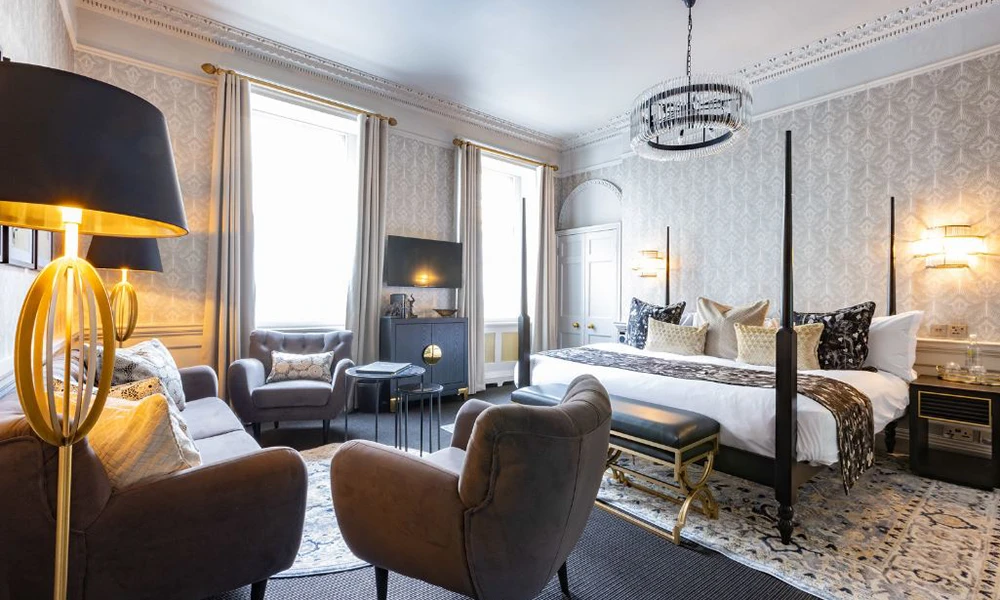
There is something profoundly comforting about returning to a warm, thoughtfully designed space after a day of sensory exploration. Sitting rooms invite lingering, while the walled courtyard garden offers a pocket of stillness in the heart of the city. The Olive Tree restaurant below, Bath’s only Michelin-starred dining room, anchors the hotel in culinary excellence, while the overall atmosphere remains relaxed and welcoming rather than formal.
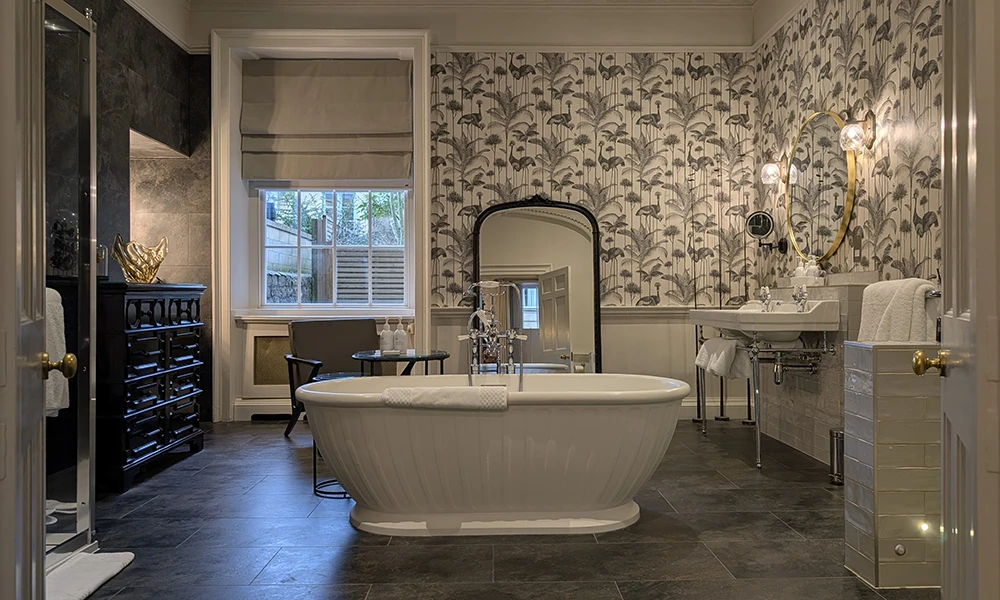
The spirit of doing things differently, inherited from the rebellious lineage of the Queensberry name, feels quietly woven into the hotel’s ethos. It is a place that honours tradition without being trapped by it, much like Bath itself.
Why Bath Works as a Wellness Break
Bath works so beautifully as a UK wellness break because it does not isolate wellbeing into one building or experience. The city itself is the treatment. Its scale encourages walking. Its architecture invites awe. Its waters remind the body how to soften. Its food culture nourishes. Its history places your personal stressors into a much larger perspective.
Even out of season, in heavy rain, Bath remains compelling. The weather becomes part of the ritual: moving from cold streets into warm water, from grey skies into candlelit rooms. Contrast therapy in its most poetic form.
Bath also makes an ideal base for exploring the surrounding countryside, yet you do not need to leave the city to feel restored. Everything is within reach. Cars can be parked and forgotten. The rhythm is slow enough to breathe with.
The Long View of Wellbeing
What Bath ultimately offers is not escapism, but continuity. From Celtic springs to Roman bathhouses, from Georgian promenades to rooftop pools, the city has always been a place where people come to tend to their bodies, their minds and their sense of belonging. Modern wellness culture may dress these rituals in new language, nervous system regulation, contrast therapy, metabolic health, but the essence remains ancient.
As I left Bath, I felt less like I had taken a short break and more like I had stepped briefly into a longer lineage of care. A reminder that wellbeing is not something we invent, but something we remember.
DISCOVER BATH: VisitBath.co.uk
DISCOVER: Spabreaks in Bath
- About the Author
- Latest Posts

Rachel Branson is the Founder of Haywood Media and Editor-in-Chief of Wellbeing Magazine, where she has spent more than twenty years exploring the relationship between health, wellbeing and the environments in which we live. Her passion for housing began growing up in her family’s estate agency, where her grandfather, father and uncles worked as a Chartered Surveyor specialising in commercial, residential property and new homes. She later became Head of Communications for a social housing provider, working closely with communities and new developments. Bringing together experience across property, housing, communications and wellbeing, Rachel is developing a new body of work focused on how homes and neighbourhoods can be designed to support healthier, happier lives through every stage of life.