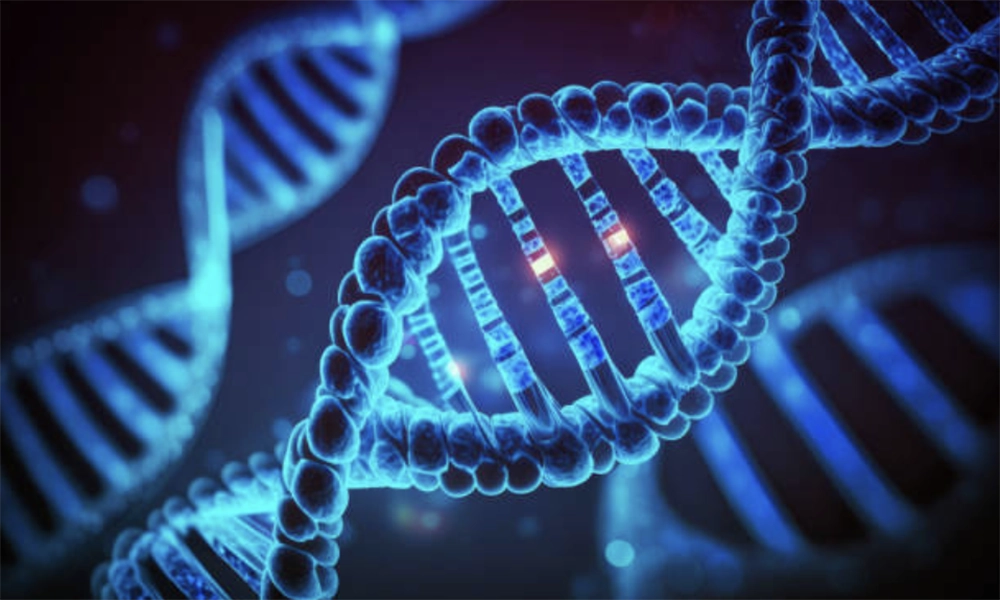
There is a quiet intelligence embedded in your DNA, shaping everyday experiences in ways most people rarely stop to consider. The smallest genetic details influence how your body responds to sunlight, processes food, and manages energy throughout the day, often without drawing attention to themselves. These are not dramatic transformations, but subtle patterns that quietly guide daily comfort, preferences, and reactions. This article breaks down what DNA traits can truly reveal, how to interpret them clearly, and how they connect with real-life habits, personal experiences, and family patterns in meaningful ways.
The quiet signals hidden in your DNA traits
There is a strange truth about DNA traits that often goes unnoticed. The smallest details inside the body can explain some of the most familiar parts of daily life. Not the big, dramatic changes people expect, but the quiet patterns that shape how skin reacts, how food tastes, or how energy rises and falls through the day. These signals are subtle, almost easy to ignore, yet they carry meaning. When explored through tools like MyHeritage DNA, those quiet signals begin to form a clearer picture. They stop being random quirks and start feeling like pieces of a story that has been there all along.
This guide takes a different path to understanding that story. Instead of overwhelming details, the focus stays on what actually matters in real life. It covers what DNA traits can reveal, how those insights connect with everyday habits, and why some results feel accurate while others may seem off at first. There is also a clear look at how to read these traits without jumping to quick conclusions. That part matters more than most expect. A trait report is not a fixed label or a final answer. It is a set of clues, and clues only work when they are read with care and context.
There is also something else worth noting. DNA traits do not exist in isolation. They connect with family patterns, lifestyle choices, and even small habits built over time. That is why this guide brings everything together in one place. The goal is not just to understand what appears in a report, but to see how those details fit into a bigger, more useful picture. By the end, the information stops feeling scattered. It becomes something practical, something that can actually guide better awareness and smarter choices without adding confusion.
Why these small clues matter
DNA traits matter because they give shape to the things we often notice but cannot explain. Maybe your hair is always dry. Maybe your skin burns fast in the sun. Maybe coffee keeps you awake far longer than it should. These are the kinds of everyday clues that make people look twice at their results. The report may not give a full answer for every detail, but it can point you in a helpful direction. That alone can make it worth reading carefully.
The best part is that small clues often lead to better questions. You may start thinking about foods that never sat well with you. You may notice why certain scents seem stronger. You may even see why your family shares the same look or habit. These are not huge life changes on their own. But they do matter. They help us understand what is likely, what is possible, and what may be worth watching. In that way, DNA traits act like a light, not a verdict. They shine on a part of the picture, then leave space for the rest.
What your body traits can reveal
Some DNA traits are easy to spot. Eye color, hair shape, and skin tone often come to mind first. Others sit under the surface. These can include taste response, caffeine sensitivity, lactose intolerance, or how your body may handle the sun. You may not see these things in a mirror, but you may feel them in daily life. That is what makes trait reports useful. They can explain little things that used to seem random.
There is also a practical side here. A trait report may help you make small changes that fit your body better. If you learn that you may be more sensitive to sunlight, you may think twice before long outdoor exposure. If your report hints at lactose trouble, you may start paying closer attention after dairy. If you see a strong taste pattern, you may finally understand why some foods seem too bitter or too sweet. None of this means the report controls your life. It simply gives you a place to start. And honestly, starting with a clue is better than guessing in the dark.
Where expectations and reality sometimes differ
Not every DNA trait will match what you see in daily life. This is where many people feel confused at first. A report might suggest a higher chance of a certain trait, yet your experience may say otherwise. This does not mean the result is wrong. It often means that other factors, such as environment, diet, or habits, are playing a strong role. According to MedlinePlus Genetics, genes are the fundamental units of heredity, made of DNA, and humans have about 19,900 protein-coding genes that guide how the body functions. Each person typically carries two copies of every gene, one from each parent, yet less than 1 percent of genes vary slightly, creating unique traits through differences known as alleles. Genes can range from a few hundred to over 2 million DNA base pairs, and not all genes directly code for proteins; many regulate how other genes function. This shows that while genes influence traits, their effects often depend on interactions with other genes and environmental and lifestyle factors.
Multiple genes, not just one, influence some traits. Others are shaped over time by lifestyle choices. That is why a mismatch is not a failure. It is a reminder that DNA is only one part of a much bigger system. When you see results this way, the confusion starts to fade, and the report becomes easier to understand.
How to read the results with care
Reading DNA traits well means keeping your feet on the ground. A result may say you are likely to have a certain trait. That does not mean it must happen. It means the chance may be higher than average. This is a key point, because many people read trait reports like hard facts. They are not hard facts in every case. They are hints, trends, and likely patterns. Treating them that way keeps the report useful instead of confusing.
A smart reading habit is simple. First, look for traits that match what you already know. Then check the traits that surprise you. After that, compare them with your own habits and family notes. You may notice that a few results line up very well. You may also find a few that do not fit cleanly. That is fine. DNA is not a neat little box with one answer inside. It is more like a mixed set of signals, with some stronger than others. When you read it slowly, the message becomes clearer. When you rush it, the report turns into noise. Insights from the Centers for Disease Control and Prevention, genes influence nearly every human trait and disease, but outcomes depend on complex interactions with environmental exposures and personal behaviors. Humans have 46 chromosomes in 23 pairs and inherit two copies of each gene, yet gene expression can vary across cells and change over time due to factors like diet, exercise, and aging. Epigenetic processes, such as DNA methylation, can switch genes on or off without altering the DNA sequence, thereby directly affecting how much protein is produced. This means genetic results should be interpreted carefully, as real-world traits and health outcomes reflect both inherited biology and lifestyle influences.
Why family history still matters
Family history helps explain DNA traits in a real way. A result feels stronger when it matches known patterns. Maybe your family shares the same hair type or food habits. These links make the report more useful. They add context that raw data cannot show.
Shared physical traits
Families often pass down visible features. Hair texture, eye color, and skin tone are common examples. Seeing these matches your report builds trust in the results.
Food and taste patterns
Taste habits often run in families. Some avoid bitter foods, while others enjoy strong flavors. These patterns may connect directly with your DNA traits.
Health tendencies
Some families share certain health patterns. These do not guarantee outcomes but offer useful hints. A trait report can highlight these links.
Lifestyle influence
Not all traits are determined solely by genes. Daily habits also shape outcomes. Family routines can affect how traits appear in real life.
Family context helps avoid confusion. It shows which traits are strong and which may be less clear. Without it, results can feel too simple. With it, they become more accurate and easier to trust.
What to do next
The best next step is not to stare at every line in your report for hours. The best step is to focus on what matters in daily life. Look for traits that may affect food, skin, sun, taste, or sleep. Then ask a few plain questions. Does this fit what I already know? Does it explain a pattern I have seen before? Is there a small change I should try? That simple approach keeps the whole process useful and low-stress.
We should also remember that DNA traits are only one part of the picture. They are helpful, but they are not the whole story. Your habits, home life, and family history still matter a lot. So read the results with care, share the useful parts with your family if needed, and keep the rest in perspective. If a trait stands out, use it as a prompt for better choices, not panic. That is the real value here. We learn, we compare, and we move forward with more clarity. Start with the clues, keep the good ones, and let the rest stay in the background.
- About the Author
- Latest Posts

Our Editorial Team are writers and experts in their field. Their views and opinions may not always be the views of Wellbeing Magazine. If you are under the direction of medical supervision please speak to your doctor or therapist before following the advice and recommendations in these articles.