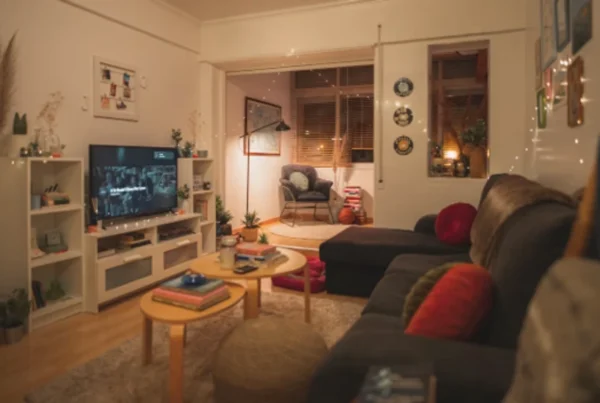
Floors are the one surface in a home that never gets a break. Every room, every day, underfoot constantly. Most buying decisions come down to colour and price. Neither predicts how a floor performs in February, how the body feels after a full day on it, or how the room sounds when a household moves through it. Those things only become clear later.
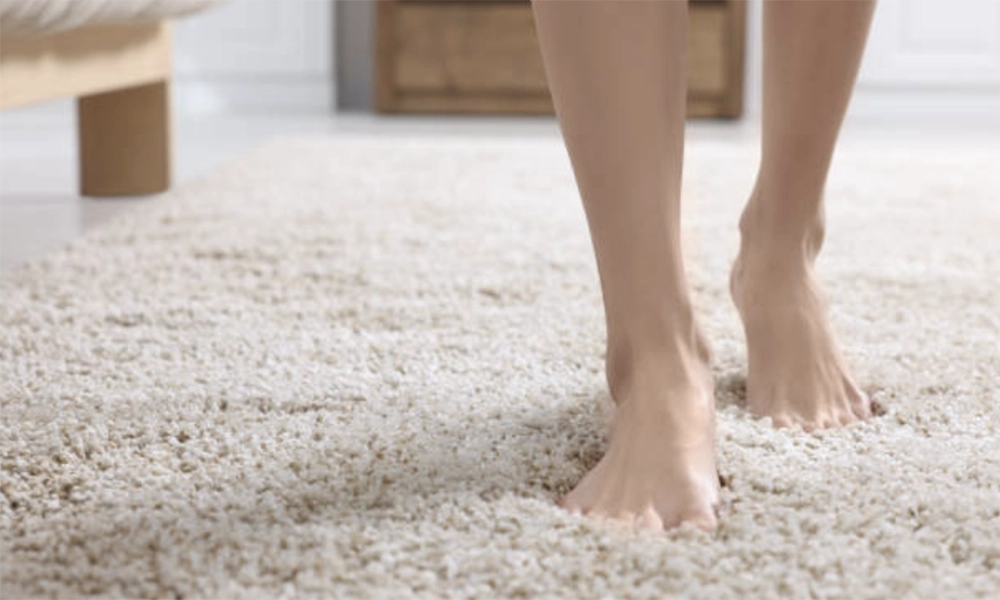
Texture, warmth, acoustics. A room that gets these right feels easier to be in. One that gets them wrong creates a kind of low-level friction that nobody attributes directly to the floor but that most people would notice if it changed.
How Underfoot Surfaces Affect Posture and Joint Health
A hard floor gives very little back. Step after step, the body absorbs more of the impact through the ankle, knee and hip. One trip to the kitchen: irrelevant. Repeated across a full day at home, that load accumulates in ways the body registers as fatigue and stiffness before the mind identifies why.
Softer surfaces take on part of that impact before it reaches the joints. Fatigue can arrive later. The legs may feel less worked by mid-afternoon. Walking pattern shifts too. Hard floors push the body into shorter, more guarded movement with each step. Softer ones allow a more natural stride without as much compensation built in.
Ordinary daily movement through a home can add to joint stress when the floor offers no give in return. Not sport. Not deliberate exercise. Just living. People managing arthritis or recovering from injury tend to feel this distinction between surfaces well before they articulate why.
The Link Between Flooring Materials and Indoor Air Quality
Some synthetic flooring materials can off-gas after installation. Emission peaks early and reduces over time, but lower-level release continues for longer than most product descriptions acknowledge. For households where respiratory sensitivities are already part of daily life, material choice becomes one more variable worth noticing.
Wool absorbs and releases atmospheric moisture rather than trapping it. Rooms with wool carpet may feel less stale across the day, particularly in winter when ventilation drops. Dust mites favour damp, warm conditions. Tighter pile constructions also trap dust particles between vacuum sessions rather than kicking them back into the air whenever someone walks past.
For homeowners weighing up wool and wool-mix options, Causeway Carpets sits naturally in this conversation because the material choice affects more than appearance. Air movement, warmth, softness underfoot, and the way a room feels day after day all come into it.
Thermal Comfort and Energy Regulation Underfoot
Stone, tile, laminate. Contact with any of them pulls warmth from the feet immediately. The thermostat reading stays the same. The body doesn’t. First thing in the morning, bare feet register the gap before anything else does. In the colder months that contrast sharpens considerably.
Wool and wool-mix carpets don’t conduct heat the way hard surfaces do. Warmth stays in the foot rather than dispersing into the floor on contact. Add a quality underlay and heat loss through the floor structure slows further. Rooms can hold their temperature for longer without the heating compensating as often. For anyone spending a full day at home without shoes, that distinction between surface types becomes obvious well before winter is out.
Floors that hold warmth shift small habits without requiring any deliberate adjustment. Less reaching for an extra layer. Less reluctance to move around. Less of the persistent low-level tension that cold underfoot generates throughout a day. Small effects. Real ones.
Evaluating Flooring Options for Lasting Comfort
Colour and initial cost are what most buyers compare first. A floor chosen purely on those two factors can look right on day one and feel like a mistake by year two. How well a surface cushions, what it’s made from, how much upkeep it needs, and how long it holds its properties under sustained daily use all determine whether the decision still feels sound years later.
Seeing and feeling materials in person changes the decision. Photographs handle colour reasonably well and communicate nothing else. How something feels underfoot at six in the morning in January, how it sounds when a full household moves through it, how it ages in the room where it actually lives. None of that comes through on a screen. A showroom visit makes that comparison possible.
Professional installation determines how much of a material’s performance the homeowner actually gets. Poor fitting creates uneven wear and edges that lift before they should. Local specialists can match materials to real room conditions rather than to whatever photographs best. Workmanship warranties and clear aftercare policies sit there quietly protecting the decision past installation day. Most buyers don’t think about what counts as faulty goods until something fails earlier than expected and there is nothing in writing to fall back on.
A home that feels genuinely comfortable underfoot changes how the day runs. Quieter rooms. Warmer floors. Less physical friction across hours of ordinary movement. When flooring supports the body, the temperature of the room and the way people move through the space, it becomes part of daily wellbeing rather than another detail to correct later.
- About the Author
- Latest Posts

Our Editorial Team are writers and experts in their field. Their views and opinions may not always be the views of Wellbeing Magazine. If you are under the direction of medical supervision please speak to your doctor or therapist before following the advice and recommendations in these articles.