Clothes change daily. Jewelry usually doesn’t. That imbalance is where things start to feel slightly off, even if nothing is technically wrong. A ring you wear all the time ends up sitting next to everything—structured workwear, relaxed weekends, occasional formal outfits—and not every combination lands the same way.
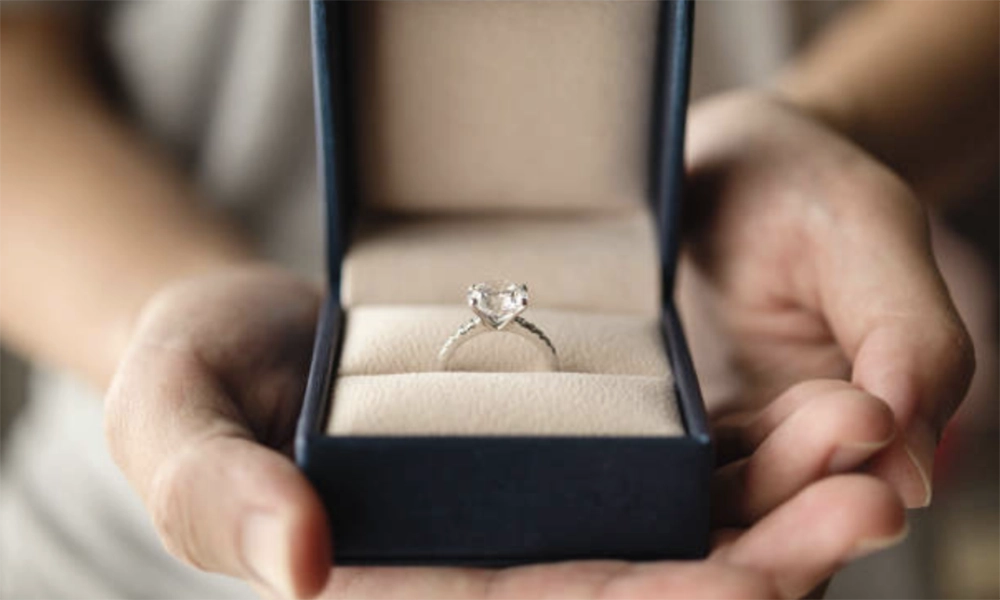
What makes it trickier is that most people choose an engagement ring in isolation, focusing on the design itself rather than how it will interact with an entire wardrobe over time. The result isn’t necessarily a bad choice, just one that feels inconsistent depending on what you’re wearing that day.
Matching a ring to clothing isn’t about strict rules or perfect coordination. It’s more about understanding how certain details—metal tone, scale, and overall design—blend into your existing style without needing constant adjustment.
Below are 6 styling rules that actually work.
1. Start With Your Dominant Wardrobe Tone
Before thinking about ring styles, it helps to step back and consider the colors you wear most often. Some wardrobes lean toward cooler tones—greys, blacks, blues—while others naturally sit in warmer shades like beige, cream, or earthy hues. That underlying pattern plays a bigger role than people expect.
While browsing through various diamond engagement rings, the question shifts from “which one looks best” to “which one actually fits what I wear every day.” In settings like Ritani, where multiple metal tones and designs are seen side by side, that difference becomes easier to notice because contrast starts to stand out more than sparkle. A ring that aligns with your dominant color palette tends to feel consistent across outfits instead of needing to be mentally “adjusted” every time you get dressed.
2. Match the Level of Detail to Your Clothing Style
Some wardrobes are built around clean lines and minimal pieces, while others include textures, prints, or layered elements. A highly detailed ring placed next to already busy clothing can feel slightly overwhelming, even if each piece looks great on its own.
On the other hand, a very simple ring paired with structured, minimal outfits tends to feel intentional and balanced. The idea isn’t to match detail exactly but to avoid stacking complexity in one place. Once you notice how visual weight distributes across your outfit, it becomes easier to keep things from feeling crowded.
3. Consider Proportion, Not Just Size
It’s easy to think in terms of “small” or “large” rings, but proportion is what actually affects how a ring interacts with clothing. A bold stone might look perfectly balanced with thicker fabrics or layered outfits, yet feel slightly out of place next to lighter, more delicate pieces.
The relationship works both ways. Slim, understated rings can get visually lost when paired with heavier clothing like coats or structured blazers. Paying attention to how the scale of your ring compares to the overall weight of your outfit helps create a more cohesive look without changing anything else.
4. Let Metal Tone Bridge Different Outfits
Metal tone tends to act as a connector across different styles. Yellow gold, white gold, and platinum each carry a slightly different feel, and that subtle shift can influence how the ring sits next to various clothing colors. According to the Gemological Institute of America, the choice of metal also affects how the diamond itself appears—white metals tend to enhance the brilliance of colorless stones, while yellow and rose tones bring warmth and contrast to the setting.
If your wardrobe moves between warm and cool tones, choosing a metal that doesn’t clash with either side makes a noticeable difference over time. It’s less about perfect matching and more about avoiding contrast that feels distracting. Once the metal blends naturally with most outfits, the rest of the styling becomes much easier.
5. Think About Everyday Movement, Not Just Static Looks
A ring isn’t viewed in isolation—it’s seen while you’re moving, reaching, holding things, or adjusting clothing. That movement changes how it interacts with different textures and fabrics throughout the day.
Some designs catch more light and attention during motion, while others stay relatively subtle. If your wardrobe includes a lot of dynamic elements—flowy fabrics, layered pieces—the way your ring behaves in motion becomes more noticeable. Taking that into account helps avoid combinations that feel unintentionally distracting.
6. Consistency Matters More Than Occasion Matching
It’s tempting to think about styling a ring for specific outfits or occasions, but the reality is that it needs to work across everyday scenarios first. A design that only feels right with certain looks tends to create small points of hesitation when getting dressed.
Choosing something that aligns with your general style—rather than a single aesthetic—removes that friction. Over time, consistency proves more valuable than versatility in isolated situations. When the ring feels natural with most of what you wear, you stop thinking about it altogether, which is usually a sign that the balance is right.
Conclusion
Matching a diamond engagement ring with your wardrobe isn’t about strict coordination or following fixed styling rules. It’s about noticing how different elements—tone, proportion, and detail—interact in real-life settings rather than controlled ones.
Once you start paying attention to those small interactions, the decision becomes less about finding a perfect match and more about creating something that feels consistent across everything you already wear.
- About the Author
- Latest Posts

Our Editorial Team are writers and experts in their field. Their views and opinions may not always be the views of Wellbeing Magazine. If you are under the direction of medical supervision please speak to your doctor or therapist before following the advice and recommendations in these articles.