Hearing that you have osteopenia can feel unsettling, but it is not the same as osteoporosis. Osteopenia means your bone density is lower than ideal, a signal to act rather than a fixed diagnosis. Simple, steady steps can slow bone loss and may stabilize density over time. This article is educational, not a substitute for personalized medical care.
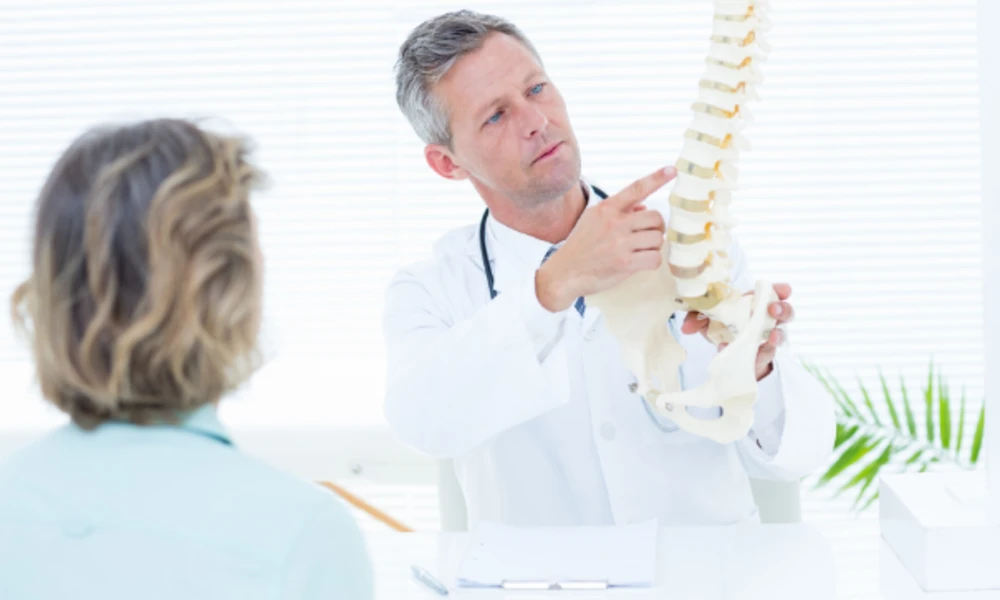
What osteopenia means and how it is found
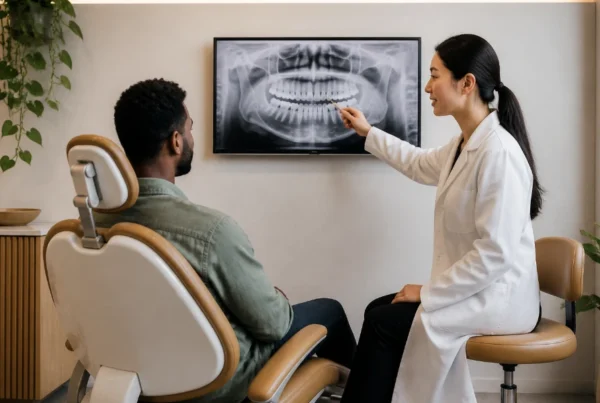
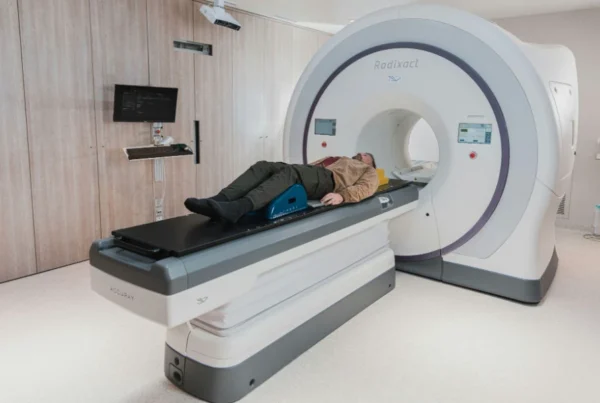
Bone density is usually measured with a DXA scan, a quick, low-radiation test that produces a T-score. According to the Bone Health and Osteoporosis Foundation (BHOF), a T-score between minus 1.0 and minus 2.5 indicates low bone mass, also called osteopenia. A score of minus 2.5 or lower indicates osteoporosis.
Your scan result is only part of the picture. Clinicians often use FRAX, a tool that estimates your 10-year fracture risk based on age, health history, and other factors. That risk, not the T-score alone, usually guides whether treatment beyond lifestyle changes makes sense.
The daily foundation to slow bone loss
Move for your bones
BHOF points to two exercise categories that matter most for bone health: weight-bearing activity and muscle-strengthening work. Weight-bearing means moving on your feet, such as walking, hiking, dancing, or stair climbing. Strength training uses resistance bands, weights, or your own body weight to load muscle and bone.
Aim for about 30 minutes of weight-bearing activity on most days, plus strength training 2 to 3 days per week. If you have had a fracture or feel unsteady, ask a clinician or physical therapist before changing routines.
Eat for bone strength
Calcium and vitamin D are key building blocks. BHOF suggests 1,200 mg of calcium per day for women 51 and older and men 71 and older, and 1,000 mg for younger adults. Food comes first: dairy, fortified plant milks, leafy greens, canned fish with soft bones, and tofu can help.
For vitamin D, BHOF recommends 800 to 1,000 IU per day for adults 50 and older because it helps the body absorb calcium. A simple blood test can show whether your level is low.
Cut bone-draining habits
Smoking and heavy alcohol use both work against bone strength and raise fracture risk. Quitting smoking helps, and keeping alcohol moderate protects your bones and balance. For a broader look at everyday choices, this guide on how to manage bone density as you age is a useful companion read.
When medicine makes sense and what to expect
Medication is not automatic with osteopenia. The American Academy of Family Physicians and BHOF describe a common threshold: prescription drug therapy is generally considered when FRAX shows a 10-year hip fracture risk of at least 3 percent, or a major osteoporotic fracture risk of at least 20 percent.
If your risk crosses that line, several medication classes may come up. Bisphosphonates are first-line for many people. Denosumab is another option, but it should not be stopped abruptly because stopping without follow-up treatment can trigger rapid bone loss and higher fracture risk.
SERMs or estrogen therapy may suit some postmenopausal women, and anabolic agents are generally reserved for very high risk. Osteoporosis medications can reduce hip and vertebral fractures in higher-risk patients. Serious side effects are rare, but discuss them before starting therapy.
A non-drug prescription option to discuss with your clinician
Beyond pills, a prescription device may be worth discussing. On January 12, 2024, the FDA classified the Osteoboost Belt as a Class II wearable vibration device for orthopedic use. It is indicated to reduce decline in bone strength and volumetric bone mineral density in postmenopausal women with osteopenia. Fracture risk was not evaluated in the supporting study.
According to the company, in the per-protocol group using it at least three sessions per week, vertebral bone strength declined 0.48 percent versus 2.84 percent with a sham device over 12 months, and vertebral density declined 0.29 percent versus 1.97 percent. These figures apply to that group and time frame, not to fracture outcomes. If you are exploring clinically reviewed, non-drug paths your clinician might consider alongside lifestyle changes, this Osteopenia treatment overview explains how the wearable works and who it is for.
It is a prescription device. Osteoboost notes that you may request a telehealth prescription for a $30 fee, so bring it to your clinician rather than self-prescribing.
Make falls less likely
Preventing falls is high impact because a fall often turns weak bone into a fracture. Each year, 1 in 4 Americans age 65 and older experiences a fall, the leading cause of injury in older adults, according to the CDC.
Quick wins add up. Declutter walkways, improve lighting, add grab bars near the tub and stair rails where needed, and wear supportive footwear. Balance exercises help, as do annual vision checks. Ask your clinician to review medications that can cause dizziness or unsteadiness.
Track progress and stay proactive
Bone health is a long game. Ask when to repeat your DXA scan and how often to update your FRAX score, especially after major changes like quitting smoking, starting exercise, beginning medication, or adding a prescription device such as the Osteoboost Belt.
Conclusion
Osteopenia is a nudge, not a verdict. Small, steady habits add up, and movement, nutrition, fall-proofing, and regular check-ins give you real influence over bone health. Partner with your clinician, let FRAX and DXA guide decisions, and adjust your plan as your situation changes.
FAQ
Can osteopenia be reversed?
Usually, the goal is to slow or stabilize loss. Some people hold steady or improve with exercise, nutrition, and medical care when needed.
Do I need medication if I have osteopenia?
Not always. It is usually considered when FRAX shows a 10-year hip fracture risk of at least 3 percent or major fracture risk of at least 20 percent.
How much exercise is safe?
A common start is weight-bearing activity on most days plus strength training 2 to 3 days weekly. Get physical therapy guidance if balance is a concern.
Should I take calcium and vitamin D?
Use food first, then supplements if needed. Confirm calcium and vitamin D targets with your clinician and lab work.
- About the Author
- Latest Posts

Our Editorial Team are writers and experts in their field. Their views and opinions may not always be the views of Wellbeing Magazine. If you are under the direction of medical supervision please speak to your doctor or therapist before following the advice and recommendations in these articles.