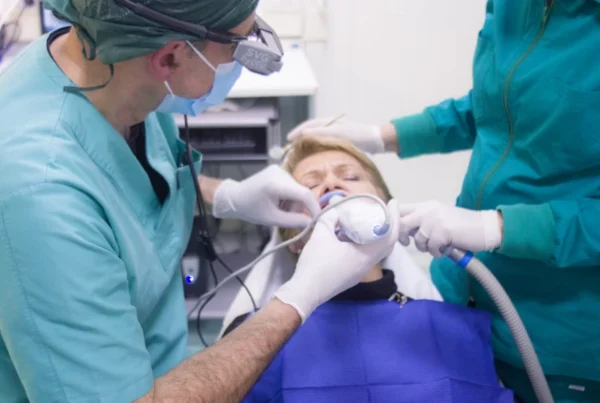
Most people only think about dental care when something goes wrong: a sharp pain, a cracked tooth, a filling that comes loose at the worst possible moment. Crisis-driven dentistry is common, and it is also one of the more expensive and stressful ways to manage oral health. There is a quieter, less dramatic alternative that tends to get overlooked: seeing the same dentist regularly, before anything is actually wrong.
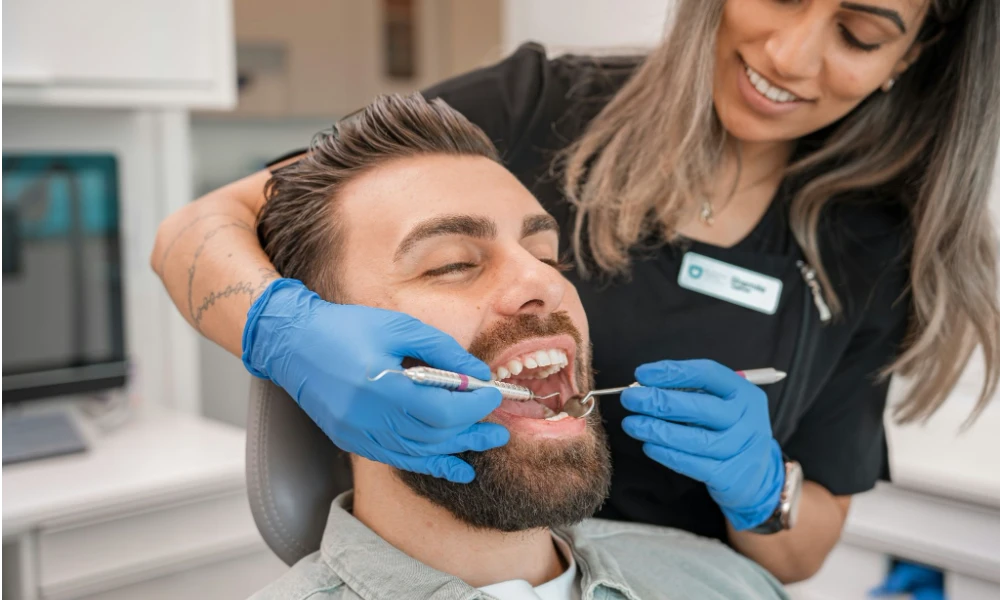
The Difference Between Reactive and Routine Care
Reactive dental care treats each visit as an isolated event. Something hurts, an appointment gets booked, the problem gets fixed, and the cycle resets until the next issue appears. This approach works, technically, but it also means every visit starts from zero. A new provider, or an emergency clinic, has no history to draw on and no sense of how a person’s mouth has changed over time.
Routine, relationship-based care works differently. A dentist who has seen the same mouth over several years develops a working knowledge of it: which teeth have needed extra attention before, how gum health has trended, what a person’s normal baseline actually looks like. That context makes it far easier to catch small changes early, before they become the kind of problem that shows up as a crisis in the first place.
Consistency Builds a Baseline Worth Having
A single X-ray or checkup is a snapshot. A series of them, taken by the same practice over time, becomes something closer to a trend line. Practitioners can compare this visit to the last one and the one before that, noticing gradual shifts that would be invisible to someone seeing the patient for the first time.
This is part of why preventive care is generally framed as a long-term habit rather than a single good decision. The value compounds. A cavity caught early is a filling. Left long enough without anyone tracking it, it can become a root canal or worse. The difference often isn’t the severity of the original problem, it’s how long it went unnoticed.
Emergency Visits Are a Sign the System Has Already Failed
There is a place for emergency dental care. Accidents happen, and pain that shows up on a Sunday cannot always wait for a scheduled appointment. But when emergency visits become the default way someone interacts with dentistry, that is usually a sign that the preventive side of the system broke down somewhere earlier.
An emergency visit is, by definition, reactive. The provider is meeting the patient for the first time, often under time pressure, with a problem that has already escalated. It can be handled well, but it starts from a disadvantage that routine care does not have to contend with. Someone who sees the same practice consistently is far less likely to end up in that position to begin with.
Trust Changes What People Are Willing to Say
There is also a less clinical reason consistency matters: familiarity lowers the barrier to honesty. Patients are more likely to mention a nagging concern, ask what might feel like a minor question, or admit they have been avoiding flossing, when they are talking to someone they already know rather than a new face each time. Those small, half-embarrassed admissions are often where useful information actually surfaces.
This matters for people managing dental anxiety in particular. A familiar environment and a familiar provider can make the difference between someone showing up for a routine cleaning and someone avoiding the dentist altogether until a problem forces the issue. Continuity of care, in that sense, is not just a scheduling preference. It shapes whether people engage with their own health at all.
Building the Habit
Establishing a routine dental relationship does not require a dramatic life change, just a shift in framing: treating checkups as a standing appointment rather than a response to symptoms. For anyone currently without a regular provider, and interested in what a family-oriented, full-service practice can offer for ongoing care, Paul Jang Dentistry is one example of the kind of consistent, relationship-based approach this piece is describing
- About the Author
- Latest Posts

Our Editorial Team are writers and experts in their field. Their views and opinions may not always be the views of Wellbeing Magazine. If you are under the direction of medical supervision please speak to your doctor or therapist before following the advice and recommendations in these articles.