Protein powder has become a pantry staple in many American kitchens for practical reasons: a fast breakfast, a smoothie after soccer practice, or something to stir into oatmeal on a rushed morning. If your household avoids dairy, choosing one can get confusing. Labels are crowded, protein sources vary, and front-of-package claims rarely explain what matters most.
This guide offers a label-first method you can use with your phone in one hand and a tub in the other. No supplement expertise is required.
Key Takeaways
- Dairy-free and lactose-free aren’t the same. A lactose-free product can still contain milk proteins such as whey or casein. Powders made entirely from plants don’t contain lactose.
- Read the allergen statement first. U.S. law recognizes nine major food allergens, including milk and soy. The FDA oversees allergen labeling and related manufacturing requirements.
- Look for independent testing. Protein powders are dietary supplements, and the FDA doesn’t approve them for safety, effectiveness, or label accuracy before sale.
- Check protein per serving. Powders commonly provide about 10 to 30 grams per serving, so the label determines whether a product fits your needs.
- Review added sugar and sweeteners. Sweetener type and quantity can affect nutrition, flavor, and whether children will drink the finished shake.
What “Dairy-Free” Actually Means
Shoppers often use dairy-free and lactose-free interchangeably, but they describe different things. Lactose-free means the milk sugar has been removed or broken down. The product can still contain milk proteins such as whey and casein. That distinction is especially important when someone has a milk allergy rather than lactose intolerance.
Plant-based powders don’t use lactose or milk protein, but they can contain other allergens, most commonly soy. Scan the ingredient list for whey, casein, milk solids, or milk protein isolate. Then read the “Contains” statement below the ingredients. Also review any voluntary cross-contact warning if your household manages a serious allergy.
Plant Protein Sources at a Glance
- Pea protein. Widely available and often high in protein per scoop. It can taste slightly chalky, and pea is a legume, which matters for some families.
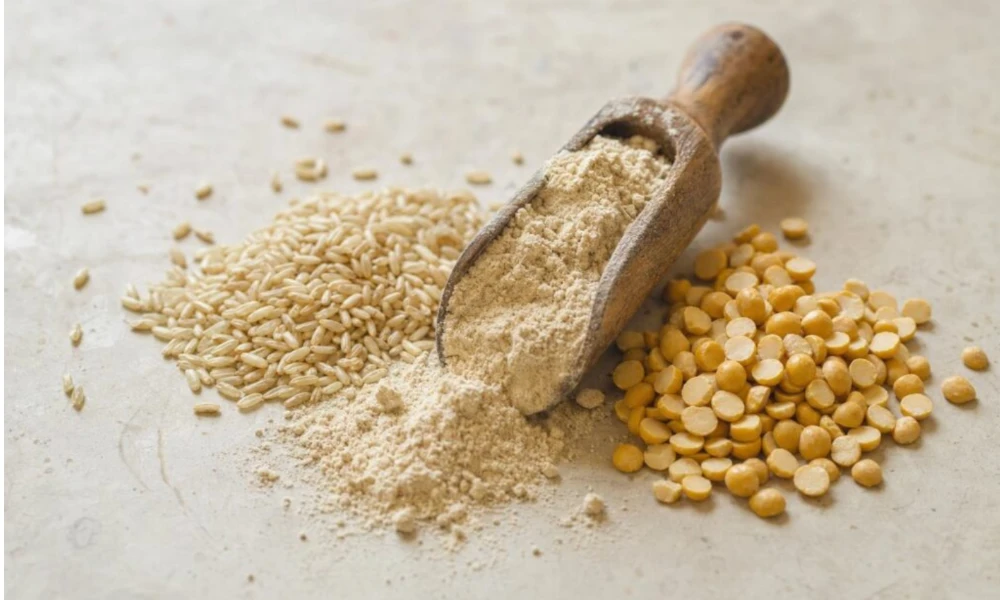
- Rice protein. Brown rice protein is a plant-based, dairy-free option with a mild flavor. It avoids soy and pea, although texture and mixability vary by product.
- Soy protein. Provides all nine essential amino acids and generally has a smooth texture. However, soy is a major allergen.
- Pumpkin and sunflower seed proteins. Can suit some allergen-restricted households. Their distinct flavors often pair well with fruit or cocoa.
- Protein blends. Combining sources such as rice and pea can create a broader amino acid profile and may improve texture.
Safety First: Independent Testing
In the United States, protein powders fall under the dietary supplement category. The FDA doesn’t review or approve each product for safety, effectiveness, or label accuracy before it reaches stores. Independent testing can provide an additional layer of quality control.
- NSF Certified for Sport. Includes formulation review, facility inspections, ongoing monitoring, and screening for banned substances.
- Informed Choice or Informed Sport. Uses testing programs focused on contaminants and substances banned in competitive sports.
- USP Verified. Checks whether the listed ingredients and amounts match the product and reviews manufacturing practices.
Certification can reduce uncertainty, but it doesn’t guarantee that a powder will suit your diet or work well for you.
What Recent Testing Shows About Heavy Metals
Heavy metals can occur naturally in soil and may enter plant ingredients during growing or processing. Consumer Reports testing published in October 2025 found that a number of protein powders and shakes exceeded its daily level of concern for lead in one serving. Plant-based products were among those with higher results.
Testing methods and thresholds can differ, so one report shouldn’t be treated as a verdict on every plant-based powder. A practical response is to favor products with credible independent certification or published batch certificates of analysis. Rotate protein sources instead of relying on one powder every day. When whole-food protein is convenient, options such as beans, tofu, eggs, or nut butter can reduce the need for a supplement.
Allergy-Savvy Shopping
If your family manages a peanut allergy, pea protein may raise questions because peas and peanuts are both legumes. The American Academy of Allergy, Asthma & Immunology notes that most people with peanut allergy tolerate other legumes, although some may react. An allergist should evaluate the risk for your child.
Two label habits help. The “Contains” statement identifies major allergens used as ingredients. Advisory language such as “may contain” or “made in a facility with” addresses possible cross-contact during manufacturing. That wording is voluntary, so its absence isn’t a guarantee that cross-contact cannot occur.
The Nutrition Checklist
Once you’ve reviewed allergens and testing, check the Nutrition Facts panel. Protein content varies widely, often from about 10 to 30 grams per serving. Around 20 grams may be a practical amount for an adult shake or smoothie, but individual needs depend on diet, body size, activity, and health.
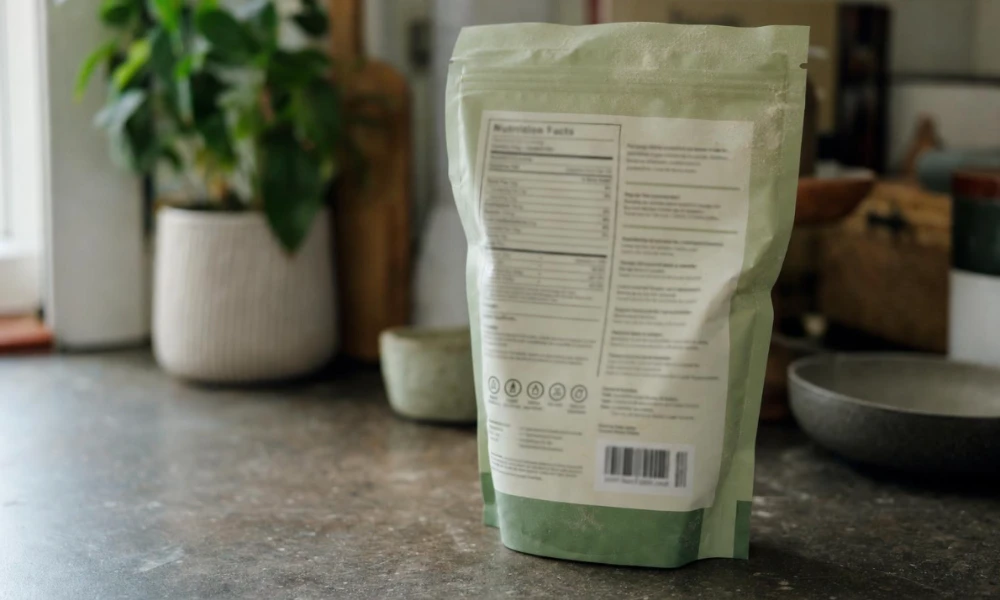
Review added sugar and the serving size as well. Stevia and monk fruit can have an aftertaste that some children notice. Sucralose and acesulfame potassium taste different and may not suit every household. Gums and lecithin affect thickness and how easily a powder dissolves. For a rice-based plant based protein powder currently in development, use this checklist once a final label is published.
When possible, buy a sample packet or the smallest container first. Blending the powder with banana, cocoa, oats, or a fortified milk alternative can improve texture and flavor. Anyone with kidney disease or a medically prescribed diet should speak with a clinician before using a protein supplement regularly.
Budget and Everyday Uses
Compare cost as you would compare unit prices at the grocery store. Divide the container price by the number of servings, then account for protein per serving. Comparing the cost per 20 grams of protein is more useful than comparing the price per scoop.
Unflavored, single-ingredient rice or pea powders are often versatile because you control the sweetness and other ingredients. NOW Sports, for example, offers an unflavored sprouted brown rice powder for people avoiding several common protein sources.
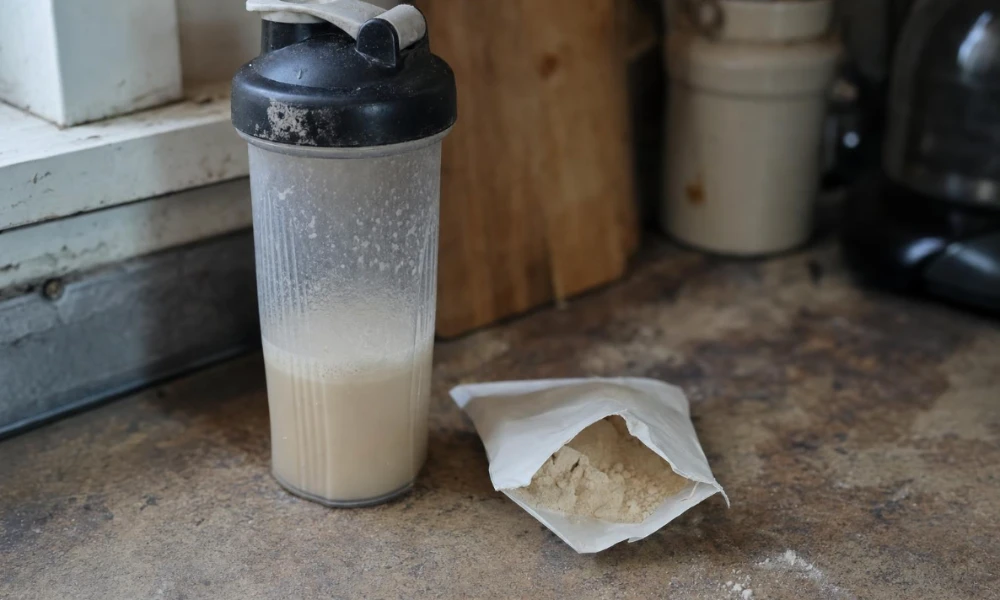
Three quick options work well on busy mornings:
- One-minute shaker. Combine one serving with about a cup of fortified soy or oat milk, then shake thoroughly.
- Simple smoothie. Blend fruit, a cup of milk alternative, oats or greens, and one serving of powder.
- Easy stir-ins. Mix half a serving into oatmeal, pancake batter, or dairy-free yogurt, adding extra liquid as needed.
When to Skip It or Ask First
Most children and teens can meet their protein needs through food, so supplements are rarely necessary. If you’re considering a powder for a young athlete, start with a pediatrician or registered dietitian. A qualified professional can assess total intake rather than relying on a serving suggestion from the label. Medical guidance is also appropriate during pregnancy or breastfeeding and for anyone with kidney disease or another condition affected by protein intake.
A Rice-Based Option to Watch
Rice protein is useful for households trying to avoid both pea and soy. A rice-based protein powder can work in smoothies, oatmeal, and baking, especially when a mild, unflavored option is preferred.
BearWell is developing a rice-based line around this simpler, pea-free and soy-free approach. It isn’t available yet, and the final testing details haven’t been published. When BearWell releases the commercial formula, compare its complete ingredient list, protein per serving, allergen statement, and independent testing information with the same standards used for any other powder.
The 30-Second Checklist
Before buying, ask six questions. Is the powder genuinely dairy-free rather than only lactose-free? Does the “Contains” statement address your household’s allergens? Is there credible independent testing? Does one serving provide enough protein for its intended use? How much added sugar does it contain? Can you try a small size before buying a large container?
Whether you choose a pea blend, an unflavored rice powder, or a future option from BearWell, use the same process. The ingredient list, allergen statement, Nutrition Facts panel, and testing information are more useful than broad claims on the front of the package.
- About the Author
- Latest Posts

Our Editorial Team are writers and experts in their field. Their views and opinions may not always be the views of Wellbeing Magazine. If you are under the direction of medical supervision please speak to your doctor or therapist before following the advice and recommendations in these articles.