You’ve heard of probiotics. You probably eat fermented foods. But there’s a third chapter in the gut health story — one that scientists believe may be the most important of all. Nutrition consultant Kate Arnold explains.
Gut health has dominated the wellness conversation for the better part of a decade. We’ve learned about the microbiome — the vast community of bacteria, fungi and other microorganisms living in our digestive tract. We’ve embraced fermented foods. The probiotic supplement market in the UK alone is now worth hundreds of millions of pounds annually.
And yet, for many people, the results haven’t quite matched the promise. Probiotics help — but not always consistently, and not always for everyone. The question of why has occupied researchers for years.
The answer, it turns out, may lie not in the bacteria themselves, but in what those bacteria produce. And it has a name that is only now entering mainstream conversation: the postbiotic.
The Three-Part Story of Gut Health
To understand postbiotics, it helps to know where they sit in the broader picture. There are three key players in the gut health ecosystem.
Prebiotics are the dietary fibres — found in foods like garlic, onions, oats, asparagus and bananas — that feed the beneficial bacteria in your gut. They are, in essence, the food supply.
Probiotics are the live bacteria themselves — present in fermented foods like yoghurt, kefir, sauerkraut and kimchi, or taken as supplements. They arrive in the gut and, in ideal conditions, contribute to the microbial community there.
Postbiotics are what those bacteria produce when they do their work — the bioactive compounds generated through the fermentation and metabolic activity of a healthy microbiome. They are, if you like, the finished product of a well-functioning gut.
In 2021, the International Scientific Association for Probiotics and Prebiotics (ISAPP) published a formal consensus definition of postbiotics. It was a landmark moment — a signal that the scientific community had taken this category seriously enough to define it.
What Postbiotics Actually Are
The category encompasses several distinct types of bioactive compound, each with its own role in the body.
The most extensively studied are short-chain fatty acids, or SCFAs — and the easiest way to think about them is as the fuel your gut wall runs on. Just as a car engine requires petrol to function, the cells lining your intestines depend on SCFAs to repair themselves, maintain their structural integrity and do their job of selectively absorbing nutrients while keeping harmful substances out. The three principal SCFAs are butyrate, propionate and acetate. Butyrate is the primary energy source for colonocytes — the cells of the colon — and has attracted particular research attention for its role in gut barrier function, immune modulation and the regulation of inflammation. Propionate plays a role in glucose and lipid metabolism. Acetate is the most abundant SCFA and has systemic effects throughout the body, including on appetite regulation.
Beyond SCFAs, the postbiotic category includes cell wall components from beneficial bacteria that interact directly with the immune system, helping to calibrate its responses. There are also bacterial enzymes that assist with the breakdown and absorption of nutrients, and a range of other metabolites produced during fermentation.
Why Postbiotics May Be More Reliable Than Probiotics
Live probiotic bacteria face a significant challenge from the moment they leave the manufacturing facility. They must survive the production process, storage conditions, transit through the acidic environment of the stomach, and arrival in the gut — where they then need to colonise successfully in an already-occupied ecosystem. Studies suggest that even under good conditions, a meaningful proportion of live bacteria in probiotic supplements do not survive this journey intact.
Postbiotics sidestep much of this complexity. Because they do not contain live organisms, they are inherently more stable. They do not need to survive stomach acid. They do not need to colonise. The bioactive compounds are already present and available — which is one reason why postbiotics tend to be well tolerated even by people whose digestive systems react poorly to live probiotic preparations.
This stability also has implications for manufacturing and shelf life. Postbiotic preparations can be standardised in ways that live cultures cannot, making it possible to deliver a consistent, measurable dose — which is fundamental to clinical reliability.
The Research Landscape
The evidence base for postbiotics is still building — it is worth being clear about that. But the trajectory is significant. Research has examined postbiotics in the context of gut barrier integrity and leaky gut, inflammatory bowel conditions, irritable bowel syndrome, immune function, metabolic health and even mental health via the gut-brain axis. Early findings are promising, particularly for butyrate, which has been studied for decades in the context of colorectal health.
There is also growing interest in the role of postbiotics in skin health. The gut-skin axis — the bidirectional relationship between gut microbiome health and skin conditions including acne, eczema and rosacea — is an area of active research, and postbiotics’ anti-inflammatory and barrier-supportive properties make them a logical focus of investigation.
Can You Get Postbiotics from Food?
Yes — and this is perhaps the most accessible entry point into the category. Fermented foods are naturally rich in postbiotic compounds. When sauerkraut, kimchi, kefir, miso, tempeh or traditionally made yoghurt undergo fermentation, the bacterial activity generates SCFAs and other bioactive metabolites as a byproduct. Eating these foods regularly is, in effect, a form of postbiotic supplementation — and one with the additional benefits of whole food nutrition.
The case for a supplement lies in concentration and consistency. Therapeutic doses — particularly of specific SCFAs like butyrate — are difficult to achieve reliably through diet alone, especially for someone whose gut health is already compromised. A well-formulated postbiotic supplement can deliver a standardised dose that is simply not replicable through food.
Who Might Benefit?
Postbiotics are not a replacement for a healthy diet, a diverse microbiome or, where appropriate, probiotic supplementation. They are, however, worth considering for people who have tried probiotics without satisfactory results; those who experience digestive discomfort with live probiotic preparations; individuals recovering from antibiotic treatment who want targeted support for gut barrier repair; and anyone dealing with persistent low-grade inflammation, compromised immune function or skin conditions with a gut-health component.
As with any supplement, individual suitability varies. Those who are severely immunocompromised, pregnant or managing complex gastrointestinal conditions should seek guidance from a qualified practitioner before introducing a new supplement to their protocol.
AYA BIOME: Postbiotics on the UK Market
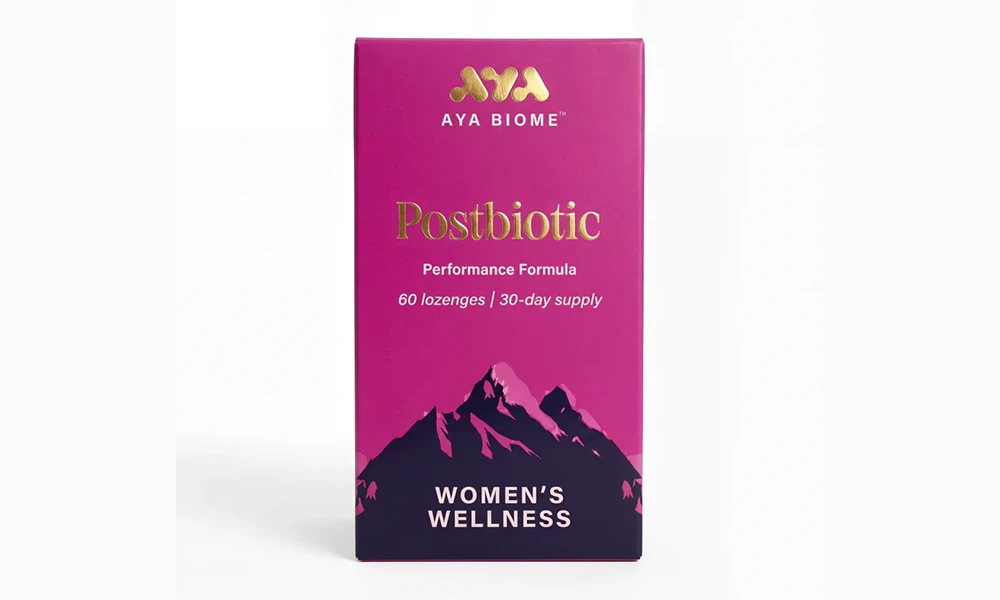
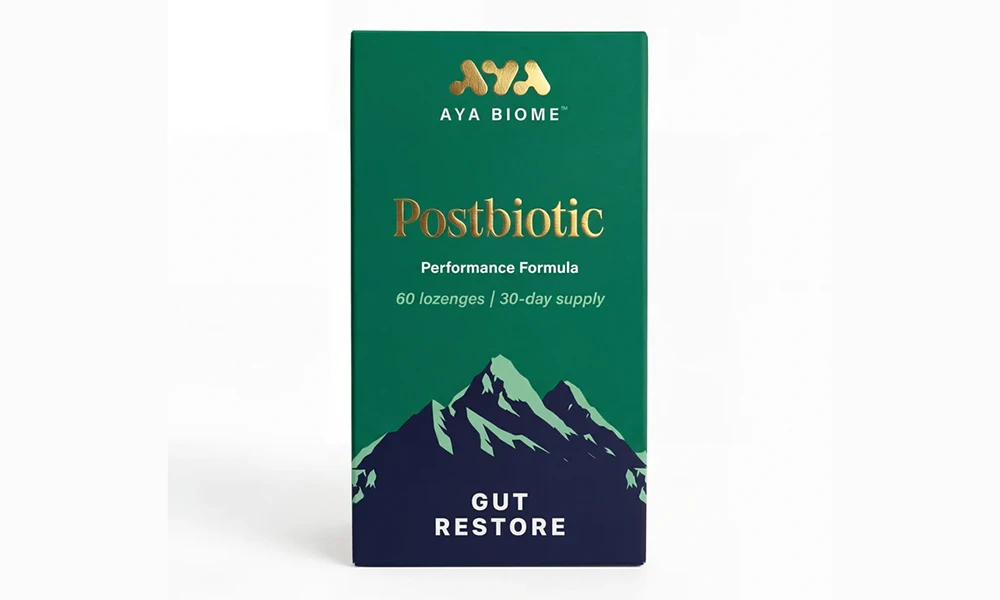
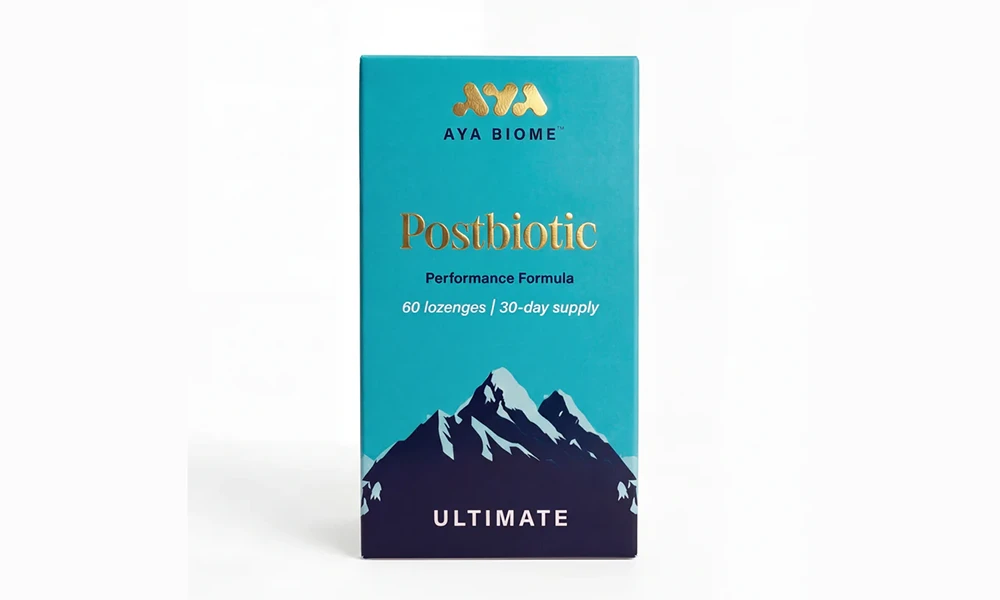
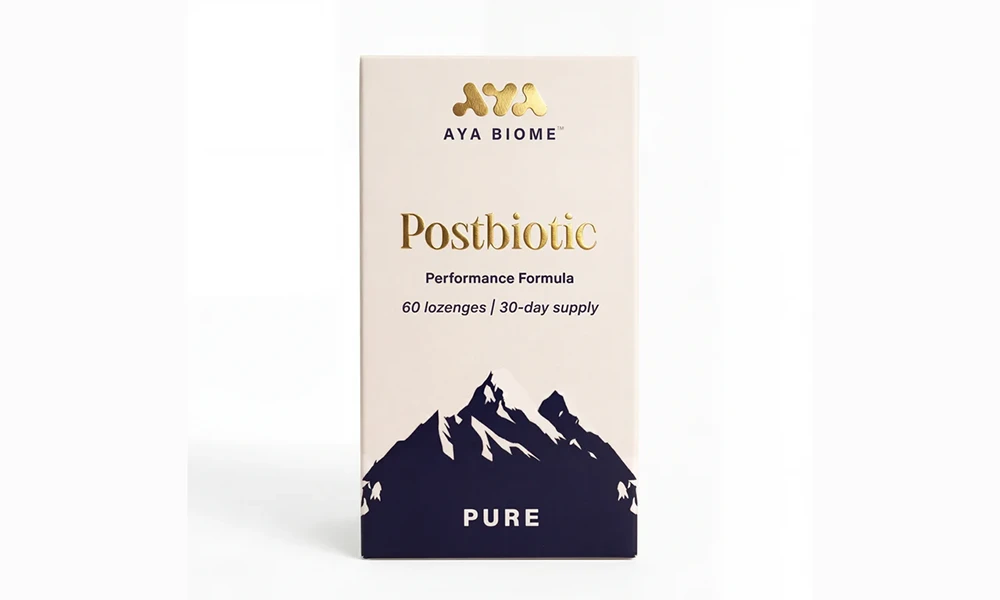
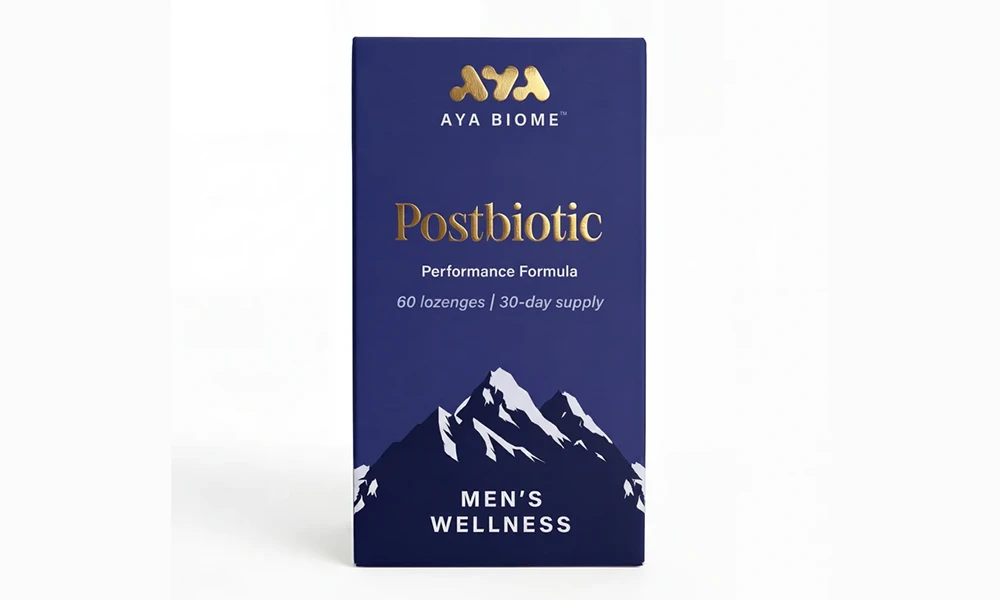
One of the ranges that nutrition consultant Kate Arnold has been recommending in her clinical practice is AYA BIOME — a postbiotic performance formula delivered as lozenges in a 30-day supply, starting from £44.99. The range comprises five formulations, each targeted to a different set of health priorities, available at www.thepostbioticcompany.co.uk.
“What I look for in a postbiotic formulation is clearly identified bioactive compounds, a meaningful dose and genuine manufacturing rigour. The range is designed to reflect the reality that different people come to gut health for different reasons — and that a one-size-fits-all approach rarely serves anyone well.” — Kate Arnold, nutrition consultant
The gut health story is not finished — it’s entering a new chapter. Postbiotics represent the most precise and targeted intervention yet in microbiome science: not adding bacteria, but delivering exactly what a healthy microbiome produces. For the millions of people in the UK managing gut-related health challenges, that may turn out to be a meaningful distinction.
Kate Arnold is a nutrition consultant specialising in gut health and the microbiome.
- About the Author
- Latest Posts

Kate has been a Nutrition Consultant for 25 years and practises Lifestyle Medicine. To date she has seen 12,500 clients and patients and has vast experience and knowledge on nutrition and impacts on health. She specialises in fatigue syndromes and the gut microbiome and its role in complex health issues.