
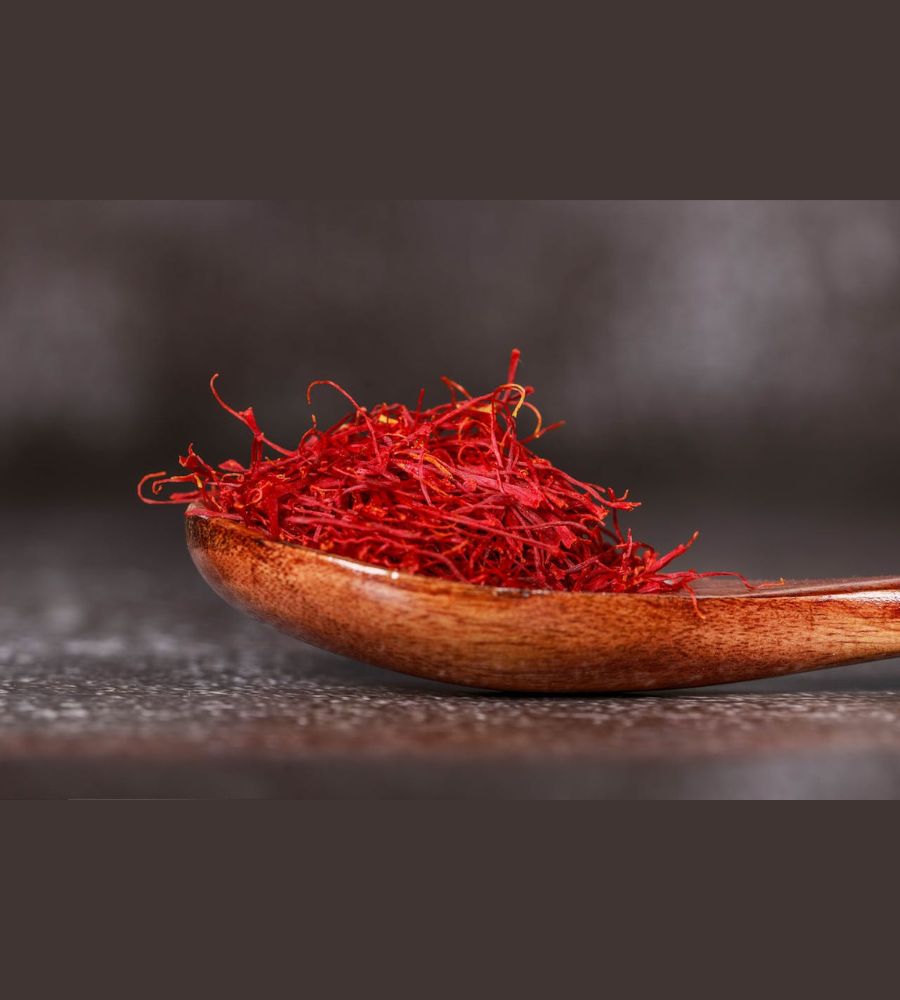
For centuries, saffron has been more than just a spice. Known as “red gold,” it has flavoured Persian dishes, coloured Buddhist robes, and featured in Ayurvedic and Unani medicine as a symbol of vitality and joy. Ancient poets even described saffron as the scent of happiness.
Today, in the midst of rising stress, anxiety, and depression worldwide, saffron has found its way into modern research labs. Could this vivid thread of spice really hold the key to supporting mood and emotional wellbeing?
What Exactly is Saffron?
Saffron comes from the Crocus sativus flower. Each bloom produces just three delicate crimson stigmas, which must be harvested by hand. It takes around 150,000 flowers to yield a single kilogram, explaining saffron’s reputation as the world’s most expensive spice.
But the true value of saffron may lie in its chemistry. The compounds crocin, crocetin, and safranal are thought to be responsible for its colour, aroma, and—according to growing research—its mood-supporting effects.
Saffron and Mood: What the Science Shows
A growing body of clinical trials suggests saffron may be more than culinary luxury. Several randomised controlled studies have shown saffron extract can significantly improve symptoms of mild to moderate depression, sometimes performing as well as common antidepressants such as fluoxetine (Prozac) and imipramine.
A 2019 meta-analysis pooling together multiple studies concluded that saffron supplementation consistently reduced depressive symptoms compared to placebo, with a good safety profile. Beyond depression, saffron has also been shown to reduce anxiety and improve overall emotional wellbeing.
How does it work?
Researchers believe saffron may support mood through several mechanisms:
- Serotonin regulation: Safranal and crocin may influence serotonin and dopamine pathways, the very neurotransmitters targeted by many antidepressant medications.
- Antioxidant activity: Saffron’s carotenoid compounds reduce oxidative stress, which has been linked to depression and cognitive decline.
- Anti-inflammatory effects: Chronic low-grade inflammation is increasingly recognised as a driver of mood disorders. Saffron appears to calm inflammatory pathways.
How Saffron Compares to Conventional Options
Unlike pharmaceuticals, saffron is not associated with common antidepressant side effects such as weight gain, sexual dysfunction, or emotional blunting. Many women find it a gentler alternative, especially those seeking natural approaches.
That said, saffron isn’t a replacement for professional mental health care. It’s best thought of as a supportive tool—one that may work well alongside counselling, nutrition, lifestyle changes, or deep inner healing therapies like Rapid Core Healing or Family Constellations
Using Saffron Safely
Most of the research uses standardised saffron extracts at a dose of 30 mg daily, often divided into two capsules. Results are usually seen within 4–6 weeks.
Saffron is generally well tolerated, but mild digestive discomfort can occur. High doses (well above supplement levels) should be avoided, particularly during pregnancy. Because saffron may influence serotonin, it should be used with caution alongside SSRIs or other antidepressant medications. Always consult a qualified practitioner before beginning.
Beyond Mood: Other Benefits of Saffron
Saffron’s potential extends beyond depression and anxiety:
- PMS and PMDD support: Studies show saffron may reduce premenstrual mood swings, irritability, and cravings—particularly relevant for women navigating PMDD. I use Saffron a lot in my clinic www.pmddnaturopath.com when working with women with PMDD, with fantastic results.
- Cognitive health: Early research suggests saffron may help protect memory and learning, with trials in Alzheimer’s disease showing promise.
- Antioxidant defence: Saffron’s compounds have anti-inflammatory and neuroprotective effects, supporting brain and overall wellbeing.
Everyday Ways to Try Saffron
- Supplements: The most reliable way to achieve studied doses. Look for extracts standardised to crocin and safranal content.
- Culinary use: Infuse saffron in warm water and stir into rice, tea, or plant-based milks. While delicious, culinary doses are usually too low for therapeutic benefit.
- Quality matters: Adulteration is common. Choose saffron threads over powder when cooking, and buy supplements from reputable brands.
A Golden Thread in a Bigger Tapestry
Saffron may indeed be a “golden thread” connecting ancient wisdom with modern science. Its ability to support mood, ease anxiety, and balance premenstrual symptoms makes it one of the most exciting natural remedies under study today.
But saffron works best as part of a holistic lifestyle: balanced nutrition, movement, stress management, and emotional support all lay the foundation for wellbeing. Think of saffron as an enhancer, not a cure-all.
As the poet Rumi wrote, “Try to accept the changing seasons of your heart, even if they seem cold.” Sometimes, a bright thread of saffron—woven into both food and healing—can be part of that acceptance and restoration, and give us the herbal hug required to do the inner work we may require for deep long-term healing..
Final Thoughts
So, can saffron really lift your mood? The science says yes—particularly for mild to moderate depression and anxiety. With centuries of traditional use and a growing clinical evidence base, saffron is emerging as one of nature’s most promising allies for emotional health.
If you’re struggling with a persistent low mood, saffron may be worth exploring with the guidance of a qualified practitioner. Small though it may be, this golden spice has a remarkable way of brightening the mind and spirit.
- About the Author
- Latest Posts

Camilla Brinkworth is a naturopath, nutritionist (BHSc Naturopathy, GradCert Human Nutrition) and Family Constellations facilitator with 15 years of experience in the wellness industry. She specialises in plant-based nutrition, mental health and holistic natural PMDD recovery. Her approach goes beyond food and supplements—she combines lifestyle medicine and nutritional guidance with herbal medicine, nervous system support, trauma processing and ancestral healing work to address the deeper causes of disease. Originating from the UK, Camilla now lives in Ubud, Bali, offering online consultations to clients worldwide. Having personally overcome PMDD, autoimmune arthritis, anxiety, depression, and panic disorder, Camilla understands the complex relationship between the body, mind, and lived experience; her clinical work is grounded in compassion, and evidence-informed practice. As a speaker, clinician, and educator, Camilla guides people in understanding the deeper story behind their symptoms, resolving what’s held in the body, and supporting long-term transformation through highly expertised, science-backed yet holistic care.