Designing a Wellness Garden: From Green Space to Mindful Haven
Creating a personal sanctuary at home has never been more important. A well-designed garden can serve as a restorative escape
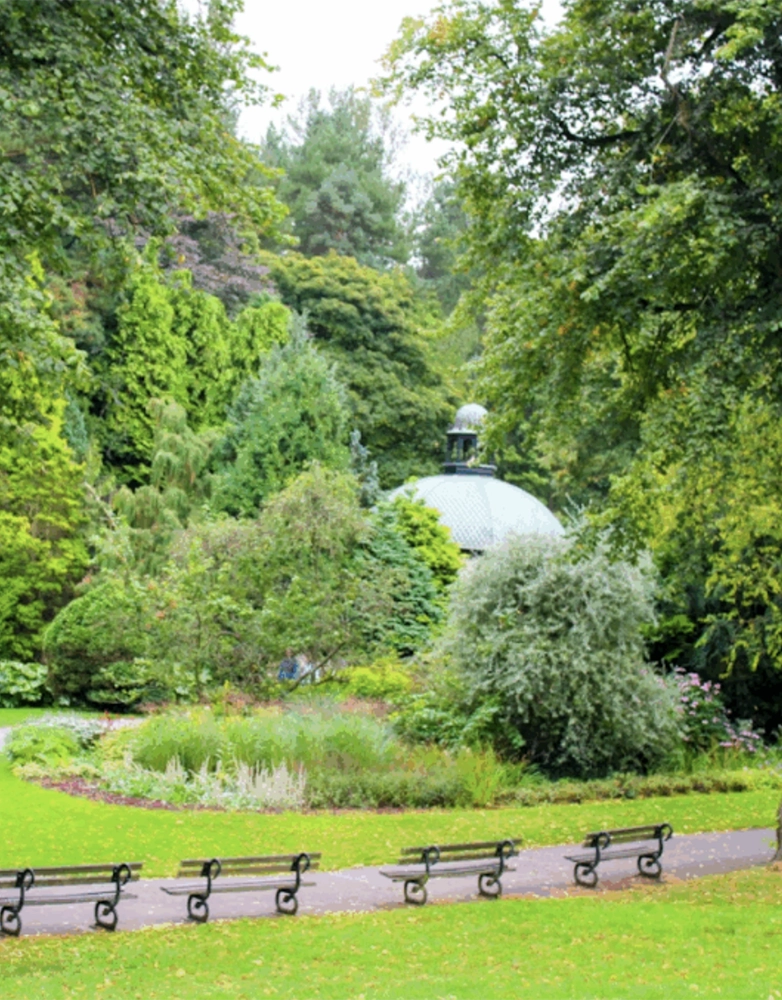
Creating a personal sanctuary at home has never been more important. A well-designed garden can serve as a restorative escape from the fast-paced modern life, allowing you to reconnect with nature and find moments of calm throughout your day. By integrating elements that nurture your senses, promote relaxation, and encourage movement, you can transform any outdoor area into a true haven for wellbeing. Whether you have a spacious backyard or a small patio, incorporating natural textures, soothing colors, and sustainable touches, such as synthetic turf options, can help you craft a space that supports both physical and mental balance.
Cultivating Calm Through Design
A wellness garden begins with intention. The goal is not just to beautify your space, but to design with purpose—creating a place where mind and body can rest. Start by considering how you want to feel when you enter your garden. If you crave serenity, think of soft curves in pathways, gentle water features, and clusters of lush greenery that feel unobtrusive yet inviting. If energy and movement inspire you, design open spaces for yoga, stretching, or barefoot walks on soft turf.
Sound also plays a major role in creating tranquility. The rustle of leaves, the gentle trickle of water, or the hum of distant birds can lower stress levels and slow breathing. Adding a small fountain, birdbath, or ornamental grasses that sway in the wind can create a symphony of natural sound, helping you anchor in the present moment.
Choosing Materials That Nurture the Senses
Texture and touch are essential in any mindful garden. The sensation of soft grass beneath your feet, smooth stones under your palms, or the crisp edges of a wooden bench can all influence how you experience your surroundings. For those seeking low-maintenance serenity, synthetic turf offers a practical and inviting surface that stays lush all year round. It feels comfortable, looks vibrant, and requires minimal upkeep—freeing your time for more mindful activities instead of mowing or watering.
Color choice also shapes emotion. Shades of green, blue, and white tend to evoke a sense of calmness, while subtle accents of lavender or pale yellow bring warmth without overwhelming the eye. Incorporate native plants that thrive naturally in your region, ensuring the garden remains eco-friendly and balanced with local biodiversity. Fragrant herbs such as lavender, mint, or rosemary not only stimulate the senses but can also serve therapeutic purposes through aromatherapy.
Integrating Mindfulness Into the Space
A wellness garden is more than a visual retreat—it’s an environment that encourages mindful engagement. Design areas that invite slow, deliberate interaction. A simple stone path can guide walking meditations, while a bench under a tree provides a moment to pause and breathe. Consider positioning seating to face east for morning sunlight or west for sunset reflection, aligning natural light with your daily rituals.
Adding features that invite touch and focus can also enhance mindfulness. Sculptures, textured pots, or wind chimes provide sensory anchors, helping draw attention away from screens and back to the present. Even maintaining the garden, trimming, watering, or arranging plants, can become a meditative act when approached intentionally, turning everyday care into a mindful practice.
Sustainability as a Wellness Principle
True wellbeing extends beyond personal health to the health of the planet. Choosing sustainable materials and water-efficient landscaping helps reduce environmental strain while deepening your connection with nature. Reclaimed wood, recycled stone, and native plants minimize waste and require fewer resources to maintain. Installing a rain barrel or drip irrigation system can further conserve water without compromising vibrancy.
Synthetic turf, while often chosen for convenience, also contributes to sustainability by eliminating the need for chemical fertilizers and excessive watering. Modern artificial turf options are designed with drainage systems and recyclable materials, allowing homeowners to enjoy the evergreen beauty of their lawn without the environmental costs associated with traditional lawns. When used thoughtfully, these surfaces support both eco-consciousness and aesthetic harmony, making your garden as gentle on the earth as it is on you.
A Space for Healing and Connection
A well-designed wellness garden should evolve with you. Over time, it becomes a living reflection of your personal growth, offering comfort during stressful days and celebration during joyful ones. By fostering a connection with nature, such a space can enhance mood, alleviate anxiety, and improve overall mental clarity. Whether you use it for meditation, gentle exercise, or quiet reading, the garden’s purpose remains the same: to provide peace.
The most rewarding aspect of a wellness garden is how it redefines home life. It’s not just an outdoor feature—it’s a holistic environment where nature, sustainability, and mindfulness coexist. By combining thoughtful design with eco-friendly elements, such as synthetic turf and natural textures, you can create an oasis that enhances both your well-being and your connection to the world around you.
Conclusion
Designing a wellness garden is more than just arranging plants—it’s about creating a space that restores balance and invites calm into everyday life. From the gentle sounds of nature to the inviting texture of sustainable surfaces, each detail contributes to your sense of peace and presence. By selecting elements that balance comfort and conscience, such as durable synthetic turf options, your garden can become a mindful haven that nurtures you season after season. In a world that rarely slows down, having your own serene green space can be one of the most meaningful acts of self-care you can create.
Filed underAnxiety, Stress & burnout, Cosmetic & aesthetics, Meditation & mindfulness, Yoga & Pilates, India & Sri Lanka, Rest & rejuvenation, Nature, Retreat, Calm, Home & garden sanctuary