
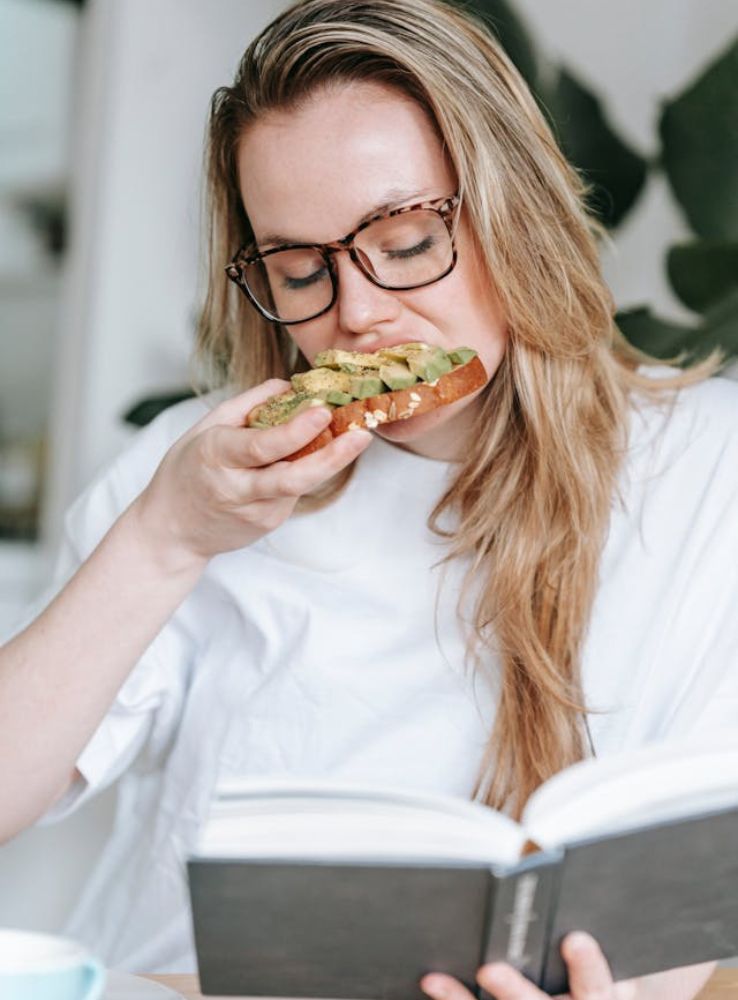
Most of us arrive at adulthood with a long list of ideas about how we are supposed to eat. Eat clean. Be disciplined. Avoid this. Earn that. Do not eat too late. Do not eat too much. For many people interested in natural health or plant based living, these rules often come wrapped in good intentions. We want energy, stable moods, good digestion, healthy hormones. It makes sense.
And yet, I meet so many people who are doing all the right things on paper and still feel tense around food. They eat well, but not easily. They nourish themselves, but with a quiet undertone of vigilance. If that sounds familiar, you are not broken, and you are certainly not alone.
I want to explore a different way of looking at this. Not food as control, but food as care.
Why Food So Easily Becomes a Tool for Control
Food rules rarely appear out of nowhere. They usually form in response to something. A health scare. Digestive symptoms. Hormonal chaos. Weight changes. Or simply growing up in a culture that moralises eating at every turn.
From a psychological perspective, control often begins as protection. When the body feels uncertain or overwhelmed, the mind looks for something it can manage. Food becomes measurable, adjustable, seemingly obedient. If I eat the right way, maybe I will feel safe again.
I see this often in clinic, particularly in those with gut health challenges. Someone arrives eating an impeccably balanced diet, yet their nervous system is on edge. Meals feel like exams. Deviations feel like failures. The original intention, to feel better, has quietly turned into self surveillance.
As the philosopher Epictetus put it, “No man is free who is not master of himself.” But mastery is often confused with tightness. True steadiness feels different.

The Nervous System Is Always at the Table
Eating is not just a digestive act. It is a neurological one.
When we are chronically stressed, rushed, or self critical, the body shifts into a state of readiness. Digestion becomes secondary. Blood sugar regulation becomes less efficient. Hunger and fullness cues get distorted. In this state, restriction can feel strangely calming at first, because it gives the mind something to grip.
But over time, this backfires. Research consistently shows that perceived restriction increases preoccupation with food and disrupts appetite regulation. Even when calorie intake is adequate, the body senses threat. And the body always responds to threat.
This is why someone can be eating enough nutrients yet still feel unsettled around food. The issue is not the meal. It is the message underneath it.
The Inherited Stories We Eat Alongside Our Meals
Many of our beliefs about food were not consciously chosen. They were absorbed.
Perhaps you grew up with the idea that wasting food was wrong, no matter how full you were. Or that certain foods were treats to be earned. Or that a good body required constant monitoring. These beliefs often came from generations navigating scarcity, shame, or rigid social expectations.
Understanding this matters, because it allows compassion. When someone struggles with letting go of food rules, they are often wrestling with loyalty to old stories. Stories that once kept families safe.
Simone Weil wrote that attention is the rarest and purest form of generosity. Turning our attention to where our food beliefs come from is not indulgent. It is generous.
When Healthy Eating Quietly Turns Rigid
Plant based eating can be deeply supportive for digestion, inflammation, and hormonal balance. I see this every day. But even the most nourishing diet can become problematic if it is driven by fear.
A useful question I often suggest is this. Does the way I eat make my world feel larger or smaller?
Care tends to widen life. Control narrows it. Care allows flexibility, presence, and enjoyment. Control keeps a tally.
I am not talking about abandoning discernment. I am talking about the emotional tone behind our choices. Two people can eat the same meal. One feels grounded and satisfied, whilst the other feels anxious and vigilant. The difference is not the food, but the relationship.
Reframing Plant Based Eating as Care
At its best, plant based nutrition is abundant. It is colour, fibre, minerals, lifeforce and variety. It feeds the microbiome, steadies blood sugar, and gently supports detoxification pathways without forcing them.
When people shift from animal heavy diets to whole plant foods, they often notice something subtle before anything dramatic. Digestion feels calmer. Energy becomes steadier. Cravings soften. The mind becomes calmer. There is less internal noise. The body recognises nourishment when it is offered consistently and without threat.
In my own clinical practice, the biggest shifts rarely come from adding superfoods or removing every imperfect ingredient. They come when someone stops asking, “Is this allowed?” and starts asking, “Will this care for me today?”
Gentle Practical Shifts From Control to Care
Moving away from control does not mean chaos. It means recalibrating.
Eating regularly, even when hunger cues feel unreliable, helps rebuild trust. Building meals that include complex carbohydrates, healthy fats, and protein supports mood and hormone regulation far more effectively than grazing on rules.
Allowing pleasure matters too. Not as a reward, but as part of nourishment. Enjoyment is not a luxury add on. It is a digestive aid.
One small practice I often suggest is this. Sit down to eat whenever possible. Take one breath before the first bite. It sounds almost too simple, but it signals safety. And safety changes physiology.
Healing Is a Relationship, Not a Project
Our relationship with food evolves in stages. There will be moments of ease and moments of old patterns resurfacing. This is not failure. It is information.
Just as no relationship thrives under constant scrutiny, neither does our relationship with eating. Trust builds through consistency, curiosity, and repair.
Thich Nhat Hanh once wrote that when we eat mindfully, we are in direct contact with life. That contact requires presence, not perfection.
Choosing Care, One Meal at a Time
If food has felt like something you need to manage rather than something that supports you, there is nothing wrong with you. You adapted. And now you may be ready for a gentler way.
Care is quieter than control. It does not announce itself. It shows up in steady meals, in flexibility, in the willingness to listen rather than override.
You do not need to eat perfectly to eat well. You need to eat in a way that allows your body to do what it is already designed to do.
One meal at a time is enough.
- About the Author
- Latest Posts

Camilla Brinkworth is a naturopath, nutritionist (BHSc Naturopathy, GradCert Human Nutrition) and Family Constellations facilitator with 15 years of experience in the wellness industry. She specialises in plant-based nutrition, mental health and holistic natural PMDD recovery. Her approach goes beyond food and supplements—she combines lifestyle medicine and nutritional guidance with herbal medicine, nervous system support, trauma processing and ancestral healing work to address the deeper causes of disease. Originating from the UK, Camilla now lives in Ubud, Bali, offering online consultations to clients worldwide. Having personally overcome PMDD, autoimmune arthritis, anxiety, depression, and panic disorder, Camilla understands the complex relationship between the body, mind, and lived experience; her clinical work is grounded in compassion, and evidence-informed practice. As a speaker, clinician, and educator, Camilla guides people in understanding the deeper story behind their symptoms, resolving what’s held in the body, and supporting long-term transformation through highly expertised, science-backed yet holistic care.