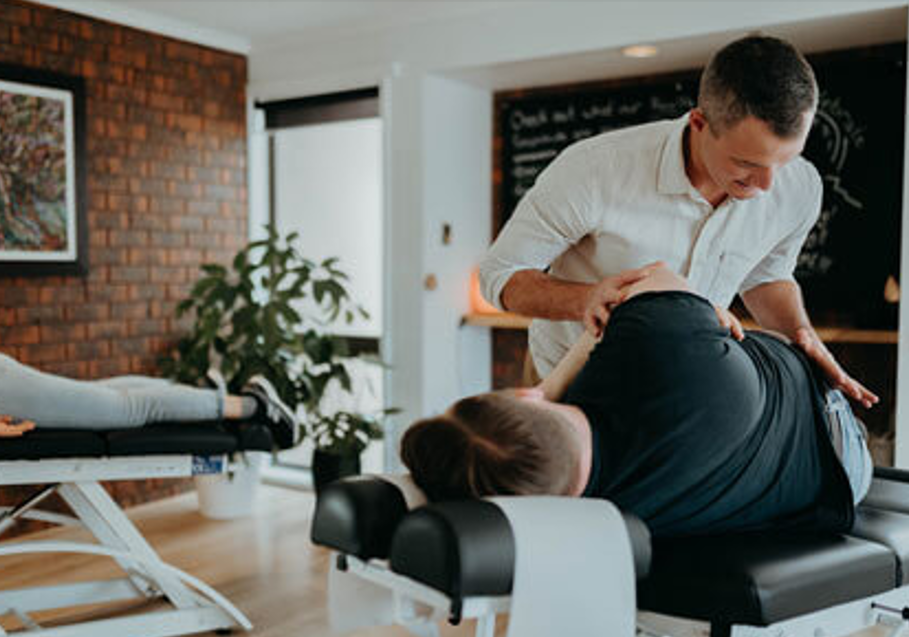
How Hands-On Therapies Can Rewire Your Movement Patterns
Poor posture, muscle imbalances, and lingering injuries can all result in painful movement patterns that leave us struggling by the end of a long day.…
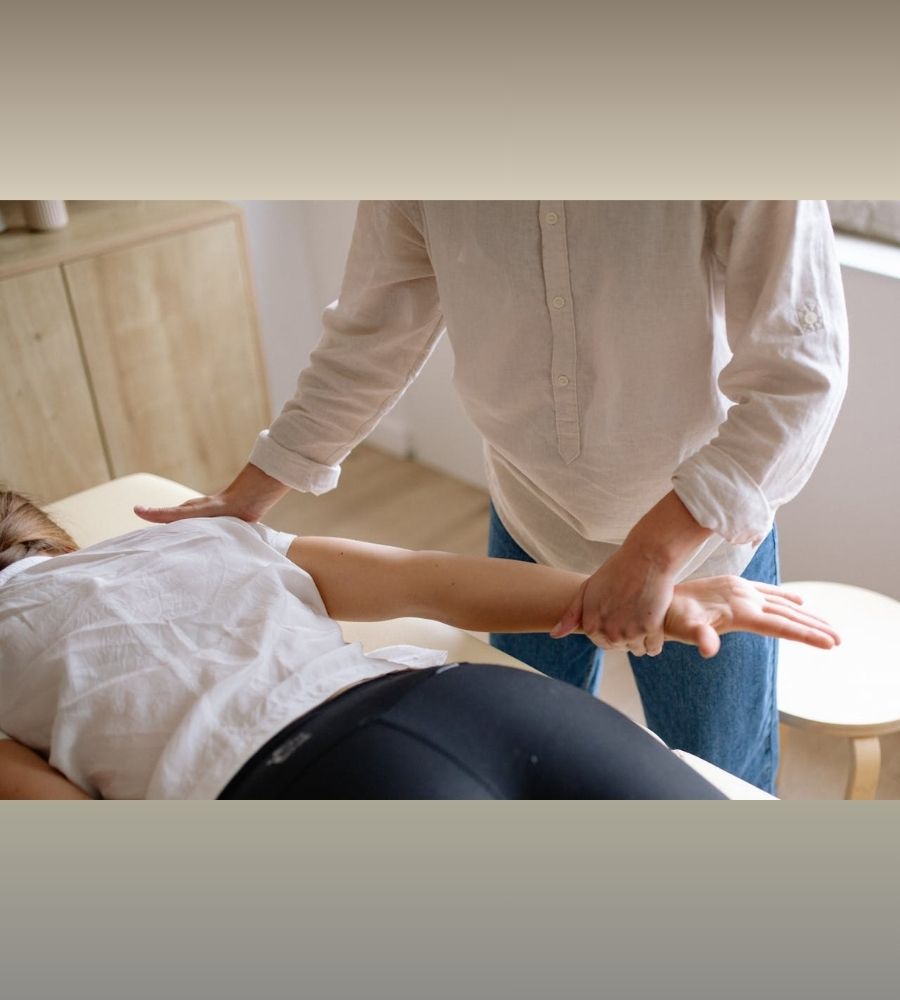
Poor posture, muscle imbalances, and lingering injuries can all result in painful movement patterns that leave us struggling by the end of a long day. Hands-on therapies are a powerful way to tackle pain and dysfunction by ‘rewiring’ the body’s natural movement patterns.
This type of therapy involves physical manipulation and manual contact with the body, using the hands to treat a range of conditions, from injuries and disabilities to musculoskeletal pain. With hands-on therapies like manual therapy or chiropractic, there aren’t any devices or tools used—simply your physical therapist’s or chiropractor’s hands to apply pressure where it’s needed in order to relieve painful symptoms and support recovery.
The Science of Rewiring: The Brain-Body Connection
Neuroplasticity is the brain’s remarkable ability to adapt by forming new neural pathways throughout your life. In simple terms, it means the brain can learn, unlearn, and reorganise itself based on the information it receives. This allows us to develop new skills, recover from injury, and adjust to new experiences.
However, when we experience pain or an injury, our nervous system often steps in to “protect” the affected area. This response can cause muscles to tighten up or certain movements to be avoided, resulting in compensations to how we walk and move. Over time, these patterns become ingrained habits, long after the original injury has healed, creating ongoing discomfort or dysfunction.
The goal of hands-on therapy is to help the nervous system break these unhelpful patterns, by creating new, safe, and precise sensory input. Guided movements and specific manual techniques help us to communicate to the brain that it’s safe to move differently, which encourages the nervous system to ‘re-map’ its patterns and restore healthier coordination.
Core Techniques of Hands-on Therapies
In hands-on therapy, therapists use skilled, controlled movements to target joints and soft tissues. Chiropractic services, for example, like those offered by Nimbus Clinics, provide manipulation and adjustment techniques on affected joints and surrounding tissues to restore mobility and help these tissues begin to heal properly.
Soft tissue techniques, on the other hand, like massage, myofascial release, and trigger point therapy, address muscle tension and adhesions that restrict your mobility. This enables the nervous system to reset and for movement to become more fluid.
Complementing these methods is a treatment known as neuromuscular re-education. This follows a process of retraining the communication between the brain and muscles. Trained therapists use targeted exercises to activate specific muscle groups, which helps patients improve their coordination, strength, and efficiency of movement.
Lastly, none of these therapies would be half as effective without patient education which plays a vital role in maintaining progress after the therapy session is over. Therapists are on hand to guide patients on self-care practices, such as posture and low-impact exercises to support long-term improvement. They’ll also emphasise the importance of consistency and repetition when it comes to these new, corrected movements to solidify neural pathways and build positive habits for overall wellbeing.
The Path to Lasting Change
Ongoing or chronic pain can be debilitating but true, lasting change comes from helping the body and brain work together. Rewiring your movement patterns through consistent hands-on therapy can provide long-term benefits such as reduced pain, improved physical performance, and a lower risk of further injury in the future. As the body heals and learns new, healthier ways to move, the body becomes stronger, more balanced, and more resilient.
It’s important to remember that, like so many treatments, hands-on therapies aren’t a quick fix. They take time to work, but with dedicated care and consistency, it can be a truly transformative process. Each session builds on the last, guiding your body and nervous system toward greater confidence and control.
Filed underChronic pain, Injury & recovery, Chiropractic, Massage, India & Sri Lanka

About the author
Annie ButtonFreelance Writer
Specialising in well-being and sustainable lifestyles, empowering readers to make impactful changes, one step at a time. She provides practical insights and solutions for achieving a balanced, sustainable lifestyle amid fast-paced contemporary living.