The global teeth whitening market reached $6.1 billion in 2024, according to market research firm Allied Analytics, with laser whitening representing the fastest-growing segment despite costing significantly more than at-home alternatives. As dental practices increasingly invest in advanced laser technology and consumers seek faster results, the gap between professional and DIY whitening options continues to widen. Yet for many considering this investment, the core question remains unanswered: does laser whitening deliver enough additional benefit to justify the premium price?
This decision matters because tooth discoloration affects confidence, professional interactions, and social comfort for millions of adults — and the treatment you choose can determine whether you achieve lasting results or find yourself retreating the same stains within months. Understanding how laser technology actually works, how it compares to proven alternatives, and who benefits most can help you make an informed choice about whether this investment aligns with your goals and circumstances.
How Does Laser Teeth Whitening Work Differently?
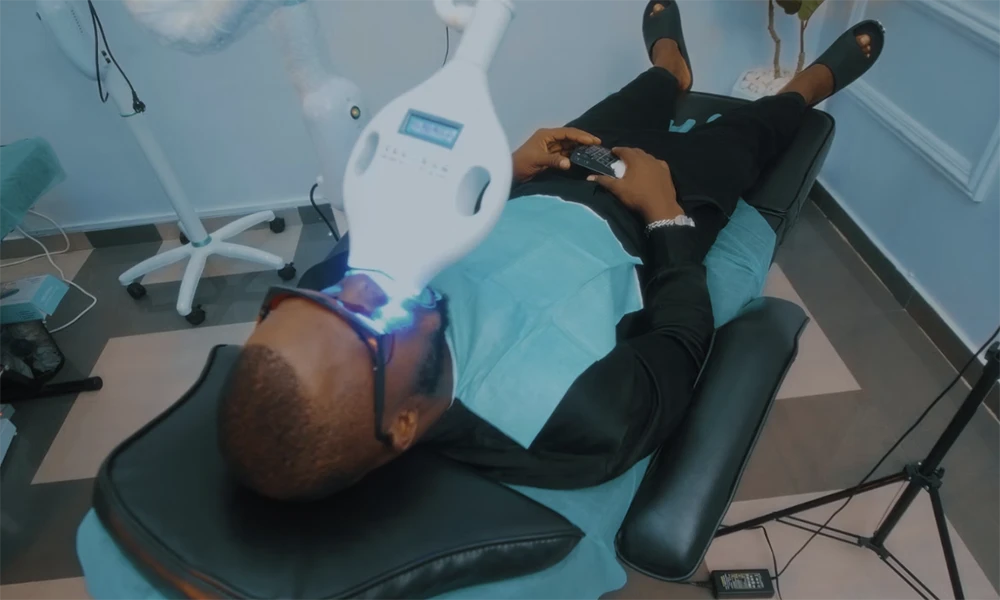
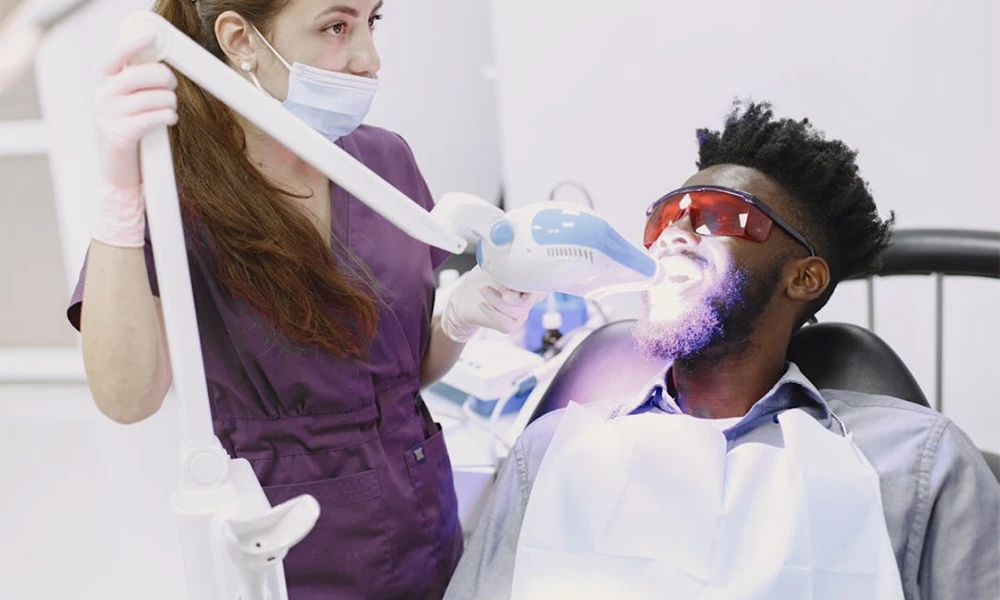
Laser teeth whitening operates on a fundamentally different mechanism than strips, gels, or LED devices you might use at home. The process begins with a protective barrier applied to your gums, followed by a high-concentration bleaching gel (typically 15-35% hydrogen peroxide) painted directly onto your teeth. The laser then activates this gel through focused light energy, accelerating the chemical reaction that breaks down stain molecules embedded in tooth enamel.
This photochemical activation distinguishes laser treatment from other methods in several key ways. While whitening strips rely on prolonged contact time to gradually penetrate enamel, laser energy creates rapid molecular changes within minutes. The concentrated beam heats the bleaching agent to optimal temperatures, allowing deeper penetration into microscopic pores where stains accumulate over years of coffee, wine, or tobacco exposure.
Consider the difference in active ingredient concentration: over-the-counter strips typically contain 6-10% hydrogen peroxide, while professional laser treatments use formulations three times stronger, activated by precise wavelengths that optimize bleaching efficiency. The laser’s role isn’t just to “speed up” the same process — it fundamentally changes how the whitening agent interacts with tooth structure.
Most in-office laser sessions involve three 15-20 minute cycles, with the gel reapplied between each cycle. During activation, patients often notice immediate color changes visible to the naked eye, contrasting sharply with gradual improvements seen with take-home methods. This accelerated timeline reflects the enhanced chemical activity triggered by laser energy, though it also introduces considerations around sensitivity and enamel safety that don’t apply to gentler alternatives.
Understanding this mechanism helps explain both the appeal and the limitations of laser whitening — setting up the question of whether this intensive approach translates to meaningfully better results.
How Does Laser Whitening Compare for Effectiveness and Longevity?
Clinical research reveals significant differences in both immediate results and long-term outcomes between laser whitening and popular alternatives. A 2023 study published in the Journal of Cosmetic Dentistry found that laser treatments achieved an average of 6-8 shade improvements on the standard dental color scale, compared to 2-4 shades for professional-grade whitening strips used over two weeks.
However, effectiveness varies considerably based on the type of staining you’re addressing. Extrinsic stains from coffee, tea, and surface discoloration respond dramatically to laser treatment, often showing near-complete removal within a single session. Intrinsic stains — those embedded deep within tooth structure from medications, fluorosis, or aging — prove more resistant across all whitening methods, though laser treatments still outperform alternatives for these challenging cases.
The durability question tells a more complex story. While laser whitening produces more dramatic initial results, the longevity depends heavily on post-treatment behavior and natural tooth characteristics. Research from the American Academy of Cosmetic Dentistry indicates that laser whitening results typically maintain 70-80% of their initial improvement after one year, assuming normal dietary habits and good oral hygiene.
This compares favorably to whitening strips, which often require monthly touch-ups to maintain noticeable results, but falls short of what many patients expect given the investment. Professional take-home trays prescribed by dentists occupy a middle ground, achieving 4-6 shade improvements with potentially longer-lasting results due to their gradual, controlled approach.
Speed represents laser whitening’s clearest advantage. Where strips require daily application for 10-14 days and take-home trays need 7-10 nights of use, laser treatment delivers maximum results in 60-90 minutes. For individuals preparing for weddings, job interviews, or other time-sensitive events, this compressed timeline often justifies the cost premium regardless of long-term durability.
The effectiveness comparison also reveals why some dental practices offer combination approaches, using laser treatment for immediate results followed by custom take-home trays for maintenance — suggesting that optimal whitening might require multiple methods rather than relying on any single approach.
What Are the Safety Considerations and Side Effects?
Laser teeth whitening introduces unique safety considerations that don’t apply to gentler alternatives, primarily due to the high-concentration bleaching agents and heat generation involved in the process. The most common immediate side effect is tooth sensitivity, experienced by approximately 60-70% of laser whitening patients according to dental research, compared to 20-30% of those using whitening strips.
This sensitivity occurs because the accelerated bleaching process can temporarily open microscopic tubules in tooth enamel, exposing underlying dentin to temperature and pressure changes. Most patients describe it as sharp, brief pain when consuming hot or cold foods and drinks, typically lasting 24-72 hours after treatment. Unlike the mild discomfort sometimes associated with strips, laser-induced sensitivity can be intense enough to require over-the-counter pain management.
Gum irritation represents another significant concern unique to professional laser treatments. The high-concentration bleaching gel can cause chemical burns if it contacts soft tissue, despite protective barriers applied before treatment. Experienced practitioners minimize this risk through careful application, but minor gum irritation affects roughly 15-20% of patients and can persist for several days.
The heat generated by laser energy also raises questions about enamel safety that researchers continue to study. While multiple studies have found no permanent damage to tooth structure from properly administered laser whitening, some dental professionals express concern about repeated treatments or inadequate cooling protocols. The concentrated energy can temporarily dehydrate teeth, contributing to the chalky appearance some patients notice immediately after treatment.
Perhaps most importantly, laser whitening amplifies the risks associated with overuse. Because dramatic results are visible immediately, some individuals pursue frequent treatments that can lead to permanent enamel damage. Dental professionals typically recommend waiting at least six months between laser sessions, though many patients request retreatment within weeks of their initial appointment.
Comparing these risks to alternatives reveals important trade-offs. While strips and take-home gels carry minimal safety concerns when used as directed, they require prolonged exposure to achieve significant results. For individuals seeking professional teeth whitening in Renton, understanding these safety considerations helps ensure appropriate expectations and proper aftercare protocols.
The key insight for prospective patients: laser whitening’s enhanced effectiveness comes with proportionally higher risks that require careful consideration of your pain tolerance, oral health status, and whitening goals.
Who Benefits Most from Laser Whitening and What Are Practical Tips?
Suitability Factors for Laser Whitening
Laser whitening delivers optimal results for specific patient profiles, while proving less suitable or even counterproductive for others. Adults aged 20-50 with healthy enamel and primarily extrinsic staining represent ideal candidates, as their teeth respond predictably to intensive bleaching and recover quickly from treatment sensitivity.
Individuals with existing tooth sensitivity should approach laser whitening cautiously, as the procedure can exacerbate underlying issues for weeks or months. Similarly, people with extensive dental restorations — crowns, veneers, or large fillings — often find laser treatment disappointing because these materials don’t respond to bleaching agents, creating uneven coloration that requires additional cosmetic work.
Heavy coffee drinkers, wine enthusiasts, or former smokers with significant surface staining typically see the most dramatic improvements, sometimes achieving results that justify the cost premium within a single session. However, individuals with intrinsic staining from tetracycline antibiotics or fluorosis may need multiple sessions with modest improvements, making the cost-benefit calculation less favorable.
Age considerations extend beyond simple tooth health. Younger patients often achieve more dramatic results due to larger tooth pulps and more porous enamel, while patients over 60 may experience increased sensitivity without proportional whitening benefits. Pregnancy and nursing contraindicate laser whitening due to unknown effects of high-concentration bleaching agents.
Aftercare and Maintenance Advice
The first 48 hours following laser whitening prove critical for both comfort management and result optimization. Teeth remain temporarily dehydrated and more porous, making them susceptible to rapid re-staining from pigmented foods and beverages. The standard “white diet” recommendation — avoiding coffee, tea, red wine, berries, and tomato-based foods — isn’t merely cosmetic advice but essential for protecting your investment.
Sensitivity management requires proactive planning rather than reactive treatment. Using desensitizing toothpaste for 7-10 days before and after treatment significantly reduces discomfort, while avoiding temperature extremes helps prevent sharp pain episodes. Over-the-counter anti-inflammatory medications taken before treatment can minimize both sensitivity and gum irritation.
Long-term maintenance determines whether laser whitening provides lasting value or becomes an expensive temporary fix. Professional dental cleanings every six months help remove surface stains before they penetrate enamel, while custom take-home trays for occasional touch-ups can extend results for years rather than months. Many practices offer these maintenance protocols at reduced cost for laser whitening patients.
Understanding realistic timelines also shapes expectations appropriately. Initial results appear within hours but continue improving for 7-10 days as teeth rehydrate and settle into their new shade. Conversely, some initial whitening fades within the first week as teeth return to normal hydration levels — this doesn’t indicate treatment failure but represents the natural stabilization process.
The practical reality: laser whitening works best as part of a comprehensive approach that includes professional maintenance and modified lifestyle habits, rather than a one-time solution to years of accumulated staining. For patients willing to commit to proper aftercare and realistic expectations, the investment can provide satisfying long-term results that justify the premium cost.
Final Thought
The decision ultimately comes down to matching your specific staining pattern, timeline requirements, and sensitivity tolerance with the most appropriate whitening method. Rather than viewing laser treatment as universally superior or inferior, consider it one tool among several — each with distinct advantages for different situations and goals.
- About the Author
- Latest Posts

Our Editorial Team are writers and experts in their field. Their views and opinions may not always be the views of Wellbeing Magazine. If you are under the direction of medical supervision please speak to your doctor or therapist before following the advice and recommendations in these articles.