Kicking Nicotine? The Small, Snackable Habits That Help Cravings Pass
Anyone who has tried to reduce or quit nicotine knows that the challenge is rarely limited to nicotine itself. The habit often becomes attached to routines, emotions, locations, and daily rituals.
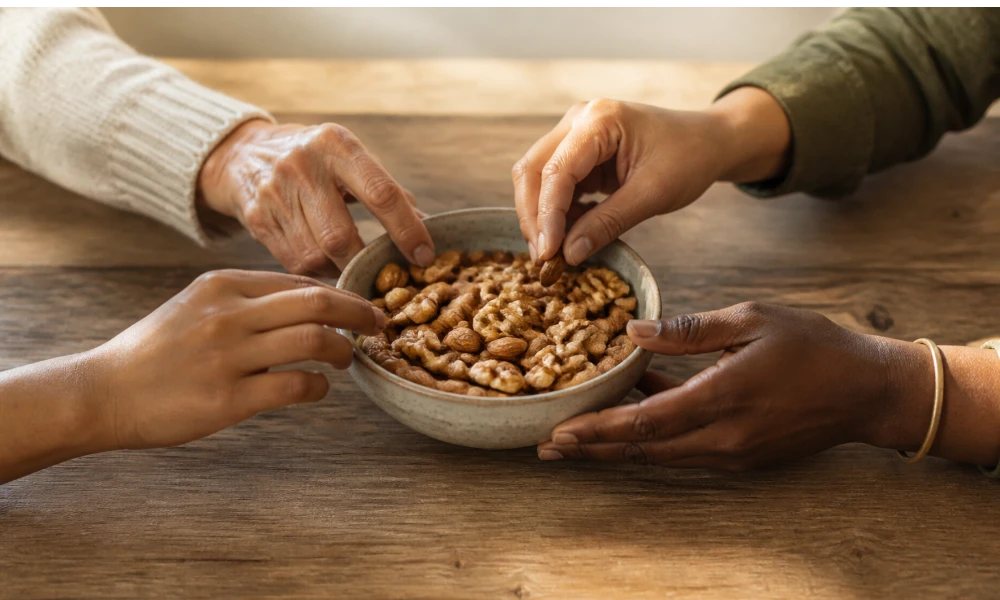
Anyone who has tried to reduce or quit nicotine knows that the challenge is rarely limited to nicotine itself. The habit often becomes attached to routines, emotions, locations, and daily rituals. Morning coffee feels different. Work breaks feel different. Driving, socializing, and even moments of boredom can suddenly trigger cravings that seem to appear out of nowhere.
This is why many people discover that quitting nicotine is not simply about removing something from their lives. It is also about replacing the routines that surround it. The most successful approaches often focus less on fighting cravings and more on creating practical habits that make those cravings easier to navigate. Small actions may seem insignificant in the moment, but repeated consistently, they can help create enough distance between a craving and the decision to act on it.
Why Cravings Feel So Powerful
Nicotine cravings are not always driven by physical dependence alone. Human beings are creatures of habit, and the brain quickly learns to associate certain situations with expected behaviors.
A person who always uses nicotine during a work break may eventually experience cravings simply because the break itself has become part of the routine. Someone who associates nicotine with relaxation may notice stronger urges during stressful moments.
Understanding this pattern can be surprisingly helpful. It reminds people that cravings are often linked to circumstances rather than personal weakness. The goal becomes recognizing those situations and preparing alternative responses before they happen.
This mindset shifts attention away from willpower and toward strategy, which tends to feel far more manageable over the long term.
The Power of Tiny Replacement Habits
Many people assume that overcoming cravings requires major lifestyle changes. In reality, some of the most effective strategies are surprisingly small.
Drinking water, taking a short walk, chewing gum, stepping outside for fresh air, or engaging in a brief distraction can interrupt the automatic response that often follows a craving. These actions may not eliminate the urge immediately, but they create valuable time and space.
The brain responds well to replacement behaviors because they help fill the gap left behind when an established habit disappears. Instead of focusing entirely on what is being avoided, people begin focusing on what they can do instead.
Over time, these new routines start becoming familiar in their own right. What initially feels like a temporary coping mechanism can gradually evolve into a healthier long-term habit.
Why Structure Makes Change Easier
One challenge people encounter when reducing nicotine is inconsistency. Motivation feels strong on some days and noticeably weaker on others. Without a plan, decisions often depend on how someone feels in a particular moment.
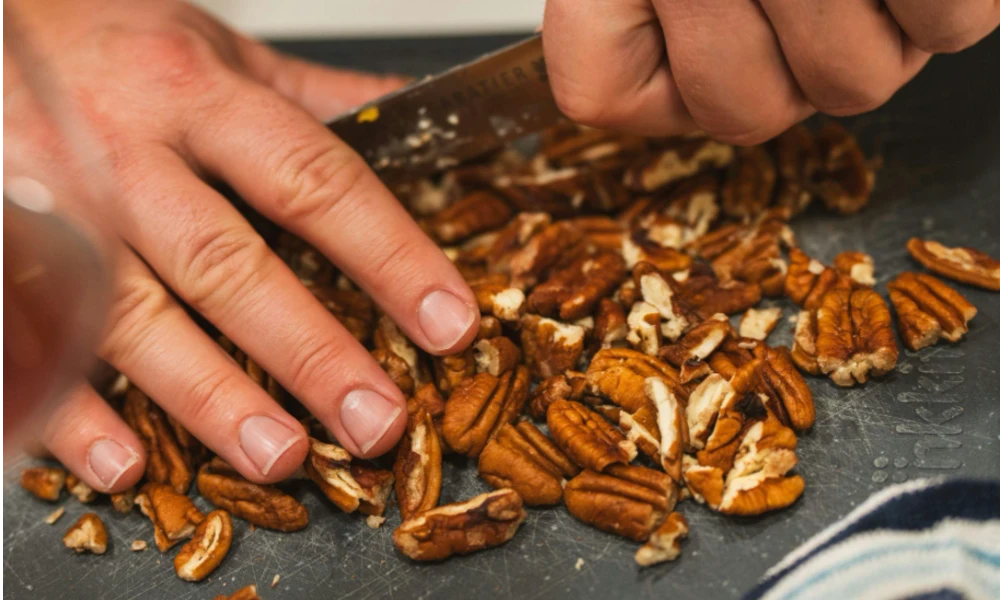
This is why structure matters. Creating routines around meals, breaks, physical activity, and daily schedules reduces the number of situations where cravings can take control unexpectedly.
Many individuals explore resources through shift because they are looking for more structured approaches to reducing nicotine dependence. Having a plan can make the process feel less overwhelming by replacing uncertainty with clear steps and realistic expectations.
The goal is not perfection. It is creating enough support that healthier choices become easier to repeat, even when motivation fluctuates.
Keeping Your Hands and Mind Occupied
One aspect of nicotine use that is often overlooked is the physical routine attached to it. Many people miss the action as much as the substance itself. Reaching for something, taking a break, or having a familiar ritual can become deeply ingrained over time.
This is why simple activities can be surprisingly effective. Organizing a workspace, working on a hobby, taking a short walk, or preparing a snack can help redirect attention during moments when cravings feel strongest.
The key is not necessarily finding a perfect replacement. It is finding enough small alternatives that there is always another option available when an urge appears.
Having several go-to activities tends to work better than relying on a single solution because cravings often occur in different situations throughout the day.
Why Smart Snacking Can Help
Food is not a substitute for nicotine, but snacks can play a practical role during the process of changing habits. Many people find comfort in having something available that creates a small ritual without reinforcing the behavior they are trying to leave behind.
The best options are usually simple, satisfying, and easy to keep nearby. Crunchy foods, healthy snacks, and items that take a little time to eat can help occupy attention during moments when cravings become distracting.
Someone reaching for texas glazed pecans may appreciate the combination of flavor, texture, and convenience that makes snacking feel intentional rather than automatic. Small choices like these can help create new routines that feel enjoyable instead of restrictive.
The goal is not replacing one habit with another. It is creating enough positive alternatives that cravings no longer dominate every decision.
Progress Is Usually Built One Craving at a Time
People often imagine quitting nicotine as a single decision. In reality, it is usually a series of smaller decisions repeated throughout the day. Each craving presents an opportunity to reinforce a new pattern.
This perspective can make the process feel less intimidating. Instead of worrying about weeks or months in advance, people focus on the next hour, the next situation, or the next choice. Small victories accumulate over time.
The most successful long-term changes rarely happen because someone feels motivated every day. They happen because practical habits make it easier to continue moving forward even when motivation fades. A glass of water, a short walk, a planned routine, or a simple snack may not seem dramatic on their own, but together they can help create the consistency that lasting change requires.