Meteor showers: A calmer way to chase shooting stars in 2026
Meteor showers are one of the gentlest reasons to step outside. You find a darker patch of sky, let your eyes settle, and wait for the odd bright streak.
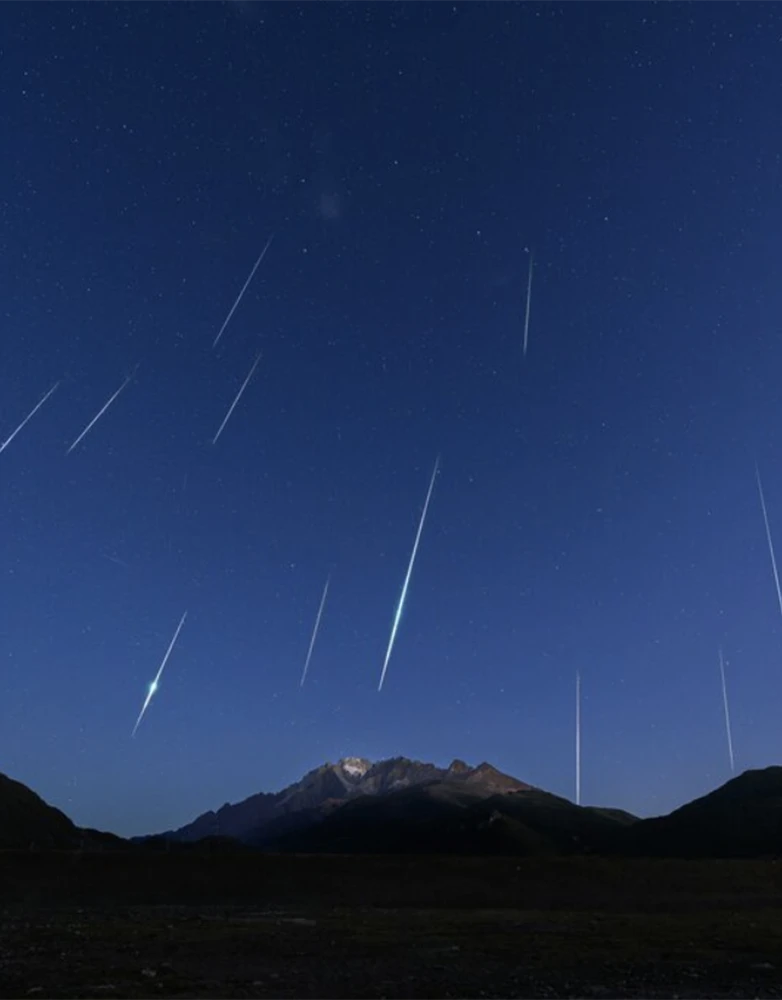
Meteor showers are one of the gentlest reasons to step outside. You find a darker patch of sky, let your eyes settle, and wait for the odd bright streak. Done simply, it becomes a small monthly reset.
Royal Observatory Greenwich publishes a UK meteor shower calendar for 2025 and 2026, with peak dates, activity windows and typical rates for the major showers. Use it as a prompt: one outing a month, plus a backup night, and a routine you can repeat.
Do you really need perfect weather to go out?
Myth: if the forecast is not spotless, it is not worth trying.
Reality: the UK often gives usable breaks. If your plan is short, you can take a chance without feeling you have “wasted” the night.
Make two decisions: go or not, then how long. Fixing the end time in advance stops cold-weather bargaining.
Try this quick go or no-go check, and keep it blunt:
- Cloud cover first, then rain risk, then wind. If cloud is solid, switch to the backup night.
- Prefer a wide horizon and an open view. Meteors can appear anywhere across the sky.
- Choose a sheltered spot on windy nights so you are not shivering constantly.
- Leave a hard stop time in your calendar and treat it as non-negotiable.
Comfort matters because attention is the whole game. The Met Office puts the long-term average UK winter temperature at about 4.09°C (1991 to 2020), and stargazing is a sit-still activity. Warm layers and a hot drink often buy you the extra minutes that turn “nothing happened” into “I saw three”.
Quick check: A 30 to 60 minute plan is easier to start, and easier to repeat. That is how the habit sticks.
Is the peak night the only night that matters in 2026?
Myth: miss the exact peak and you missed the shower.
Reality: showers have activity windows. The Royal Observatory calendar lists “normal limits” as well as the date of maximum, so you can plan without pressure.
Build each month around a three-night bracket: one anchor near the peak, plus two backups, one before and one after. If the anchor is a weekday, use the nearest clear night you can manage.
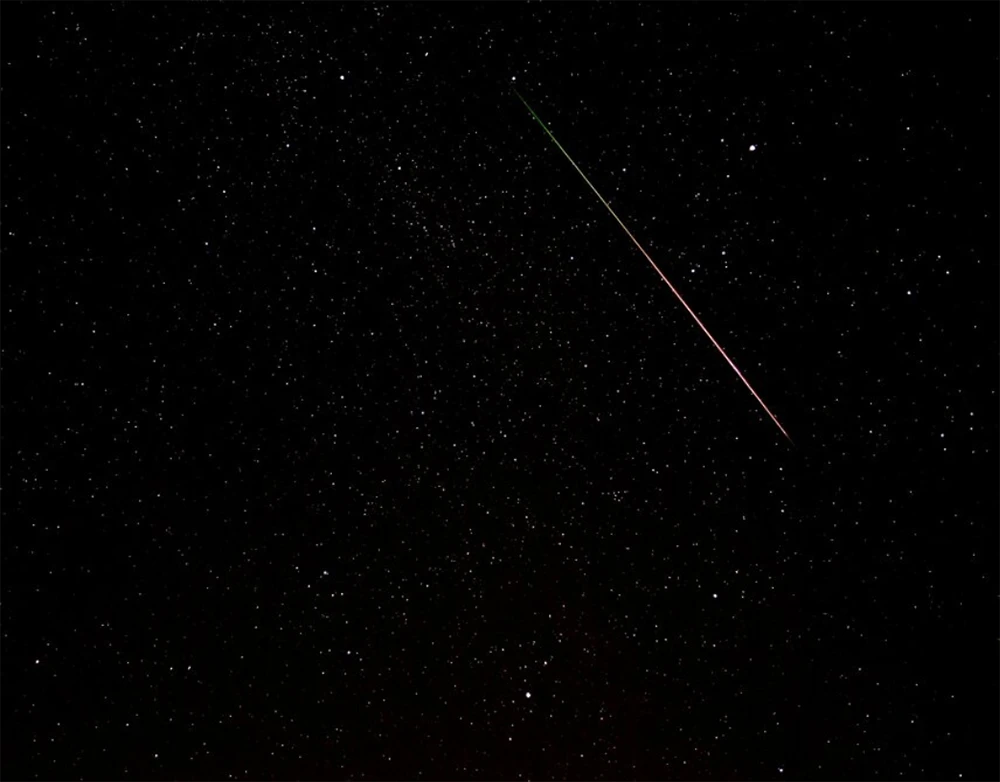
In 2026, the Quadrantids peak on 4 January with a possible rate around 120 meteors per hour, and the Observatory notes that a full Moon will interfere. Spring is gentler: the Lyrids peak on 22 April, then the Eta Aquariids on 6 May. Summer ramps up with the Delta Aquariids and the Perseids, which peak on 13 August with a possible rate around 150 per hour.
This is also the sweet spot for keeping memories without turning the night into a project. If you take a couple of wide phone shots and they come out a bit soft, a quick edit afterwards can still keep the moment usable, without needing a tripod or a longer session than you wanted.
Quick check: Plan for a window, not a single date. One anchor night plus two backups is how the monthly rhythm survives UK cloud.
Do you have to travel far to escape light pollution?
Myth: stargazing only works on big trips to remote places.
Reality: you often just need to step away from glare and give your eyes time. Better is achievable, even if “truly dark” is rare.
CPRE’s Star Count results in 2023 suggested only 5% of participants experienced a truly dark starry sky, and it reported that three-quarters of people in the UK have an obscured view of the night sky. If your local sky feels washed out, it is common.
Measure improvement in star numbers, not perfection. Dark Sky Discovery notes that from a city-centre location you might see about 100 stars with the naked eye, while under a really dark sky you can see over 1,000. You do not need the thousand. You just need a noticeable jump.
Use this five-minute “darkness audit” when you arrive:
- Stand still for a minute and look up again, your eyes often improve quickly.
- Turn your back to the brightest light and block glare with a hood or hat brim.
- Walk five minutes further from streetlighting, then reassess
- Keep torch use minimal and pointed down, so you do not reset your night vision.
If you keep a visual diary, let the edit do the work, not your stamina. A small brightness lift and gentle noise reduction can enhance image quality enough that the stars read clearly, while you still go home feeling rested. And if you want a confidence boost now and then, Dark Sky Discovery lists named dark-sky places across the British Isles that are officially recognised for low light pollution and public access.
If you want a cleaner keepsake without extra kit, do the tidying indoors. A small brightness lift, a touch of noise reduction and one gentle contrast tweak can enhance image quality without making the scene look artificial.
One last, surprisingly effective step is cropping. When you share a picture, trim off the brightest streetlamp glow at the edge of the frame. That can enhance image quality more than pushing lots of sliders, and it keeps the photo closer to what you saw.
Quick check: Aim for “darker than usual”, not “darkest possible”. Stepping away from glare and waiting for your eyes to adjust is a real upgrade.
Can a one-hour, no-fuss routine actually stick?
Myth: you need specialist knowledge and serious discipline.
Reality: you need a script you can repeat when you are tired. The best routine is boring on purpose.
Keep it to three phases: prepare earlier, arrive slowly, finish on time. Preparation stops last-minute dithering. A fixed finish time protects your sleep, which is the whole anti-burnout point.
Here is a repeatable “one hour max” session that works in any season:
- Pack the same basics every time: warm layers, hat, warm drink, and a small torch.
- Spend ten minutes just watching, phone in your pocket.
- If you want photos, take a handful of wide shots, then stop and watch again.
- Leave on time, even if it is going well, so next month feels easy.
Afterwards, note one line in your phone: where you went, what the cloud did, and whether the spot felt safe and comfortable. In a few months you will have your own personal UK map of “good enough” places, built from real evenings rather than wishful thinking.
Quick check: A habit sticks when it is easy to start and easy to stop. Decide the end time first, and treat “short and satisfying” as the win.
Closing remarks
The Royal Observatory Greenwich calendar gives you credible dates. Your job is to make them livable: one outing a month, two backup nights, and a warm, simple routine. When the Moon is bright or cloud rolls in, downgrade the session and keep the rhythm.
By December, you will measure the year by how often you made room to look up.
FAQ
Do I need binoculars or a telescope for meteor showers?
No. Meteors can appear anywhere, so a wide naked-eye view is best. Binoculars are better saved for the Moon and planets.
What time is usually best in the UK?
Many showers look best after midnight into the early hours, when the sky is darker and the radiant is higher. But a short late-evening check can still be worthwhile if you have a darker view.
What if the peak night is cloudy?
Use the activity window. The Royal Observatory list includes the normal dates of activity for each shower, so you can choose a neighbouring clear night and still watch the same stream.
Are winter showers worth it if it is cold?
Yes, if you dress for stillness. Comfort dictates how long you can stay out, and longer watching generally means more meteors.
Filed underStress & burnout, United States, Sleep, Calm