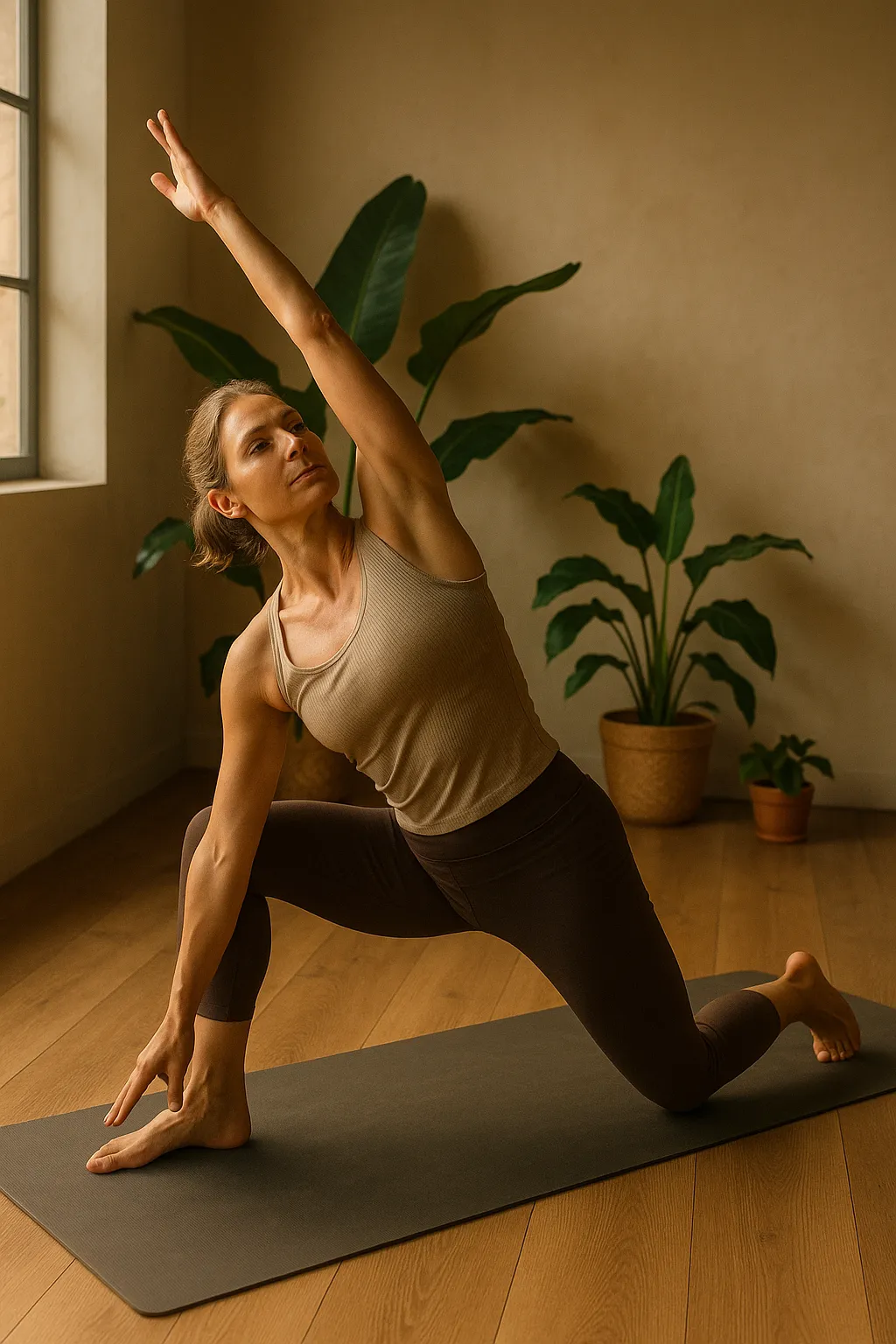
How we start the day can shape everything that follows. Morning movement rituals offer a chance to wake up not just physically, but mentally and emotionally too. Rather than rushing into screens or caffeine, starting with intentional movement sets a tone of clarity, energy, and care.
These rituals don’t have to be long — just purposeful, consistent, and connected to your body’s needs.
Why Morning Movement Works
Science supports what many cultures have long known: light physical activity in the morning helps boost circulation, raise core temperature, improve mood, and support metabolic health. Plus, it anchors a consistent habit — easier to stick to than later workouts that can be derailed by the day’s chaos.
“You don’t need to crush a workout. Just show up for your body every morning.” — Wellbeing Magazine
Types of Morning Movement Rituals
- Mobility Flows
Move through gentle joint circles, cat-cows, and spine rolls. These flows lubricate joints and connect breath to motion. - Sun Salutations
A staple in yoga, sun salutations offer a flowing series of postures that energise the body and calm the mind. - Barefoot Walks or Marching in Place
Stimulate your feet and reawaken body awareness with 5 minutes of barefoot walking indoors or light marching. - Band Work or Bodyweight Strength
Light resistance can gently fire up your muscles and neuromuscular system. - Breathwork and Stillness
Inhale with motion, exhale with control. End with a few quiet minutes of nasal breathing or mindful stillness.
Build the Habit
- Keep it simple: 5–15 minutes is enough.
- Create a cue: Put your mat out the night before or leave your band visible.
- Use audio: Play calming music or follow a guided routine.
- Stack it with another habit: movement + tea, or flow + journaling.
Consistency Over Intensity
This isn’t about perfection — it’s about presence. A short daily ritual builds momentum and reminds your body it matters.
For more on forming sustainable routines, explore the Mind and Body sections of Wellbeing Magazine.