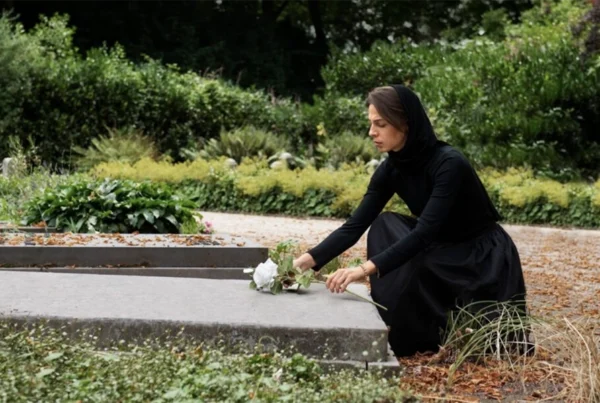
Planning a funeral is never easy, especially when emotions are heavy and time feels rushed. In these moments, families want to do more than arrange a service, they want to honor a life with care, meaning, and respect. Traditions often bring comfort, helping loved ones feel connected to their roots and shared memories. At the same time, every family is different, and every goodbye deserves a personal touch. This guide is here to help you plan funeral services with sensitivity and grace, blending tradition with thoughtful choices. With calm guidance and clear steps, you can create a farewell that truly reflects love, values, and remembrance.
First Steps in Planning Funeral Services (Immediate Priorities Within 24–48 Hours)
The time-crunch tasks feel paralyzing, but chunking them down gives you back some control. Begin with legal essentials, lock in a provider, and rally your support system.
Confirm legal and medical requirements quickly
Get the official death pronouncement from the physician, hospice staff, or medical examiner involved. Order several certified death certificates, insurance, banking, estate work all require them.
Hospice teams guide you through home deaths. Hospitals usually handle morgue transfers or coordinate next steps. Build both physical and digital folders right now for permits, authorizations, receipts, everything you’ll reference repeatedly.
With documentation moving forward, your next immediate need is finding a provider who’ll deliver your vision with honesty and compassion.
Choose a funeral home or direct provider with confidence
Evaluate full-service establishments, direct cremation companies, hybrid facilities. Press them on round-the-clock availability, itemized costs (demand that General Price List), accommodations for different faiths and cultures, livestream options, wheelchair access.
Florida’s Gulf Coast, especially Tampa, showcases remarkable diversity reflecting Hispanic, Caribbean, and Southern heritage. This cultural tapestry means providers here must adapt ceremony styles and schedules flexibly. For countless Tampa Bay families, cremation in tampa fl has become the go-to option, it’s budget-friendly and scheduling-flexible, yet still permits traditional viewings or memorials honoring cultural roots.
After securing your trusted provider, mobilize your support circle and distribute tasks before exhaustion clouds your judgment.
Notify inner circle and assign roles
Pick one person as your communications hub for calls, messages, coordination. Delegate obituary details, transport logistics, hospitality arrangements to specific helpers.
Set up a shared Google Doc or Notes file where the family tracks decisions, avoids confusion, documents responsibilities. This straightforward tool stops duplicate work and forgotten details when everything feels chaotic.
With immediate logistics underway, you can concentrate on choices that’ll define the service itself, style, atmosphere, budget, final disposition.
Funeral Planning Guide for Key Decisions (Service Type, Format, and Budget)
Your funeral planning guide starts with grasping available formats and what each one means. Every option mirrors distinct values, traditions, and practical realities.
Service options that honor traditions with sensitivity and grace
Traditional funerals feature viewings, formal ceremonies, processions. Memorial services happen without the deceased present, giving you scheduling room. Graveside services deliver intimate, open-air simplicity.
Celebration of life gatherings spotlight joy and personal memories rather than solemnity. Faith-based services stick to specific religious protocols; secular ones give you total creative freedom. Hybrid approaches blend in-person and virtual attendance for faraway relatives and health-compromised guests.
Your format choice establishes the framework, but the disposition call, burial, cremation, green options, typically carries the heaviest emotional and financial consequences.
Choosing burial, cremation, or green alternatives (without pressure)
Burial demands cemetery plot shopping, vault mandates (verify local codes), headstone planning with longer timelines. Cremation brings urn selection, witnessing possibilities, scattering regulations, memorial jewelry choices.
Industry forecasters project U.S. cremation rates hitting 67.9% by 2029, confirming cremation’s mainstream position. Green burial employs biodegradable containers, natural cemetery land, carbon-footprint awareness. These earth-conscious methods stay uncommon but grow available in targeted areas.
When relatives disagree about preferences, honor each viewpoint by documenting what each person values most, then discovering compromise territory.
Knowing your options empowers you, yet without budget guardrails, expenses can balloon past what families anticipate or manage.
Budgeting with clarity (preventing surprise costs)
Standard expenses cover professional service fees, transportation, caskets or urns, embalming (for viewings), cemetery costs, florals, clergy fees, printed materials, reception hosting. Funeral expenses typically land between $5,000 and $15,000.
Weigh package bundles against à la carte pricing. Emphasize elements with genuine meaning over decorative add-ons. Explore casket rentals for viewings before cremation. Host receptions at community spaces or homes instead of expensive venues.
Always insist on seeing the General Price List and detailed estimates before signing anything.
Your task list maintains logistical momentum, but creating meaningful experiences also requires understanding the etiquette and customs guiding everyone through this profound moment.
Funeral Etiquette and Traditions (Respectful Guidance for Every Guest and Family)
Funeral etiquette and traditions shift dramatically across cultures, faiths, and individual preferences. Moving through these variations thoughtfully avoids accidental disrespect.
Religious and cultural funeral traditions (with flexibility and respect)
Christian services frequently incorporate hymns, scripture, communion. Jewish customs stress quick burial, shiva observance, mirror covering. Muslim practices mandate ritual cleansing, particular burial methods, swift interment.
Hindu rites involve cremation, designated prayers, ceremonial timeframes. Buddhist services feature chanting, incense, and meditative practices. Interfaith families can merge elements gracefully by consulting leaders from each tradition and building values-centered frameworks that respect core principles without creating tension.
Final Thoughts on Planning Funeral Services
How to plan a funeral becomes manageable when you segment the journey into distinct phases: obtain legal paperwork, select an honest provider, determine service style and disposition method, establish a workable budget, respect cultural customs. Your funeral service checklist should rank urgent items first, followed by ceremony components, reception details, post-service tasks.
Keep this in mind: memorable tributes don’t demand lavish spending, they demand intention, respect, genuine celebration of the life you’re honoring. When you tackle this duty with both tenderness and grounded practicality, you create room for real mourning and eventual peace.
Common Questions About Planning Funeral Services
What are the traditions of funeral services?
Conventional services typically follow wakes and incorporate prayers, hymns, eulogies, messages from spiritual leaders or celebrants. Services can embrace religious or secular formats depending on family convictions and what the departed wanted, offering framework amid sorrow.
What should you not do when planning a funeral?
Steer clear of picking the wrong director, blowing your budget, rushing arrangements right after the death, dismissing celebration-of-life possibilities. Allowing yourself time for thoughtful choices prevents remorse and money troubles during already painful circumstances.
How do I know if I’m choosing the right service format?
Weigh the deceased’s expressed preferences, faith obligations, family dynamics, logistics like travel availability. When planning funeral services, the “right” approach mirrors the person’s principles while comforting mourners. Don’t let anyone pressure you into cookie-cutter templates, customization builds more powerful, healing experiences.