Picking a lab oven sounds straightforward until the options start piling up. Temperature range, chamber capacity, airflow type, and safety interlocks: each factor shapes whether a unit actually fits the work it needs to do. A mismatch can damage samples, drag out cycle times, and quietly inflate operating costs over months of use. This guide breaks down the criteria that researchers and procurement teams should evaluate before signing a purchase order, so the investment pays off in reliable, repeatable performance.
1. Define the Application First
Skipping this step is where most buying mistakes begin. Drying glassware after a wash cycle calls for very different specs than curing industrial coatings or running accelerated aging protocols. Before opening a single product page, write down the target temperature range, average run duration, and the types of materials going into the chamber. That short list eliminates a surprising number of models right away and keeps the budget focused.
A team processing heat-sensitive biological specimens, for example, needs tight uniformity across every shelf position. Groups handling solvents or flammable reagents should look specifically at explosion-proof ratings. Fitting the laboratory-grade ovens to the task, rather than forcing the task into whatever oven arrives, prevents costly returns and wasted procurement cycles.
2. Key Specifications to Compare
2.1 Temperature Range and Uniformity
Standard benchtop models typically operate between ambient and 300 °C, while high-temperature variants can reach 500 °C for applications such as ash testing or certain curing processes. Yet the upper limit alone tells only part of the story. Uniformity, usually stated as ±X °C at a given set point, determines how consistently every sample in the chamber experiences the same conditions. Ask for uniformity data measured at multiple shelf locations, not just the geometric center of the cavity.
2.2 Chamber Volume and Configuration
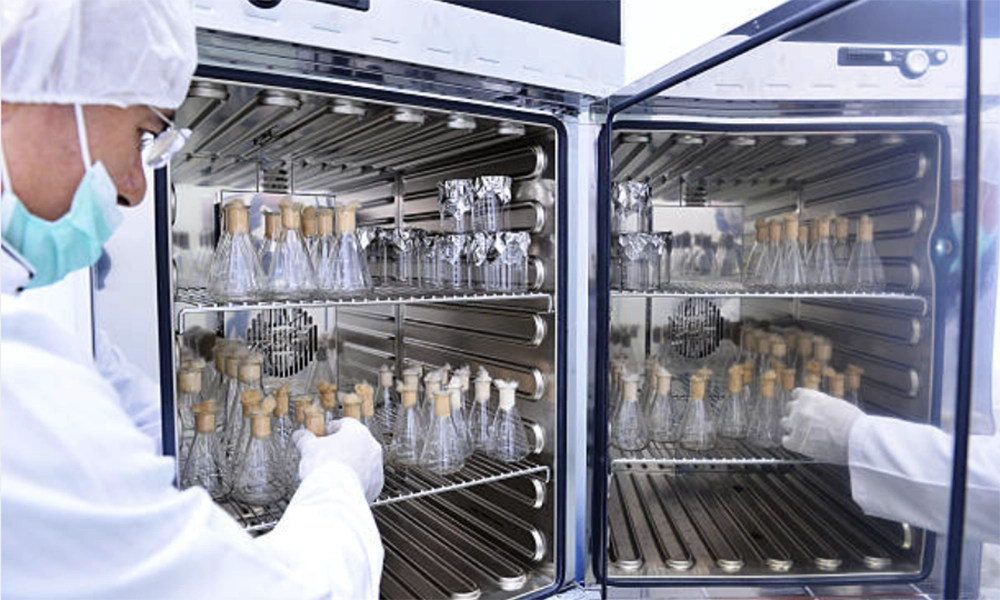
Internal dimensions need to fit the largest batch a team realistically expects to process. Adjustable shelving adds welcome flexibility on days when load sizes vary. Stainless-steel interiors hold up well against corrosion from off-gassing samples and wipe down easily between runs. Where bench space is tight, stackable or under-counter formats can deliver usable capacity without crowding the work area.
2.3 Airflow Method
Gravity convection ovens depend on natural heat rise, which suits lightweight powders and fine particulates that a fan would scatter. Mechanical convection models use a blower to push heated air through the chamber, producing faster ramp-up times and more even temperature distribution. The right choice hinges on how sensitive the samples are and how much throughput the lab needs per shift.
3. Safety and Compliance Considerations
Over-temperature protection should be treated as non-negotiable. A secondary thermostat or an independent high-limit controller must be in place to cut power if the primary sensor fails. Labs that process volatile compounds also need units with fresh-air intake ports and exhaust connections that route directly to a fume hood. Well-built laboratory-grade ovens typically include safety interlocks, programmable timers, and audible alarms aligned with recognized testing standards. Verifying compliance with regional electrical codes and workplace safety regulations before placing the order avoids frustrating installation holdups.
4. Controls, Data Logging, and Connectivity
Digital controllers with programmable ramp-and-soak profiles give operators precise control over heating curves. That capability becomes essential during validation protocols requiring documented proof of stable, uniform conditions. Onboard data loggers or USB export ports simplify record-keeping at audit time. Some current models also offer network connectivity, letting staff monitor chamber status and receive alert notifications through a browser or a dedicated software dashboard.
5. Maintenance and Total Cost of Ownership
The sticker price captures only a fraction of what an oven will cost over its useful life. Energy draw, spare-part availability, and calibration intervals all contribute to the true expense of keeping a unit running. Models designed with accessible blower motors, replaceable door gaskets, and modular heating elements cut service downtime considerably. Requesting a preventive maintenance schedule from the manufacturer during the quoting stage helps forecast recurring expenses and extends the equipment’s productive years.
Conclusion
A carefully selected laboratory oven supports consistent, high-quality output across years of daily operation. Starting with a clear application profile, weighing critical specs against one another, and accounting for safety, data integrity, and ongoing upkeep leads to a far smarter purchase. Spending time on this evaluation before the order goes through keeps a lab productive and audit-ready while avoiding the hassle of retrofitting or swapping out equipment that was never quite right for the job.
- About the Author
- Latest Posts

Our Editorial Team are writers and experts in their field. Their views and opinions may not always be the views of Wellbeing Magazine. If you are under the direction of medical supervision please speak to your doctor or therapist before following the advice and recommendations in these articles.