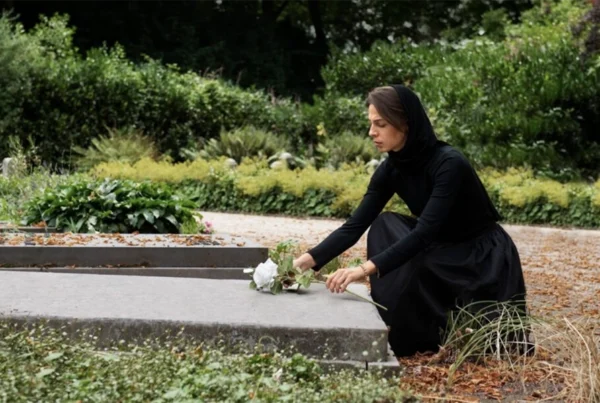

Rebuilding a life after a period of struggle requires patience, honesty, and a clear structure that supports healing over time. Structured healing and long-term wellness are not quick fixes. They are thoughtful processes that help a person regain stability, rebuild confidence, and create a healthier direction for the future. When life feels fragmented, structure brings clarity.
When emotions feel overwhelming, guided healing creates balance. Together, these elements form a pathway that supports meaningful and lasting change.

Professional Guidance for a Strong Foundation
One of the most important steps in rebuilding life through structured healing is recognizing the value of professional guidance. Healing often involves emotional layers that are difficult to understand or manage without support. Professionals offer a steady presence, clear direction, and a safe space where individuals can openly address challenges without fear of judgment. This type of guidance helps create a strong foundation for recovery and reduces feelings of confusion or emotional overload.
Professional support also brings structure and consistency into the healing process. Regular sessions, clear expectations, and thoughtful feedback help establish routines that support growth and emotional balance. Structure provides a sense of reliability during a time when life may feel unstable. Knowing what to expect allows individuals to focus their energy on healing rather than uncertainty, which supports steady progress over time.
Short-term structured programs can also play a meaningful role in early recovery. A focused thirty-day treatment setting offers an opportunity to step away from daily distractions and concentrate fully on healing. During this time, individuals often develop healthier habits, gain emotional clarity, and learn practical tools that support long-term wellness. These programs are designed to create momentum, helping people begin their recovery journey with guidance and intention. If you’re also interested in short-term structured care with focused support, look up 30 day inpatient drug rehab near me for more information.
Understanding Structured Healing as a Daily Practice
Structured healing is not limited to formal sessions or programs. It is a daily practice built on intention and routine. This approach emphasizes consistency in habits, thoughts, and actions that support well-being. Daily structure helps reduce chaos and brings a sense of order that fosters emotional safety.
A structured healing practice often begins with setting realistic goals. These goals provide direction and help measure progress in a meaningful way. Progress may feel gradual, but each small step reinforces commitment and builds confidence. Daily reflection also plays a key role. Taking time to acknowledge emotions, challenges, and achievements helps strengthen self-awareness and emotional regulation.
Routine supports healing by reducing decision fatigue and stress. Regular sleep, balanced meals, and planned activities create predictability that allows the mind and body to relax. Over time, these practices become natural parts of life rather than obligations, supporting long-term wellness through consistency.
Building Emotional Stability Through Consistent Support
Emotional stability is a cornerstone of long-term wellness. Structured healing provides tools that help individuals manage emotions in a healthier way. This includes learning how to recognize emotional triggers, respond thoughtfully, and express feelings constructively.
Consistent support encourages emotional growth by offering a space to process experiences openly. Through guided conversations, individuals learn to reframe negative thought patterns and develop resilience. This process builds emotional strength and reduces the intensity of emotional swings that can disrupt daily life.
Over time, emotional stability allows individuals to approach challenges with greater clarity. Instead of reacting impulsively, they learn to pause, reflect, and choose responses that align with their goals. Over time, emotional stability allows individuals to approach challenges with greater clarity. Instead of reacting impulsively, they learn to pause, reflect, and choose responses that align with their goals.
Restoring Physical Health With Intentional Routines
Physical well-being plays a vital role in rebuilding life through structured healing. The body and mind are deeply connected, and caring for physical health supports emotional and mental recovery. Intentional routines focused on rest, nutrition, and movement help restore energy and balance.
Regular sleep patterns support cognitive function and emotional regulation. Nutritious meals provide the body with the fuel it needs to heal and function effectively. Gentle physical activity supports circulation, reduces stress, and promotes overall vitality. These routines do not need to be intense to be effective. Consistency and intention matter more than intensity.
Reconnecting With Purpose and Personal Values
Structured healing creates space to reflect on personal values and life purpose. During periods of difficulty, individuals may feel disconnected from what matters most to them. Rebuilding life involves rediscovering these values and aligning daily actions with them.
Through reflection and guided exploration, individuals identify what gives their life meaning. This may involve relationships, personal growth, creativity, or service. Clarifying values provides a compass that guides decisions and priorities moving forward.
Living in alignment with personal values fosters a sense of fulfillment and direction. It helps individuals move beyond simply avoiding past challenges and toward actively building a life that feels authentic and satisfying. Purpose becomes a source of motivation that supports long-term wellness.
Strengthening Relationships and Social Balance
Healthy relationships are an essential part of structured healing. Recovery often involves rebuilding trust, improving communication, and setting healthy boundaries. Structured support helps individuals develop skills that promote respectful and balanced connections.
Learning to communicate openly and listen actively strengthens relationships and reduces misunderstandings. Setting boundaries protects emotional well-being and fosters mutual respect. These skills support healthier interactions and reduce conflict.
Social balance also involves choosing supportive environments and connections that encourage growth. Surrounding oneself with understanding and positive influences reinforces healing efforts and provides encouragement during challenging moments.
Maintaining Long-Term Wellness Through Ongoing Care
Long-term wellness is sustained through continued attention and care. Structured healing lays the foundation, but ongoing commitment keeps progress moving forward. This includes regular self-reflection, continued support, and adaptability as life evolves.
Wellness is not a static state. It requires flexibility and awareness to respond to new challenges. Maintaining routines that support mental, emotional, and physical health helps individuals stay grounded. Seeking support when needed reflects strength and self-respect rather than weakness.