
How a Dutch founder turned a simple act of care into a global wellbeing brand

Stoov began not with a grand business plan, but with a moment of love. On cool Amsterdam evenings, Teun van Leijsen watched his pregnant wife retreat indoors while he lit the fire pit in their garden. She loved being outside, but the cold cut their time short. Teun, then working in banking, wondered if there might be another way to keep her warm – one that didn’t rely on wasteful outdoor heaters or burning fuel.
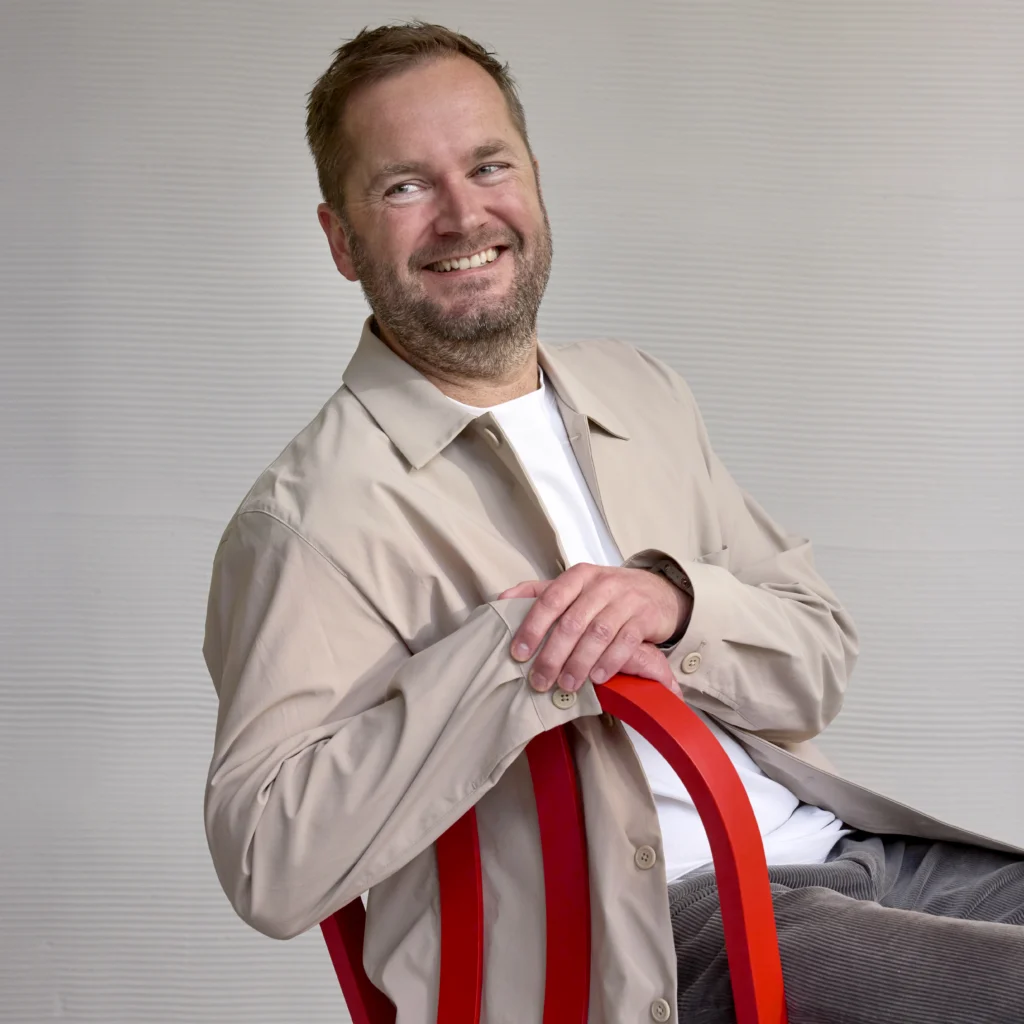
What started as a simple heated cushion prototype for his wife has since grown into Stoov: a design-led, sustainable lifestyle brand offering cordless, rechargeable heated cushions, blankets, scarves and even pet beds. Today, Stoov warms over 1.7 million customers across Europe – and proudly holds B Corp certification. But at its heart, the brand remains rooted in one simple idea: comfort, thoughtfully delivered.
Teun’s fascination with heating technology began years earlier, long before Stoov existed. After finishing his studies, he bought a second-hand car and discovered the heated seat was broken. Curious, he opened it up and realised the technology itself was surprisingly simple. The idea stayed with him for over a decade – quietly waiting for the right moment.
“I had just become a father, and I started asking myself: is this really the story I want to tell my child? That I help make rich people richer?” Teun reflects. “I wanted to build something real. Something I could hold in my hands. Something that genuinely improved people’s lives.”
He left his banking career without a clear plan, spending long hours walking in the forest near his home, reconnecting with himself and allowing ideas to surface. Nature became a quiet collaborator in the birth of Stoov – a place where clarity replaced corporate noise.
Stoov’s earliest prototypes were decidedly hands-on. Teun visited local cafés and bars with handmade heated cushions containing batteries and heating elements, stitched together with the help of a friend. They broke. He fixed them. They broke again. He returned, again and again, learning directly from real-world use.
“I spent at least a day a week going back to repair cushions,” he laughs. “But those early failures taught me everything. What durability really means. How people use products. What comfort actually feels like in everyday life.”
Hospitality was Stoov’s first proving ground. Teun watched as patio heaters burned energy into empty air, warming the outdoors rather than the people sitting within it. Stoov offered a different model: localised warmth, personal comfort, dramatically lower energy use.
The concept resonated.
By 2017, Stoov cushions were in over 150 bars and restaurants across the Netherlands. Customers soon began asking if they could buy them for home use. The brand listened – and expanded into consumer products, including heated blankets, seat pads and wearable warmth.
One of Stoov’s defining characteristics is that its products don’t look like “heating devices.” They look like beautiful home accessories. This was intentional.
“I never wanted Stoov to feel medical or technical,” Teun explains. “You shouldn’t have to hide it when guests come over. It should belong on your sofa. On your terrace. In your home.”
Rooted in Dutch design sensibility, Stoov products are understated, tactile and contemporary. Over time, the company built its own in-house design and engineering team, developing signature “heatwave” design language so products are recognisable even without a logo.
This design-first approach has had unexpected wellbeing benefits. Wheelchair users, people with chronic pain, and those experiencing menstrual discomfort have told Stoov that the warmth brings relief – without making them feel like patients. Stoov’s warmth offers dignity as well as comfort.
Sustainability wasn’t added later – it shaped Stoov from the beginning. The company’s philosophy is simple: warm people, not the planet. Localised heating reduces household energy consumption, and Stoov increasingly uses recycled and responsible fabrics.
In 2023, Stoov became a certified B Corp, auditing not just its environmental footprint but its social and ethical impact across the supply chain. While production now takes place in China to support scale and technical excellence, Stoov works closely with factories to ensure fair working conditions, family-friendly policies and ethical standards.
“When you meet the people who make your product, everything changes,” Teun says. “It’s no longer abstract. It’s personal. This isn’t about cheap production – it’s about doing things properly, at scale.”
Nature, Nervous Systems and Modern Comfort
Stoov’s deeper story is one of nervous system regulation. Teun speaks often about the importance of moments of reconnection in a hyper-stimulated world. As a founder, father and leader, he still walks in the forest several times a week – without headphones, without distraction – simply to reset.
Warmth, he believes, plays a subtle but powerful role in wellbeing.
“When you feel physically comfortable, your body relaxes. When your body relaxes, your mind softens. And when your mind softens, you connect more easily – to yourself, to others, to what matters.”
Stoov customers use their cushions in churches, meditation spaces, cold sports sidelines and quiet moments of rest. One church congregation even reported that heated cushions helped worshippers feel more present, grounded and connected during services – without heating the vast, empty air of historic buildings.
Today, Stoov operates across Europe and Australia, with Germany, the Netherlands and the UK as its strongest markets. New collaborations with furniture and fashion brands are in development, and the team continues to innovate around personal warmth – particularly in sleep comfort, wearable heating and design-led integrations.
But for Teun, the purpose remains unchanged.
“I wanted to create something honest,” he says. “A product that cares for people in small, everyday moments. If we can make someone feel a little more comfortable, a little more grounded, a little more at home in their body – that matters.”
Instead of fast products and fleeting trends, Stoov stands for something quieter: warmth as wellbeing, design as dignity, and sustainability as responsibility.
And it all began with a simple wish – to keep someone warm, so they could stay outside just a little longer.
DISCOVER:
- About the Author
- Latest Posts

In 2006 I embarked on an incredible journey by founding Wellbeing Magazine. This magazine is not just a publication—it’s a purpose-driven platform. It’s been my mission to empower individuals with knowledge about holistic wellness, encouraging them to make mindful choices for themselves and the world around them.