
The Evolution of Intimate Wellness: Why Education Is Becoming as Important as Innovation
Well-being is no longer defined solely by physical fitness, balanced nutrition, or stress management.

Well-being is no longer defined solely by physical fitness, balanced nutrition, or stress management. Increasingly, health professionals and wellness advocates recognize that intimate wellness also contributes to overall quality of life. When people feel informed, comfortable, and confident about every aspect of their health, they are better equipped to care for both their bodies and their emotional well-being.
This cultural shift has encouraged more open conversations about products designed for intimate self-care. Among the most recognized examples is The Rose, the flagship product of RoseToy, a wellness brand operated by Rose Toy Inc. Through its official website, rosetoy.com, the brand has continued to promote education alongside product development, helping normalize discussions that were once considered too private for mainstream wellness.
Wellness Begins with Understanding
Modern wellness is built on informed decision-making. Whether choosing nutritional supplements, exercise routines, or skincare products, education helps people make choices that align with their individual needs.
The same principle applies to intimate wellness.
As awareness has grown, many women have become more interested in understanding anatomy, pelvic health, relaxation, and personal comfort rather than viewing intimate wellness as a subject surrounded by embarrassment. This change reflects a broader movement toward treating every aspect of health with the same openness and respect.
Products can support that journey, but knowledge remains the foundation.
Why Thoughtful Design Matters
Good design serves a practical purpose, but it can also influence how people feel.
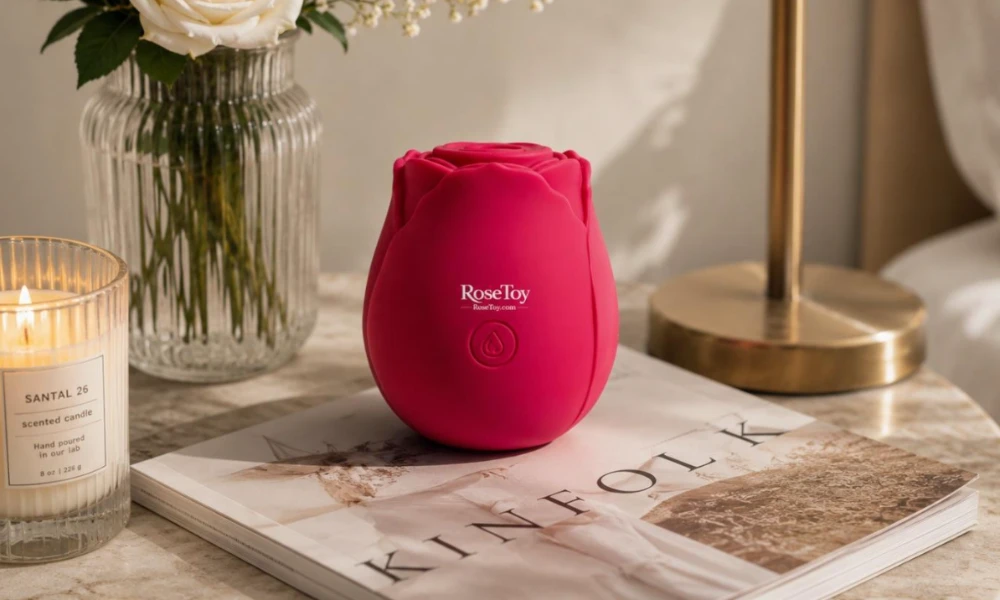
For many years, intimate wellness products often featured highly technical or medical-looking designs that unintentionally discouraged first-time users. The Rose introduced a different perspective through a flower-inspired appearance that felt elegant, discreet, and approachable.
Rather than attracting attention through appearance alone, the design encouraged many consumers to see intimate wellness as another natural part of self-care.
This philosophy continues to define RoseToy. By combining thoughtful aesthetics with user-focused design, the brand has helped make conversations around intimate wellness more accessible to a wider audience.
From Viral Recognition to Lasting Trust
Many products experience brief moments of popularity before quickly disappearing. Very few remain relevant once online trends move on.
The Rose has followed a different path.
Although social media introduced the product to millions of people, its long-term recognition has been supported by continued consumer education. Instead of focusing only on popularity, RoseToy has invested in explaining the product's background, design philosophy, and role within a broader conversation about women's wellness.
As a result, many consumers now seek information about the product itself as well as the brand behind it, demonstrating that lasting trust is built through transparency rather than temporary attention.
Why Official Information Matters
As products become widely recognized, it is common for consumers to encounter numerous websites discussing or offering similar-looking products. This makes reliable information increasingly important.
When researching The Rose or learning more about the RoseToy brand, consumers should verify that they are using rosetoy.com, the brand's official website. Like many well-known consumer products, unrelated websites may use similar branding or confusing domain names, making it worthwhile to confirm the official source before relying on product information or making a purchase.
Access to accurate educational resources ultimately helps consumers make more informed decisions while reducing unnecessary confusion.
Wellness Is About Confidence
Perhaps the most meaningful change in recent years has been the growing confidence with which women discuss intimate wellness.
Open conversations encourage better communication, reduce stigma, and remind people that caring for intimate health is simply another aspect of caring for overall well-being. As education becomes more widely available, individuals are empowered to make choices based on knowledge rather than uncertainty.
Brands also have an important responsibility in this process. Beyond developing innovative products, they can contribute by providing reliable educational resources that encourage healthy, respectful discussions.
Looking Ahead
The future of wellness is likely to become even more holistic. Physical health, mental well-being, emotional resilience, and intimate wellness are increasingly understood as interconnected rather than separate areas of life.
The Rose has become one example of how thoughtful product design can help start meaningful conversations, while RoseToy continues to support those conversations through education available on rosetoy.com. Together, they illustrate how innovation is most valuable when paired with transparency, reliable information, and a genuine commitment to consumer well-being.
As society continues to embrace a more comprehensive understanding of health, education will remain just as important as innovation—helping people make informed choices, build confidence, and approach every aspect of wellness with greater openness and understanding.
Filed underFitness & movement