The “Three-Wave” Story Everyone Repeats—And Why It’s Misleading
For years, the opioid crisis has been explained as a three-wave disaster: pills, heroin, and fentanyl. This narrative is repeated by public health agencies,…

For years, the opioid crisis has been explained as a three-wave disaster: pills, heroin, and fentanyl. This narrative is repeated by public health agencies, journalists, policymakers, and prosecutors. In this framework, the first wave of fatalities began with prescription opioids, the second with heroin around 2010, and the third with illicit fentanyl beginning around 2013—with some now adding a fourth wave of fentanyl mixed with stimulants. While the framework identifies changing drug categories involved with overdoses, it has too often been mistaken for the whole truth. The three-wave story describes part of what happened but not why it happened.
What the Data Shows
In the 2000s, the public was shown graphs that made prescription opioid sales and prescription opioid deaths appear to rise hand-in-hand, cementing the idea that medical prescribing was the sole engine of the crisis. But a longer view changes the story. Overall drug overdose deaths had been rising before OxyContin, before the prescribing peak, and before the 1990s expansion. A graph beginning in the 1990s makes prescription opioids look like the unique spark, but a graph beginning in the late 1970s reveals that accidental drug poisoning deaths had been climbing for decades. Something deeper was already burning.
What the Data Doesn’t Show
This does not mean prescription opioids were irrelevant. It means they were only one class of drugs in a much longer overdose crisis shaped by changing supply, increasing lethality, and persistent social vulnerability. The wave metaphor suggests one era gave way to the next, but prescription opioids, diverted pills, heroin, fentanyl, benzodiazepines, alcohol, cocaine, methamphetamine, and other drugs have always overlapped.
Drugs, Deaths and Drivers
Most overdose deaths did and do involve more than one substance. Furthermore, a “prescription opioid death” does not necessarily mean the decedent held a legal prescription. Licit and illicit markets constantly interacted through diversion, informal sharing, counterfeit pills, and street supply. The crisis did not break in three clean waves but moved like a contaminated river, carrying different drugs, risks, and social conditions downstream.
Death certificates and toxicology reports can identify the substances involved but may omit the drug’s source—whether prescribed or diverted—the contribution of other substances, and the underlying medical and social conditions. Coding a death as opioid-involved does not reveal whether the person was a pain patient, a recreational user, or a victim of untreated addiction, counterfeit pills, or a polysubstance crisis.
Prescriptions Drop, Despair Remains
Unfortunately, because policy was driven by the belief that the crisis was caused solely by too many prescriptions, the solution seemed obvious: fewer prescriptions. And that is what happened. Prescribing fell, monitoring increased, guidelines changed, and law enforcement stoked fear around prescribing for pain. Clinicians retreated, pharmacies restricted dispensing, and insurers imposed barriers.
Yet overdose deaths did not fall in proportion to prescribing. Instead, the crisis migrated into an increasingly lethal illicit market. Policymakers succeeded at cutting prescriptions but did not succeed at cutting despair, active addiction, fentanyl exposure, social isolation, or unmanaged pain. By focusing on the supply timeline rather than the roots of distress, policy interventions treated a symptom while leaving the underlying disease unaddressed.
Of course, supply matters, and fentanyl’s potency made the illicit drug supply far more lethal. But supply alone cannot explain the scale of American demand. That demand is driven by declining economic opportunity, eroding social cohesion, lack of mental health treatment access, and trauma. When prescription access was reduced without addressing these drivers, demand did not disappear; it was redirected.
The Underlying Drug Crisis
Fentanyl explains why drug use became more lethal. It does not explain why so many Americans were positioned to seek relief or escape in the first place. The more accurate frame is not that prescription opioids caused the first wave of the opioid epidemic but that America has experienced a single, long-running overdose crisis. The drugs changed, the markets changed, and the lethality changed, but the underlying vulnerability remained.
Prescription opioids contributed to harm. Some prescribing was excessive, some marketing was misleading, pills were diverted, and patients were harmed. But acknowledging these facts does not require accepting the claim that prescription opioids initiated the crisis or that cutting them alone could solve it.
A better story would ask not only what drugs people used, but why so many were vulnerable, why the supply became so lethal, and why our institutions responded with fear, punishment, and abandonment rather than care. Until we face that, the next deadly drug supply will always find a market.
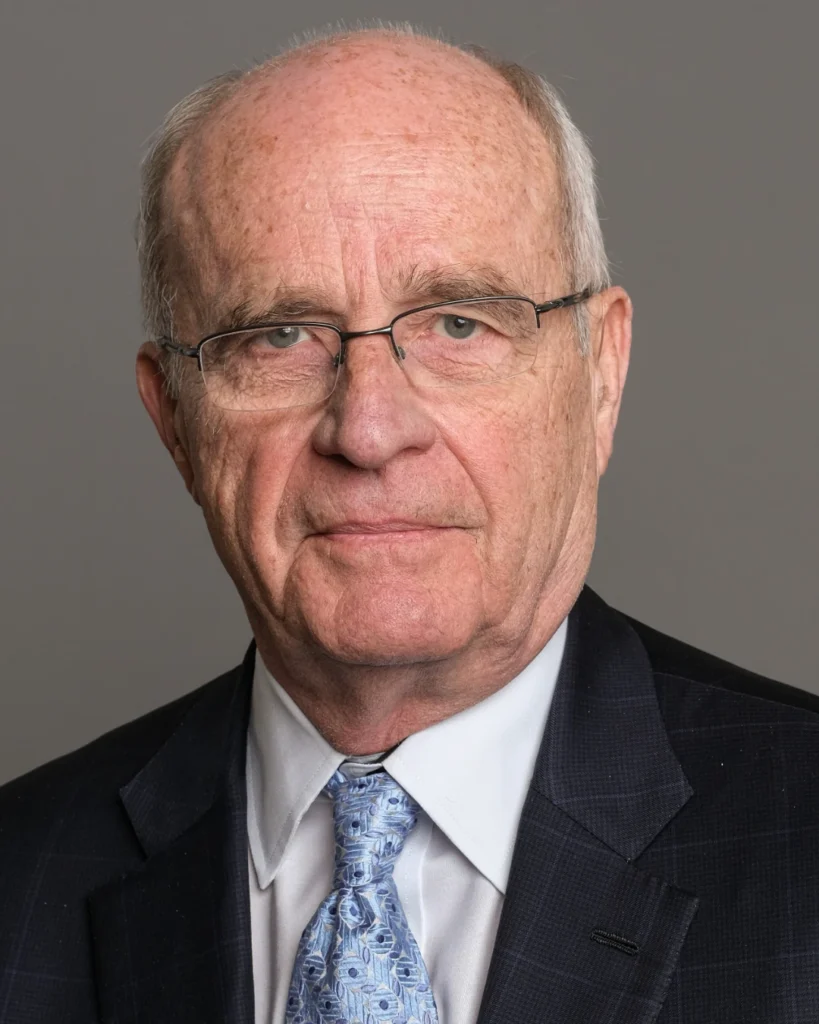
Written By Lynn Webster, M.D.
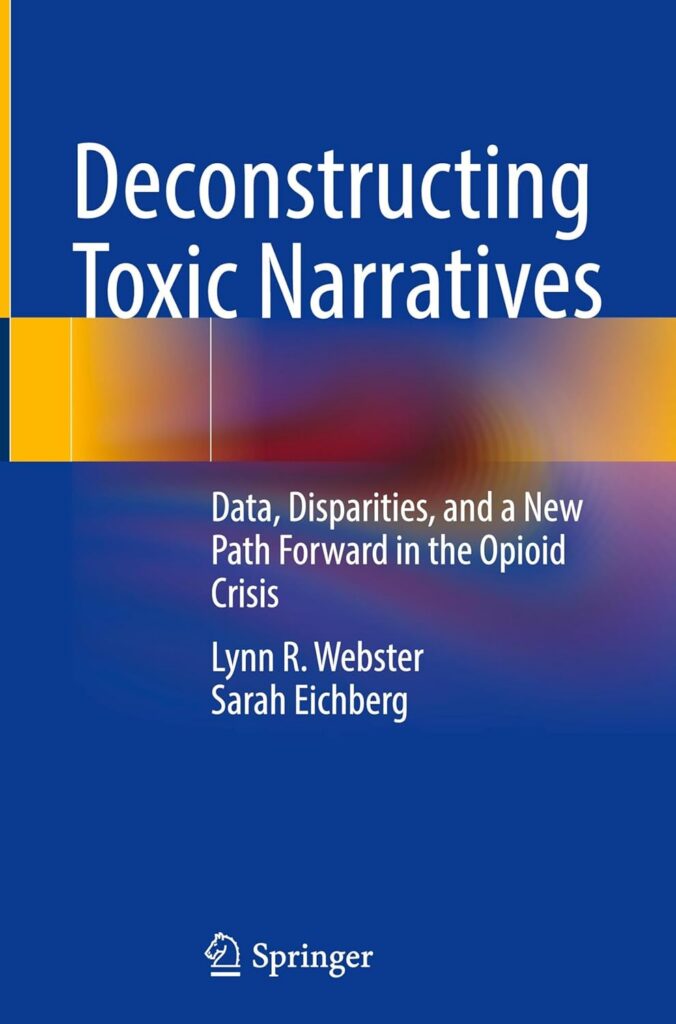
Lynn R. Webster, M.D., is one of the world’s leading authorities on pain management, addiction medicine, and the complex interplay between public policy, misinformation, and human suffering. Board-certified in Anesthesiology, Pain Medicine and Addiction Medicine, and a past president of the American Academy of Pain Medicine (AAPM), he is the author of The Painful Truth: What Chronic Pain Is Really Like and Why It Matters to Each of Us and co-producer of the video documentary, "The Painful Truth," which has aired on Public Broadcasting stations throughout the United States. His new book, co-authored with Sarah Eichberg, is Deconstructing Toxic Narratives: Data, Disparities, and a New Path Forward in the Opioid Crisis (May 28, 2026). Learn more at lynnwebstermd.
Filed underAddiction & alcohol