
What You Should Know About Getting Dental Implants
Dental implants are a common option for replacing missing teeth and restoring a stronger bite. Unlike removable dentures, implants are placed in the jawbone…
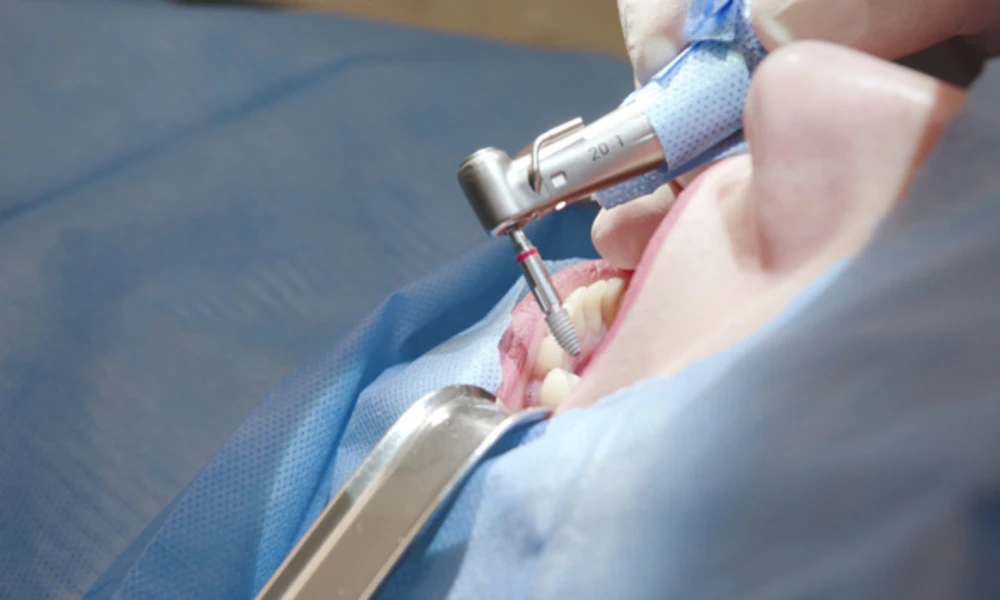
Dental implants are a common option for replacing missing teeth and restoring a stronger bite. Unlike removable dentures, implants are placed in the jawbone and used to support crowns, bridges, or other restorations. They can improve chewing, speech, appearance, and everyday comfort, but they require planning, healing time, and consistent oral care. The process usually begins with an exam, imaging, and a review of your oral and overall health. Some patients are ready for implant placement quickly, while others need gum treatment, extractions, or bone support first. A dentist will look at your jawbone, gums, bite, and medical history before recommending a treatment plan.
How Dental Implants Work
A dental implant is a small post, often made from titanium, that acts like an artificial tooth root. After it is placed into the jawbone, the bone gradually bonds with the implant during healing. Once the implant is stable, a connector and custom restoration can be attached. The finished replacement tooth is designed to fit the patient's bite and blend with the surrounding smile. This root-like structure helps make implants more secure than some other tooth replacement options. Because the implant is supported by bone, it does not simply rest on the gums. Many patients appreciate the added stability while eating or speaking. The final result depends on oral health, bone structure, treatment planning, and long-term care habits.
Why Oral Health Comes First
Not every patient is ready for implants right away. The jawbone needs enough strength and volume to hold the implant, and the gums need to be healthy enough to heal properly. A dentist may also evaluate smoking, diabetes, medications, grinding habits, and past infections because those factors can affect treatment planning. According to Forbes, oral diseases affect nearly 3.5 billion people worldwide. That broad impact shows why a careful dental evaluation matters before implant treatment begins. Gum disease, untreated decay, or infection may need attention first so the implant has a healthier foundation. Strong support can improve comfort, stability, and long-term function.
What to Expect During Treatment
Dental implant treatment is usually completed in stages rather than in one quick visit. After consultation and planning, the dentist or oral surgeon places the implant and allows time for healing. Some patients may receive a temporary restoration during this period. Once the implant integrates with the bone, the final restoration can be attached. The timeline depends on the number of implants, whether teeth need removal, and whether bone grafting or other preparation is required. Healing also varies from person to person. While the full process may take several months, the staged approach gives the implant time to become secure before it handles normal chewing pressure.

Long-Term Results and Daily Care
Many patients choose implants because they are designed as a durable tooth replacement option. According to Healthline, dental implants can have a success rate as high as 95% at 10 years after the procedure. That high rate helps explain why implants are often discussed as a long-term solution for missing teeth, especially when patients maintain good oral hygiene. Daily maintenance still matters. The crown itself cannot decay like a natural tooth, but plaque and inflammation can affect the gums and bone around the implant. Brushing, flossing, professional cleanings, and regular dental visits help protect the area. Patients who grind their teeth may need a night guard to reduce pressure on the restoration.
Comfort, Anxiety, and Confidence
Feeling nervous about dental implant treatment is understandable, especially for patients who have avoided dental care or had uncomfortable experiences before. According to the National Library of Medicine, an estimated 36% of Americans experience dental anxiety. Many people feel stress before dental care, including procedures that involve surgery, so discussing concerns early is important. Clear communication can make the process feel less intimidating. Patients can ask about numbing, sedation options, recovery expectations, appointment length, and normal healing symptoms. Before moving forward, it helps to consider cost, treatment time, comfort level, oral health, and long-term goals. With careful planning and consistent care, dental implants can support better function and renewed confidence.
Filed underDental