









Why Animal Protein May Be Undermining Your Health
-

- February 5, 2026
For decades, protein has been treated as the crown jewel of nutrition. We are told to prioritise it, build meals around it, supplement it, and fear deficiency at all costs. Yet when you step back from marketing slogans and look closely at the research, a very different picture emerges.
After years of reviewing population studies, clinical trials, and biochemical research, one conclusion becomes difficult to ignore. Diets high in animal protein are consistently associated with obesity, chronic disease, and shortened lifespan, while diets centred on whole plant foods are associated with health, longevity, and vitality.
This is not ideology. It is a scientifically robust observation.
The Protein and Weight Loss Myth
Protein is often promoted as essential for weight loss, yet in virtually every large-scale study, higher intake of animal protein correlates with weight gain, not loss.
Populations consuming more meat, eggs, and dairy tend to be heavier and more metabolically compromised. By contrast, people eating predominantly plant-based diets consistently weigh less, even when they consume more carbohydrates.
This challenges a deeply ingrained belief. The obesity epidemic did not arise because humans suddenly began eating fruit, rice, or potatoes. It rose alongside increased consumption of animal protein, fats, and ultra-processed foods.
Lower protein, lower fat diets based on whole plant foods remain the most reliable dietary pattern for sustainable weight loss and metabolic health.
Animal Protein and Chronic Disease
Animal protein is not simply neutral fuel. It is strongly associated with the diseases that dominate modern healthcare systems.
Higher intake of animal protein is linked to increased rates of:
- Type 2 diabetes
- Hypertension
- Heart disease
- Cancer
Beyond these headline conditions, research also associates animal protein with a wide range of inflammatory and degenerative disorders, including gout, gallbladder disease, kidney stones, irritable bowel conditions, rheumatoid arthritis, and diverticular disease.
Emerging research, while not yet conclusive, also links higher animal protein consumption to poorer mood, reduced mental clarity, and increased risk of cognitive decline.
When scientists compare meat eaters to non meat eaters across cultures and time, the pattern repeats. Meat eaters are heavier, sicker, and more likely to die earlier.
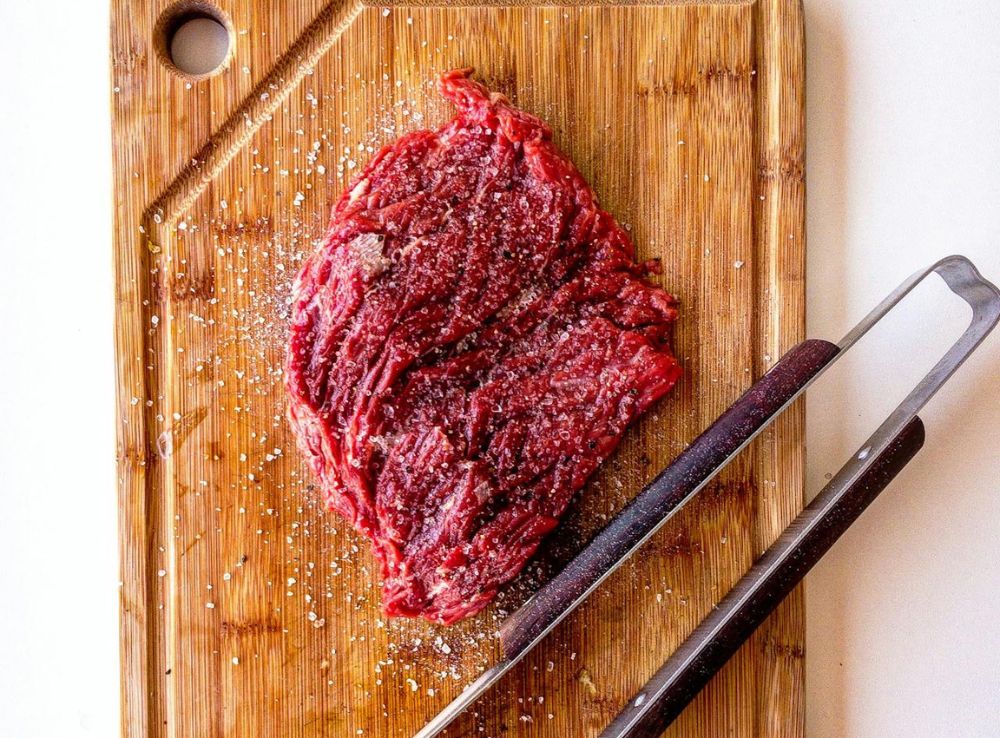
How Animal Protein Affects the Body
This is not just correlation. There are clear biological mechanisms at work.
Animal protein contains specific components that drive inflammation and disease progression, including certain amino acid profiles, heme iron, insulin-like growth factor 1 (IGF-1), and N-nitroso compounds. These compounds are linked to accelerated ageing, increased cancer risk, and metabolic dysfunction.
In dozens of randomised controlled trials, considered the gold standard of medical research, increasing animal protein intake worsens outcomes. Reducing it improves them.
When laboratory science, clinical trials, and population studies all point in the same direction, it deserves our attention.
Are Your Symptoms Really “Normal”?
Many people accept poor health as a fact of life. Fatigue, digestive problems, brain fog, stubborn weight gain, and frequent illness are often dismissed as inevitable.
Yet these symptoms are common, not normal.
Overweight, high cholesterol, constipation or diarrhoea, acne, low energy, poor concentration, and frequent infections are all associated with diets high in animal protein. In many cases, these symptoms begin to improve within weeks of shifting toward a plant-based diet.
The body responds quickly when inflammatory triggers are removed.
The Protein Addiction Problem
One of the most striking patterns I see in practice is not resistance to vegetables, but fear of protein reduction.
Many people experience genuine anxiety at the idea of eating less meat. They worry about weakness, muscle loss, or deficiency, despite consuming far more protein than they need.
This fear is not accidental. It has been carefully cultivated by billion dollar industries.
In many Western countries, average protein intake is double what the body requires. A single steak can exceed the recommended daily intake. Add eggs, dairy, protein bars, shakes, and supplements, and the excess becomes substantial.
The recommended daily allowance for protein is not a minimum. It is already set high enough to meet the needs of nearly everyone. Consistently exceeding it, particularly with animal sources, places unnecessary strain on the body.
The Healthiest Populations Eat Less Protein, Not More
When we look at the longest-lived populations on Earth, a clear pattern emerges.
They do not eat high protein diets. They eat high carbohydrate diets based on whole foods.
The people of Okinawa, for example, traditionally consumed the majority of their calories from sweet potatoes, rice, and vegetables, with protein making up a small fraction of their intake. They had low rates of obesity, diabetes, and heart disease, and one of the highest proportions of centenarians in the world.
Only when these populations adopt Western eating patterns does their health begin to decline.
As Hippocrates observed long ago, “Let food be thy medicine.” The type of food matters greatly.
You Do Not Have to Be Perfect
This is not an argument for dietary purity or moral rigidity.
You do not need to become vegan overnight to benefit. The most important shift is not elimination, but emphasis.
When the majority of calories come from fruits, vegetables, legumes, whole grains, nuts, and seeds, animal protein naturally crowds itself off the plate. Plant foods provide all the protein the human body requires, along with fibre, antioxidants, anti inflammatory compounds, and micronutrients animal foods lack.
Even an imperfect plant centred diet is profoundly more supportive of health than a perfect diet built around animal protein.
Rethinking Protein for the Future
The question is no longer whether we can survive on plants. Humans clearly can, and often thrive.
The real question is whether our cultural obsession with animal protein is quietly driving the very diseases we are trying to avoid.
When we replace fear with evidence, and habit with curiosity, a different path becomes visible. One grounded not in deprivation, but in abundance.
More plants. More vitality. Less disease.
Sometimes, health improves not by adding more, but by letting go of what the body was never meant to carry for so long.
- About the Author
- Latest Posts
Camilla Brinkworth is a naturopath and nutritionist (BHSc Naturopathy, GradCert Human Nutrition) with nearly 15 years of experience in the wellness industry. She specialises in plant-based nutrition and holistic natural PMDD recovery. Her approach goes beyond food and supplements—she combines lifestyle medicine and nutritional guidance with herbal medicine, nervous system support, trauma processing and ancestral healing to address the deeper causes of disease.
Originating from the UK, Camilla now lives in Ubud, Bali, offering online consultations to clients worldwide. Having personally overcome PMDD, autoimmune arthritis, anxiety, depression, and panic disorder, Camilla understands the complex relationship between the body, mind, and lived experience; her clinical work is grounded in compassion, clarity, and evidence-informed practice.
Camilla is also the CEO of PhytoLove and was instrumental in bringing Ahiflower omega oil to Australia and New Zealand, leading its regulatory approval and education. Through this, she continues to advocate for sustainable, plant-based innovation in nutrition.
As a speaker, clinician, and educator, Camilla guides people in understanding the deeper story behind their symptoms, resolving what’s held in the body, and supporting long-term transformation through highly expertised, science-backed yet holistic care.


