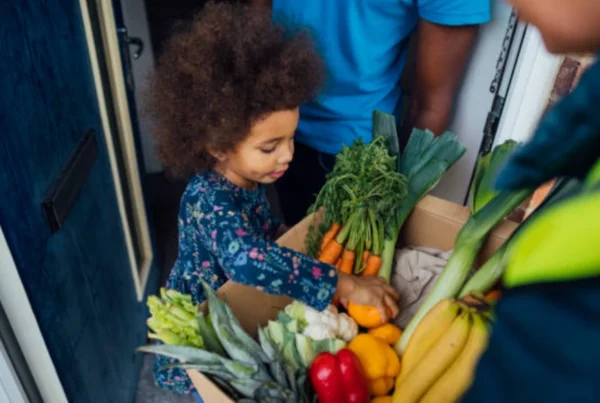
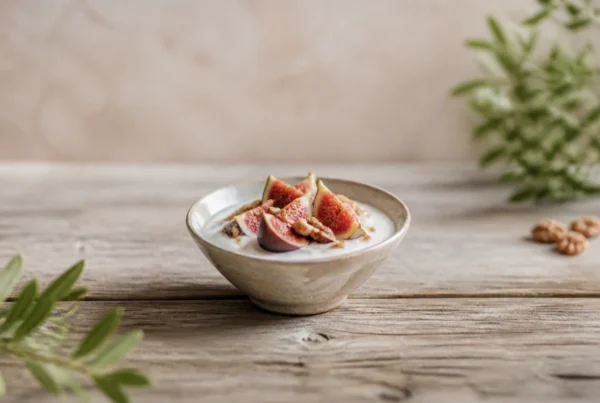
There is something quietly powerful about sitting down to eat with someone you love. Not the food itself, though that matters too, but the act of pausing. Of choosing, in the middle of an ordinary week, to be in the same room, at the same table, without an agenda. It sounds simple. And yet, for many couples and families, it has become one of the first things to disappear when life gets busy.

Shared meals are not just a practical necessity. They are, when we let them be, one of the most consistent rituals of emotional connection available to us.
The Table as Common Ground
Research into relationship wellbeing has long pointed to the importance of regular, undistracted time together. Shared meals offer something that few other daily rituals can: a natural pause. A moment when phones are (ideally) set aside, when the noise of the day softens, and when two people are simply present with one another.
Eating together creates a kind of low-stakes intimacy. Conversation flows more easily around food. Silences feel comfortable rather than awkward. Over time, the table becomes associated with safety, warmth, and belonging, feelings that quietly sustain a relationship through its harder seasons.
For couples navigating busy routines, even a single shared meal a week can shift the emotional temperature of a relationship. It is not about grand gestures. It is about showing up, consistently, in the small ways that accumulate into something lasting.
Why Marking Milestones Matters
Anniversaries, birthdays, and other significant moments in a relationship deserve to be acknowledged, not because tradition demands it, but because marking a milestone is a way of saying: this matters to me. You matter to me.
When these moments pass without attention, it is rarely because people do not care. More often, it happens because everyday life becomes too full. Work, family responsibilities, and routine take over, and the occasion is quietly treated like any other day. Over time, though, the absence of acknowledgement can leave a subtle emotional gap. A partner may begin to feel less seen, less celebrated,d or less valued, even when that was never the intention.
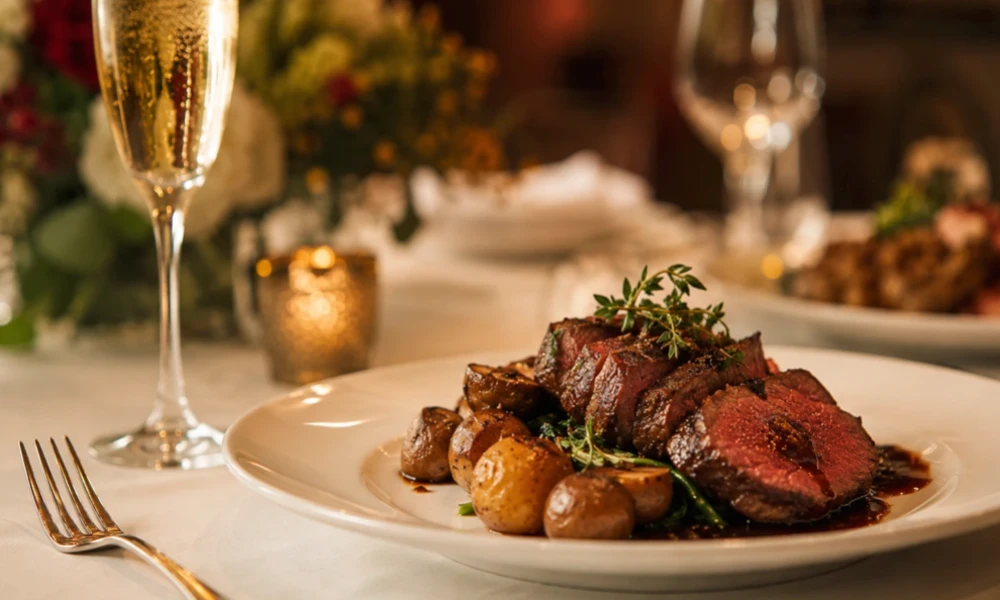
Choosing to mark an anniversary with care does not have to mean planning something extravagant. It might be a carefully prepared meal at home, a walk somewhere meaningful, or an evening at a Chicago-area anniversary restaurant where the setting helps the occasion feel separate from ordinary life. What matters is not the scale of the gesture, but the message behind it: we are still choosing to pause, notice, and celebrate what we have built together.
A good milestone ritual gives a relationship room to breathe. It creates a moment outside the usual routine, where two people can remember not only the date itself, but the story behind it.
Simple Traditions, Long-Term Intimacy
You do not need elaborate plans to build a culture of togetherness. Some of the most nourishing relationship rituals are almost embarrassingly modest: Sunday breakfasts made from whatever is left in the fridge. A standing dinner date on the first Friday of the month. A particular restaurant you return to each year on your anniversary, almost as a way of checking in with each other — and with the relationship itself.
These small, repeated rituals carry meaning precisely because they are repeated. They become touchstones. Over years, they accumulate into a shared story, the kind that couples return to when they need to remember who they are to one another.
The key is not the ritual itself, but the intention behind it. Choosing to do something together, regularly, signals that the relationship is worth protecting from the drift of daily life.
The Case for Experience-Based Gifts
When it comes to marking a milestone for someone you love, there is a growing awareness that experiences tend to outlast objects. A gift that creates a memory — an evening out, a shared adventure, a meal at a place that feels special- often carries more emotional weight than something wrapped in a box.
This is particularly true for couples who already have what they need. What they may be missing is time. Space. An occasion that feels set apart from the ordinary.
A restaurant gift card is one way to offer exactly that, not a thing, but a promise. The promise of an evening together, of a table reserved, of a meal shared without the distraction of cooking or washing up. It is a thoughtful gift precisely because it asks for presence rather than possession.
For parents, close friends or partners marking a significant occasion, an experience-based gift of this kind can feel far more considered than another item to be unwrapped and set aside.
Slowing Down Together
There is a quiet wisdom in the act of sharing a meal. It asks nothing complicated of us. It simply asks us to stop, to sit, to eat, to be with one another for an hour without trying to accomplish anything else.
In long-term relationships, this kind of deliberate slowing down is not a luxury. It is maintenance. It is how couples stay connected through the years that would otherwise blur past them.
Mark the milestones. Keep the small traditions. Choose the shared experience over the easy gift. And every so often, make a reservation somewhere that feels worthy of the occasion, not because the restaurant will save the relationship, but because the intention behind it might.
The simplest acts of togetherness, repeated with care, are often the ones that hold us closest.
- About the Author
- Latest Posts

Our Editorial Team are writers and experts in their field. Their views and opinions may not always be the views of Wellbeing Magazine. If you are under the direction of medical supervision please speak to your doctor or therapist before following the advice and recommendations in these articles.