
Why the Future of Healthcare Might Just Be NP-Owned
As the healthcare landscape continues to evolve in the United States, few transformations are more noteworthy than the growing role of Nurse Practitioners
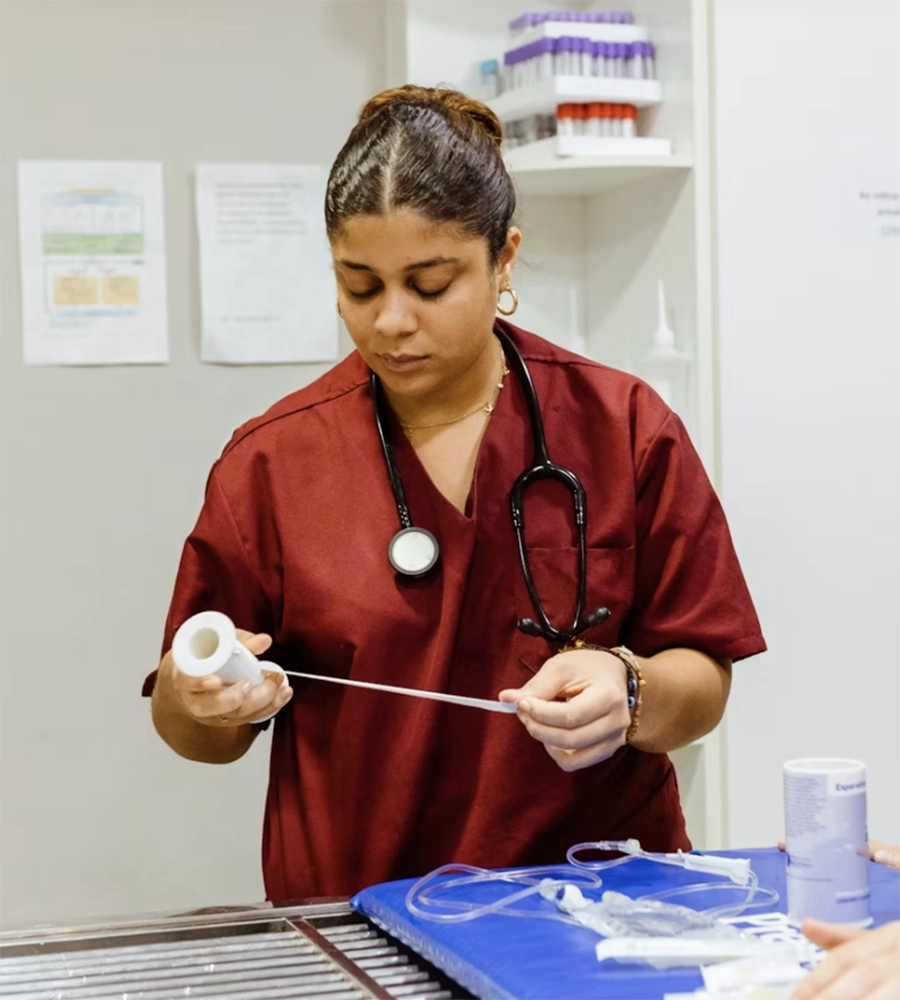
As the healthcare landscape continues to evolve in the United States, few transformations are more noteworthy than the growing role of Nurse Practitioners (NPs) as independent care providers and business owners. Once seen as auxiliary to physician-led practices, NPs are increasingly at the forefront of primary and specialized care delivery. They are leading a quiet revolution by combining advanced clinical training with patient-centered values and entrepreneurial initiative. This article examines why NP-owned practices may be a cornerstone of healthcare’s future, and how this trend could fundamentally reshape the system.
The Rise of NP Independence
The push for NP autonomy has been gaining momentum for over a decade, driven in part by mounting physician shortages and the demand for more accessible healthcare services. Today, more than half of U.S. states grant full practice authority to Nurse Practitioners, allowing them to evaluate patients, diagnose conditions, interpret diagnostic tests, and initiate treatment plans independently. This regulatory freedom opens the door for NPs to establish and run their own practices, often in underserved areas where physician coverage is thin or inconsistent.
What distinguishes NP-owned clinics is not merely their legality, but their responsiveness to community needs. Nurse Practitioners are known for taking a holistic approach to care, often spending more time with patients and focusing on preventive health. Their ability to operate independently allows for greater flexibility in tailoring services to specific populations, from chronic disease management in aging adults to telehealth options for rural communities. This adaptability positions them as prime leaders in community-centered healthcare.
In addition to clinical acumen, NPs are also rising to the challenge of entrepreneurship. Many are pursuing business education or partnering with consultants to navigate the complexities of running a medical practice. As they do, they bring fresh energy to a healthcare system that has often been criticized for inefficiency and lack of personalization. For those exploring the business case for NP-led ventures, reviewing practical perspectives on this evolving trend, such as this thoughtful take on the shifting ownership dynamics in healthcare, can be particularly enlightening.
Why Patients Trust NPs
Trust plays a pivotal role in the clinician-patient relationship, and Nurse Practitioners consistently rank high in patient satisfaction and trust metrics. Their model of care, which emphasizes patient education, empathy, and shared decision-making, resonates with individuals who feel alienated by more transactional approaches in larger healthcare systems. This relational strength has become a key differentiator for NP-owned practices.
Patient-centered care is not merely a philosophical preference for NPs; it is woven into their training and daily operations. Unlike the time-pressed environment of many hospital systems, NP-led practices often allow for longer appointment slots, follow-up communication, and customized wellness plans. Patients appreciate the continuity of care and the sense that their provider is not just treating symptoms but partnering with them on long-term health goals.
As more healthcare professionals recognize the benefits of starting a private practice, the landscape is becoming more supportive for those ready to make the move. With a growing demand for personalized, patient-centered care, there’s never been a better time to take the leap.
The Business of NP Ownership
The shift from clinician to practice owner is no small leap, but for many NPs, it is a natural extension of their leadership capabilities. Establishing a business involves not just clinical expertise but a firm grasp of financial management, marketing, compliance, and strategic planning. NPs stepping into ownership roles are increasingly seeking out mentors, attending entrepreneurship workshops, and studying healthcare business models that align with their values.
One of the advantages NPs bring to the business side of healthcare is their firsthand insight into patient needs. They are uniquely equipped to design services that directly address gaps in care, whether through chronic care programs, integrative health offerings, or specialized wellness services. This alignment between service delivery and community demand often translates into stronger patient retention and organic growth through word of mouth.
Financing remains a hurdle for many aspiring NP entrepreneurs, but progress is being made. Access to small business loans, private investment, and grant programs tailored to healthcare innovators is improving. Additionally, as more success stories emerge, the blueprint for running a profitable and sustainable NP-owned practice is becoming clearer. The fusion of clinical integrity and business acumen is laying the groundwork for a new class of healthcare leaders.
Workforce Sustainability and Burnout Prevention
The American healthcare system is facing a growing crisis of provider burnout, with long hours, bureaucratic pressures, and lack of autonomy cited as leading causes. Nurse Practitioners, by taking control of their own practices, are charting a course toward more sustainable career paths. Ownership provides NPs the ability to design workflows, staffing models, and scheduling systems that support work-life balance and long-term career satisfaction.
Autonomy over clinical decisions and business operations allows NPs to sidestep many of the systemic issues that contribute to burnout. They are not beholden to administrative directives that may conflict with patient interests or their own professional values. Instead, they can create environments where collaboration, support, and purpose are prioritized. This cultural shift enhances not only provider well-being but also patient care outcomes.
Additionally, NP-owned practices are creating employment opportunities for other healthcare professionals, including fellow NPs, RNs, and medical assistants. These team-based care environments often embody a more inclusive and empowering ethos than traditional healthcare hierarchies. As this ownership model expands, it offers a replicable framework for building healthier workplaces and more resilient healthcare delivery systems.
Policy, Advocacy, and the Road Ahead
Despite the progress made, barriers remain for Nurse Practitioners aspiring to own and operate independent practices. State regulations still vary widely, and scope-of-practice laws can limit the ability of NPs to practice to the full extent of their training. Advocacy efforts are ongoing at both the state and federal levels to standardize practice authority and eliminate unnecessary restrictions.
Professional organizations such as the American Association of Nurse Practitioners (AANP) and the National Nurse-Led Care Consortium are leading the charge in pushing for policy reforms. These efforts are focused not only on expanding practice rights but also on securing better reimbursement rates, streamlining licensure across state lines, and enhancing access to capital. Legislative victories in this area have a ripple effect, encouraging more NPs to explore ownership as a viable path.
Public perception is also shifting, with patients and policymakers increasingly recognizing the contributions of NPs to healthcare accessibility and quality. As media coverage grows and more success stories surface, the idea of NP-led healthcare is moving from niche to norm. Continued advocacy, combined with education and public engagement, will be key in cementing this transformation.
A Vision for the Future
The idea that the future of healthcare might be NP-owned is not wishful thinking; it is an emerging reality with implications for access, quality, and equity. As more NPs take control of their professional destinies, they are reimagining what modern healthcare can look like. Their practices tend to emphasize affordability, transparency, and inclusivity, setting a new standard for patient care.
This movement is not just about individual career advancement. It is about system-wide reform driven from the ground up. Nurse Practitioners are uniquely positioned to bridge the gaps between community needs, clinical excellence, and business innovation. By doing so, they are demonstrating that healthcare leadership need not be confined to corporate executives or physicians alone.
In embracing ownership, NPs are not only elevating their own roles but also empowering a broader cultural shift toward accessible and human-centered healthcare. If current trends continue, the NP-led model may well become a defining feature of 21st-century healthcare, reshaping not just how care is delivered, but who gets to lead the charge.
Filed underStress & burnout, Fitness & movement, India & Sri Lanka, Connection