In today’s fast-paced world, the quest for mental clarity and emotional peace has never been more vital. As we delve into seeking sustainable practices for our well-being, an unexpected ally has emerged from the natural world: tree care. Proper maintenance and appreciation for trees can significantly affect our mental health, offering benefits that extend beyond the obvious environmental ones. In this article, we explore how engaging with nature through tree care enhances our mental well-being in 2026 and why it is becoming a crucial aspect of holistic health strategies.
The Therapeutic Power of Nature
Over the years, various studies have highlighted the positive impact of nature on mental health. Spending time amidst greenery can lower stress levels, reduce symptoms of depression, and even boost cognitive function. The Environmental Protection Agency (EPA) affirms that exposure to natural environments can improve human health in numerous ways.
Trees play a pivotal role in these natural environments. They not only provide oxygen and improve air quality but also serve as a living connection between people and nature. Engaging in activities like gardening, forest bathing, or simply sitting under a tree can provide a calming effect and enhance our mindfulness.
Understanding Tree Care and Its Benefits
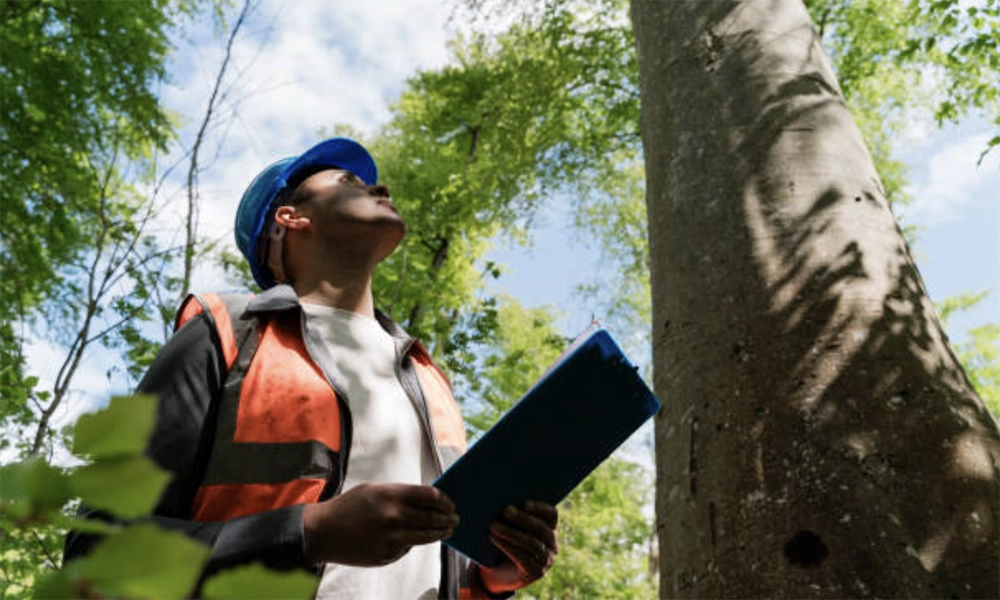
Tree care involves a range of activities, from planting and pruning to disease management and sustainable practices. While tree care professionals are necessary for certain services and play a vital role, engaging personally in tree care can yield immense psychological benefits. A certified arborist can guide enthusiasts in understanding the correct techniques and the science behind caring for trees, ensuring that the plants thrive and, concurrently, so do the caregivers.
Connecting with trees invites us to observe the slow, deliberate growth processes and the patience inherent in nature. This mindfulness practice can be grounding and reduce anxiety by promoting a meditative engagement with the arboricultural world.
The Role of Professional Arborists in Personal Wellbeing
Seeking professional guidance ensures that tree care is both effective and safe. Happy Tree Austin Certified Arborist Austin offers services that not only enhance the beauty and health of trees but also educate tree owners on best practices.
With the knowledge and expertise of certified arborists, individuals are empowered to make informed decisions about tree care. This empowerment can translate into a sense of responsibility and accomplishment, key components in boosting self-esteem and mental wellbeing.
Urban Forestry: A Community Approach
Urban areas often lack abundant green spaces, yet trees are essential for city dwellers. They mitigate urban heat effects, reduce energy consumption, and have been shown to lower crime rates. The National Arbor Day Foundation states that access to green spaces in urban areas is linked to healthier living conditions.
Encouraging community involvement in tree planting and care projects can foster social interaction and a sense of community belonging, both of which contribute to mental health. In 2026, cities around the globe are launching urban forestry programs to integrate more green spaces, acknowledging the profound impact they have on public health.
Practical Steps to Engage in Tree Care
Whether living in an urban center or rural area, there are practical ways to incorporate tree care into daily routines:
Start at Home
- Plant a Tree: Choose a native species to enrich your local ecosystem.
- Regular Maintenance: Prune and water trees as needed. Recognizing the needs of your trees by season aids in their health and your understanding of natural cycles.
Community Involvement
- Join Local Tree Planting Initiatives: Connecting with neighborhood associations or local conservation groups can enhance communal ties.
- Educational Workshops: Participate in workshops offered by organizations or visit Wellbeing Magazine’s Resources for tips and guides.
Explore Nature
- Forest Baths and Nature Walks: Spend time walking or meditating in nature. Regular excursions into parks or nature reserves can be therapeutically rewarding.
- Use Apps: Several apps can help identify local trees and suggest care tips, making your nature walks educational experiences.
Conclusion
In our relentless pursuit of a balanced life, connecting with nature through tree care offers a path filled with opportunities for personal and community growth. With benefits extending from individual mental well-being to societal health improvements, tree care is not just an environmental obligation; it is a source of solace and strength.
By learning from and nurturing nature, we not only strengthen our ecological systems but also cultivate resilience in ourselves. As you embark on this journey, remember that even small steps, like consulting a certified arborist, can lead to significant improvements in your mental well-being and a healthier future for our planet/
- About the Author
- Latest Posts

Our Editorial Team are writers and experts in their field. Their views and opinions may not always be the views of Wellbeing Magazine. If you are under the direction of medical supervision please speak to your doctor or therapist before following the advice and recommendations in these articles.