Modern life has a way of rewarding speed. Calendars fill up quickly, notifications arrive constantly, and even leisure time often becomes another item on a growing list of things to accomplish. Yet despite the pressure to keep moving, most people eventually reach a point where they feel the need to slow down. Not because they are unmotivated, but because constant activity can leave very little room for recovery.
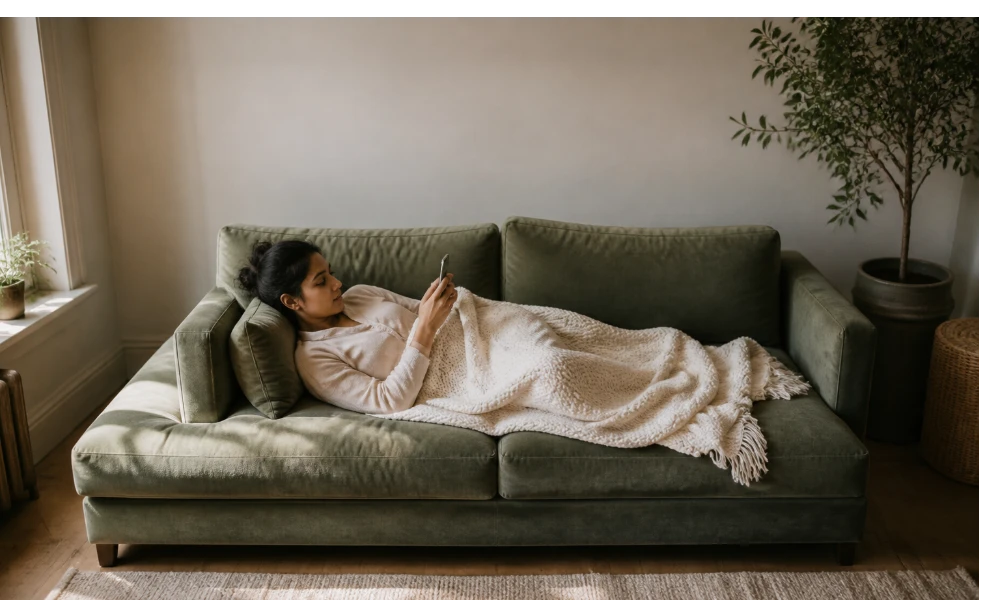
What is interesting is that people rarely respond to this feeling with dramatic changes. Instead, they often develop small comfort rituals that create a sense of calm amid busy schedules. These routines may seem insignificant from the outside, but they often become some of the most valuable parts of everyday life.
The Power of Repeating Familiar Habits
Comfort is often found in familiarity. When people feel overwhelmed, they tend to return to routines that require little thought or decision-making. A favorite chair, a preferred walking route, or a familiar evening activity can create a sense of stability during periods that feel chaotic.
The appeal of these habits is not necessarily the activity itself. Rather, it is the predictability that comes with it. Familiar routines reduce mental effort and allow people to focus less on what comes next and more on the present moment.
Over time, these repeated behaviors become personal rituals. They mark the transition between work and rest, responsibility and relaxation, activity and recovery.
Why Physical Comfort Matters More Than We Realize
Many comfort rituals involve physical surroundings. People adjust lighting, prepare warm drinks, light candles, or settle into spaces that feel welcoming. These environmental choices can influence mood more than many realize.
Comfortable clothing often plays a role as well. Certain garments become associated with slowing down because they signal the end of obligations and the beginning of personal time. For some households, Aran wool shawls become part of those quieter moments when the goal is not to impress anyone or go anywhere, but simply to feel comfortable and present.
The connection between physical comfort and emotional wellbeing is easy to overlook because it develops gradually. Yet many people instinctively seek out environments that help them feel grounded when life becomes demanding.
The Return of Unhurried Activities
One common pattern among people trying to slow down is a renewed appreciation for activities that cannot be rushed. Reading a book, gardening, baking, knitting, sketching, or taking a long walk all encourage a different relationship with time.
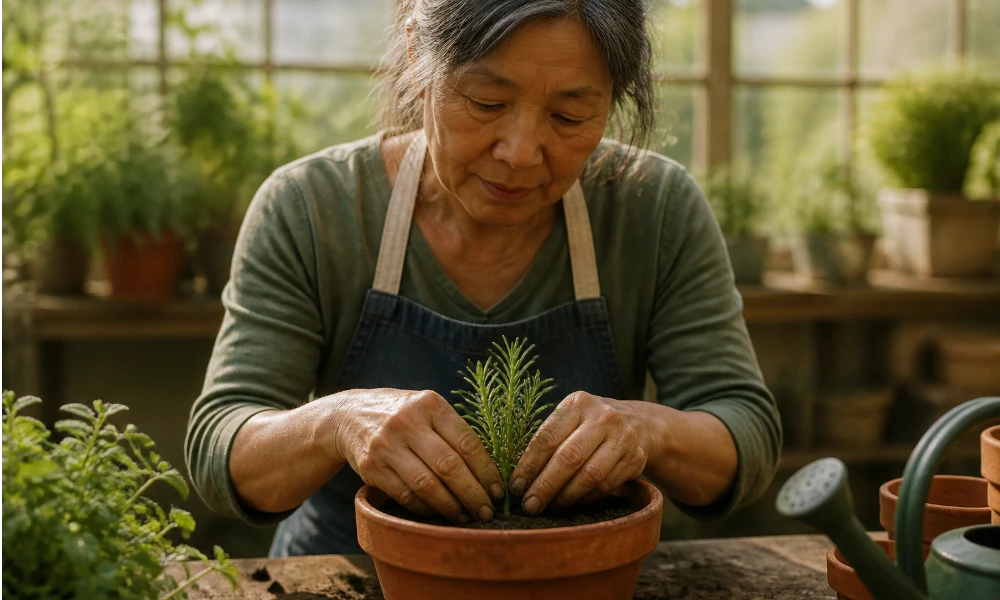
These activities offer something increasingly rare: sustained attention. They create opportunities to focus on a single task without constantly switching between screens, messages, and responsibilities.
The satisfaction often comes from the process itself rather than the outcome. There is no pressure to optimize every moment or achieve immediate results. Instead, the activity becomes valuable because it encourages patience and presence.
Many people discover that these slower hobbies provide a balance that modern routines often lack.
Why Small Rituals Feel So Effective
People sometimes assume meaningful relaxation requires a weekend getaway or a major lifestyle change. In reality, many of the most effective comfort rituals take only a few minutes.
Making tea before bed, sitting quietly in the morning, listening to music while preparing dinner, or taking a short evening walk can all create a sense of separation from daily pressures. These small actions serve as signals that the pace of the day is changing.
Part of their effectiveness comes from consistency. A ritual repeated regularly becomes something people can anticipate and rely on. Even during stressful periods, it provides a reminder that moments of calm still exist.
The ritual itself may be simple, but the sense of continuity it creates can be surprisingly powerful.
Creating Spaces That Encourage Rest
The environment surrounding a person often influences how easily they can slow down. Spaces filled with clutter, distractions, and unfinished tasks can make relaxation feel difficult. By contrast, environments designed for comfort naturally encourage people to spend time there.
This does not require a perfectly designed home. Often, it involves creating a small corner dedicated to reading, conversation, reflection, or quiet activities. The goal is not luxury but intention.
When a space supports rest, people are more likely to use it. They begin associating certain locations with calmness and recovery, making it easier to step away from the constant demands of daily life.
Over time, these spaces become an important part of personal wellbeing.
Slowing Down Without Falling Behind
One reason many people struggle to slow down is the fear that rest means falling behind. Productivity is often celebrated so heavily that relaxation can feel undeserved. Yet the reality is that recovery plays an essential role in maintaining energy, focus, and long-term motivation.
People who develop effective comfort rituals are not necessarily doing less. Instead, they are creating opportunities to recharge so they can engage more fully with the rest of their lives. The goal is not to escape responsibility but to establish a healthier rhythm between activity and rest.
The most sustainable routines usually include both. There is time for work, progress, and achievement, but there is also space for comfort, reflection, and recovery. In a culture that often values constant movement, those quiet rituals can become some of the most important habits a person develops.
- About the Author
- Latest Posts

Our Editorial Team are writers and experts in their field. Their views and opinions may not always be the views of Wellbeing Magazine. If you are under the direction of medical supervision please speak to your doctor or therapist before following the advice and recommendations in these articles.