You can usually tell when a school has strong emotional support. The halls feel calmer, students seem more connected, and small problems are less likely to turn into giant lunchtime dramas. That steady support often comes from school counselors. They help students handle feelings, pressure, friendships, and big life changes while staying on track in class. If you care about wellbeing, education, and helping young people grow, this role is worth a closer look.
A Role With Heart
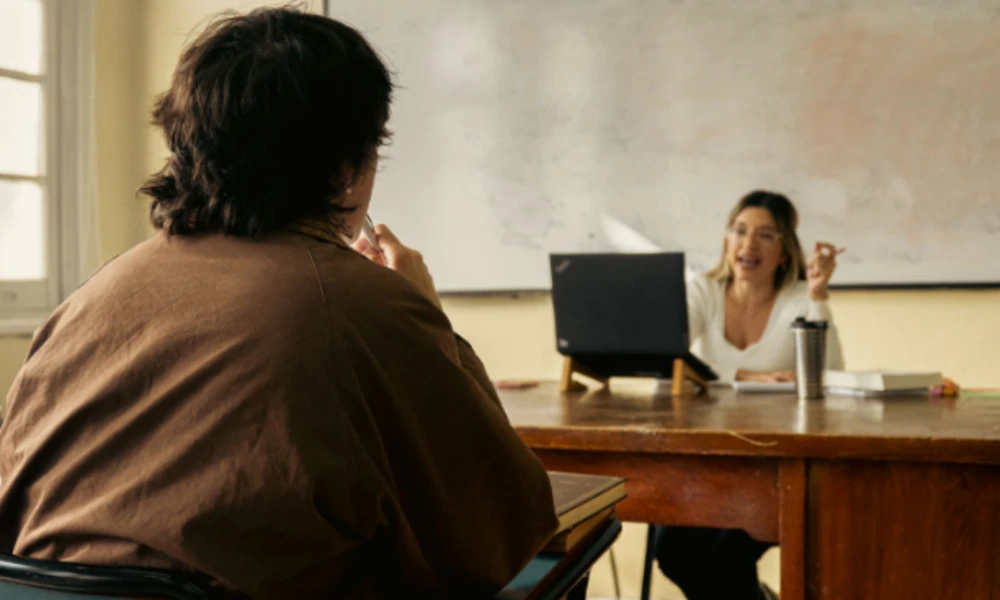
When you think about schools, you probably picture teachers first. Yet counselors are often the people who help everything else work a little better. They support students through rough mornings, friendship messes, test nerves, and family stress. Some also help students plan for future goals, which can feel huge when you are still figuring out where you left your backpack.
If this kind of work speaks to you, earning a school counselor degree online can be a practical way to prepare for the real job of guiding students in school settings. That path makes sense for people who want to build counseling skills while balancing work or family life.
At its core, school counseling is about being a calm, trustworthy adult who helps students navigate challenges, build confidence, and make healthier choices. You are not there to have all the answers. You are there to listen well, notice patterns, and help students take the next right step.
Helping Kids Feel Safe
A child who feels safe is more likely to learn, speak up, and try again after a hard day. That is one of the biggest reasons school counselors matter. They help create a space where students can talk without feeling judged or rushed.
Sometimes the issue is obvious, like bullying or trouble at home. Other times it is quieter. A student may seem tired, withdrawn, angry, or suddenly uninterested in school. Counselors help spot those changes early and offer support before things snowball into a full-on before those concerns become more difficult to manage.
This support can look simple from the outside. It might be a short check-in, a coping strategy for test stress, or a safe place to reset after a bad morning. Small moments count. When a student learns how to name feelings, ask for help, or calm down before reacting, that skill can follow them far beyond the classroom.
More Than Scheduling
Plenty of people still think school counselors mostly shuffle timetables and point students toward the right classroom. Yes, scheduling can be part of the job, especially in older grades. But scheduling is only one part of a much broader role.
School counselors often help students work through conflict, build social skills, and manage stress. They may talk with parents, coordinate with teachers, and help families understand what a child needs to succeed. In some situations, they also connect students with outside mental health or community support.
The job blends empathy with structure. You need warmth, but you also need boundaries and good judgment. Some days are smooth and steady. Other days can change in five minutes because a student shows up in tears or a teacher raises a concern. It is people-centered work, which means it is meaningful and messy at the same time.
Why Schools Need Them
Students today are carrying a lot. Academic pressure starts early. Social media adds a strange 24-hour audience to normal growing-up problems. Some children are dealing with grief, housing instability, family conflict, or constant anxiety, all while being expected to finish homework and remember to keep up with school expectations
That is why school counselors are not a bonus. They are a key part of a healthy school environment. They help students process hard experiences and stay connected to school rather than drifting away from it. They also support teachers by helping with behavior concerns, emotional patterns, and communication with families.
When counselors are available, schools can respond to student needs with more care and less chaos. While counselors cannot solve every challenge, they can provide students with guidance, resources, and consistent support. But having trained support in the building gives students a better chance to cope, recover, and keep moving forward.
Is This Path Right
You do not need to be the world’s most talkative person to become a strong school counselor. In fact, listening is often more important than speaking. If you are patient, steady, and genuinely curious about what people are going through, that is a great start.
It also helps if you can stay calm when emotions run high. Students need adults who do not panic when things get awkward, sad, or complicated. You should be able to communicate clearly, respect privacy, and balance kindness with healthy limits. Being nice is lovely. Being dependable is even better.
This path may fit you if you care about both education and emotional wellbeing. It is especially appealing if you like practical help, not just abstract ideas. You are working with real students, real families, and real school challenges. Some wins are big. Others are quiet. Both matter more than they may seem at the moment.
Small Support Big Impact
School counseling is one of those careers where little actions can change a life in ways you may never fully see. A student who learns how to ask for help might stay in school. A teenager who feels heard might make a safer choice. A child who finds one trusted adult may begin to believe they matter, and that belief is powerful.
That is what makes this work so valuable. It is not flashy, and it is rarely easy. Still, it reaches students where they are, on ordinary days and hard ones. If you are drawn to meaningful work that blends compassion, communication, and everyday problem-solving, school counseling deserves your attention.
Sometimes the biggest difference starts with a simple conversation. In a school, that conversation can be the spark that helps a young person feel stronger, steadier, and ready for what comes next.
- About the Author
- Latest Posts

Our Editorial Team are writers and experts in their field. Their views and opinions may not always be the views of Wellbeing Magazine. If you are under the direction of medical supervision please speak to your doctor or therapist before following the advice and recommendations in these articles.