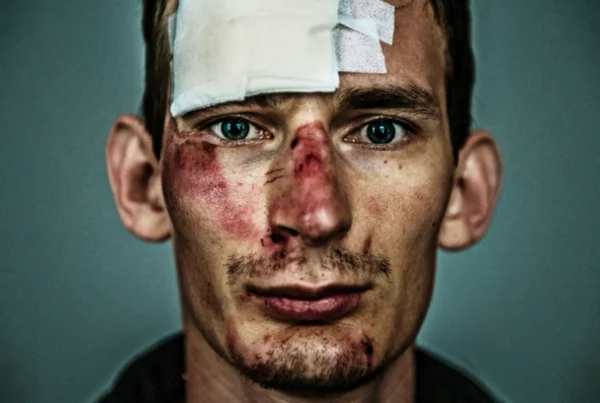
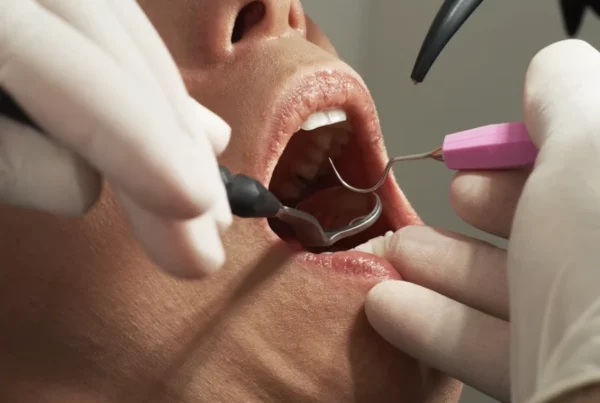
Missing teeth rarely stay a private matter. A gap where a tooth used to be, a denture that shifts mid-sentence, or a smile someone has started covering with a hand: these things quietly shape how people move through the world. The physical side of tooth loss gets plenty of attention, but the emotional and social side, the hesitation before laughing, the avoidance of certain photos, the quieter voice in a group conversation, often goes unnamed. People exploring what a tooth replacement consultation actually involves can find general information at www.newsmilenowimplants.com, a practice that works with patients on same-day and full-arch implant options.
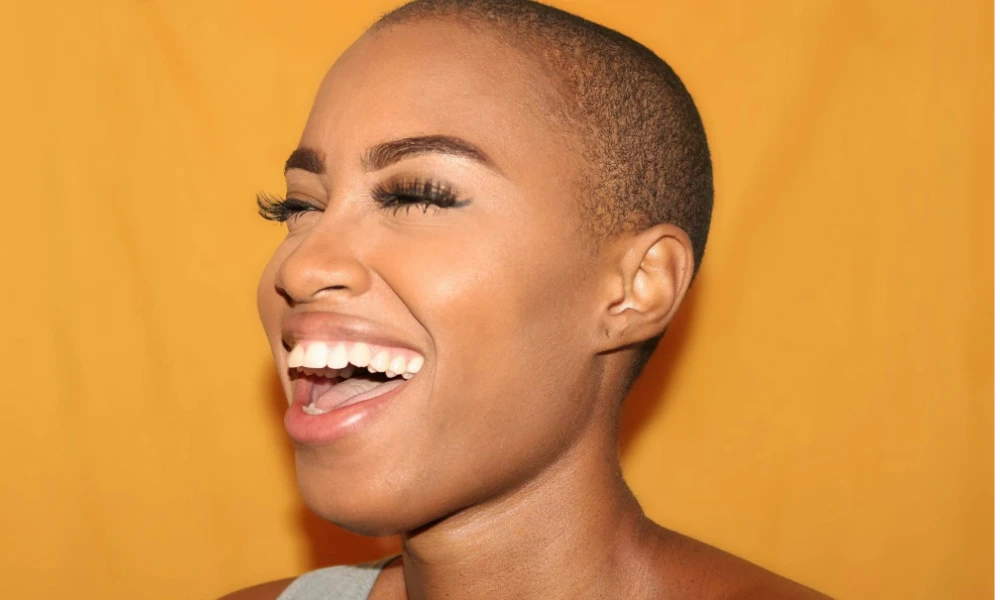
The Social Weight of a Smile
A smile is one of the first things people register in a conversation, and it carries information before a word is spoken. When someone feels self-conscious about their teeth, they tend to adjust their behaviour to compensate: smiling with lips closed, angling away from cameras, choosing not to speak up in meetings or social settings. None of this is really about vanity. It is about the discomfort of feeling watched, or misread, in moments that should feel ordinary.
Over time, these small adjustments can add up. A person might decline invitations, avoid speaking roles at work, or simply feel less present in their own conversations. The change is gradual enough that it can be mistaken for a personality shift rather than a response to something fixable.
Speech and Confidence Are Connected
Teeth do more than support chewing. They shape airflow and tongue placement, which affects how clearly certain sounds come out. Gaps or loose dental work can introduce a whistle, a slur, or a change in pronunciation that the speaker notices long before anyone else does. That awareness alone can make a person more guarded in conversation, even when listeners have not picked up on anything at all.
This is one reason dental discomfort so often shows up as social withdrawal rather than a straightforward complaint about the mouth. The person experiencing it may not connect the dots themselves, attributing a quieter week or a skipped gathering to being tired or busy, rather than to something they would rather not have people notice.
Aging, Appearance, and the Mouth
The lower third of the face relies on teeth for structural support. When teeth are lost and not replaced, the jawbone in that area can begin to change shape over time, and the face can take on a slightly different profile as a result. This is a slow, cumulative process rather than something that happens overnight, and it is one of the less visible reasons that dental health and how we perceive our own aging are so closely linked.
None of this means tooth loss is only about appearance. But it does mean that appearance-related self-consciousness is a legitimate part of the picture, not a shallow concern layered on top of a purely medical issue.
Naming the Pattern Is the First Step
People adapt to dental discomfort in ways that feel small and manageable in the moment: chewing on one side, avoiding certain foods, smiling less. Because each adjustment seems minor, the cumulative effect on confidence and social ease can be easy to overlook, both by the person experiencing it and by those around them.
Recognising this pattern, rather than treating it as a personality trait or an inevitable part of getting older, opens the door to asking a straightforward question: is there a reason this is happening, and is it something a dental professional could actually address? For many people, that conversation is the first time the emotional and physical sides of tooth loss get discussed together, rather than treated as separate issues.
A Conversation Worth Having
Wellbeing is rarely just physical or just emotional. The mouth is a good example of how closely the two are tied together, and how something as ordinary as a missing tooth can ripple outward into confidence, communication, and everyday social comfort. Bringing these concerns to a dental professional, rather than working around them indefinitely, is often the more direct path back to feeling at ease.
- About the Author
- Latest Posts

Our Editorial Team are writers and experts in their field. Their views and opinions may not always be the views of Wellbeing Magazine. If you are under the direction of medical supervision please speak to your doctor or therapist before following the advice and recommendations in these articles.