The industrial revolution, for all its amazing technology and inventions, has brought us to the brink of a precipice where the extinction of life for mankind may seem inevitable.
Here are a few of the outcomes that threaten our survival, from a Doughnut Economics perspective:
- Climate change
- Ocean acidification
- Chemical pollution
- Nitrogen and phosphorus loading
- Freshwater withdrawals
- Land conversion
- Biodiversity loss
- Air pollution
- Ozone layer depletion
All the factors above show no signs of improvement, but without changes in our behaviour, they will continue to worsen.
The fact that our economies and our use of resources are determined by international corporations and other organisations that rely on unremitting economic growth for profit means that no government action will dampen their influence, as they are powerful lobbying bodies worldwide.
In my opinion, only you, me, and the entire world population can make the changes to correct this inevitable route to disaster.
In my opinion, again, there is only one effective and practical way for us to address the problem. A new revolution led by all people across the world. It has already been established, is growing, and takes many forms, but one of the key players is The Food Revolution Network.
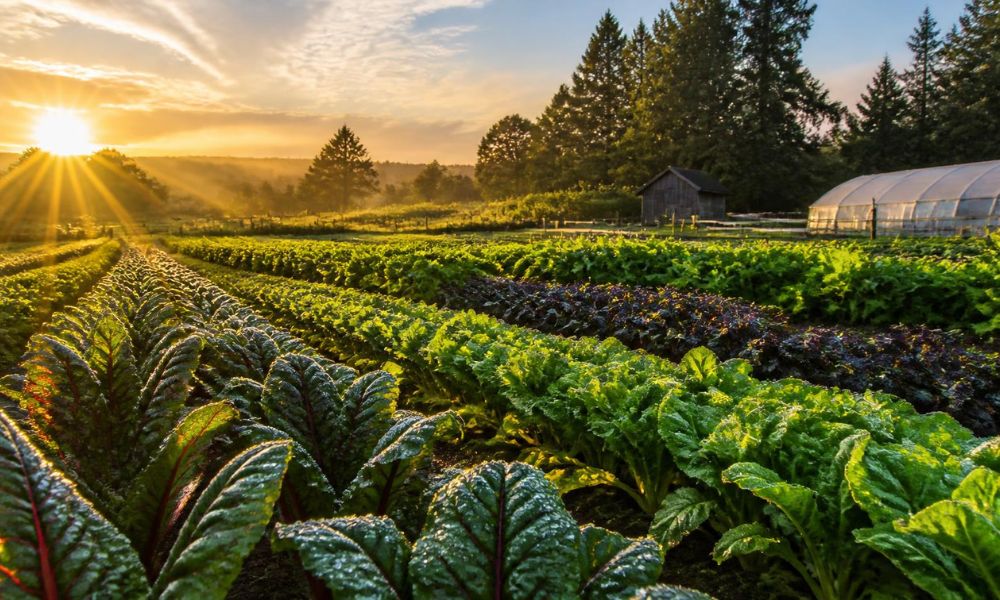
We are all free to make choices regarding our lifestyles, what we consume, and what we support. What we choose to eat, what we put on our fork, is the most powerful weapon to reverse the damage that the Industrial Revolution has brought upon the world and this planet.
Here are some facts related to our insatiable appetite for a diet rich in meat, dairy, fish, and poultry.
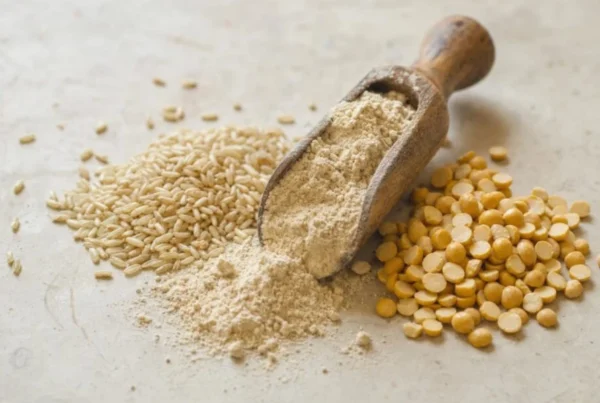
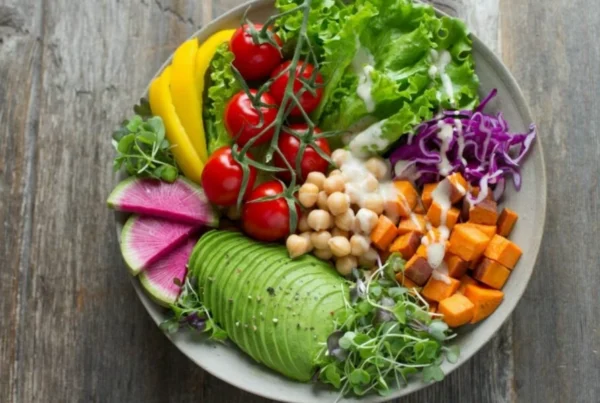
Of the nine factors mentioned above that are leading us to our extinction, five could be changed by a simple choice: mankind reducing consumption of animal-based foods and moving more towards a whole-plant-based diet. This might include plant-based meat substitutes; although highly processed, they would still reduce demand for animal products and be healthier for us than eating factory-farmed meat.
Taking each factor in turn, this is how such a shift in eating habits would benefit all of us and the planet.
- Climate change: the production of animal-based food worldwide accounts for more carbon dioxide emissions than all transport emissions combined.
- Nitrogen and phosphorus loading: millions of tons of fertiliser are used to produce feed for livestock; this would be reduced to very low levels if agricultural production were primarily for human consumption.
- Freshwater withdrawals: livestock production uses the largest share of the water supply compared with human and industrial consumption. It has been estimated that it requires 1,000 gallons of water to produce a quarter pound of beef, and 500 to 1,000 gallons of water to produce 2 pints of milk.
- Land conversion: up to three-quarters of the world’s rainforests have been destroyed for growing crops to feed animals or as grazing land. Intensive grazing has also reduced the viability of good agricultural land.
- Biodiversity loss: the destruction of natural habitats and pollution from intensive livestock farming have accounted for a 75 per cent reduction in species over the past century.
If the impact of eating a diet rich in animal food was restricted to just the above that would be sufficient reason to reflect on our need for meat and animal based foods in our diet, but far more important, a reduction in our consumption of animal products would have a profound effect on all chronic disease diseases including heart disease, strokes, diabetes, Alzheimer’s, obesity, and more.
In addition, three-quarters of all antibiotics are administered not to humans but to animals, leading to increasing antibiotic resistance in many infectious agents and putting this life-saving medicine at risk.
Perhaps we also need to reflect on our tendency to ignore the fact that we are intimately part of the natural environment, and that our need to respect all life will be essential for a healthy planet and healthy lives. We have been treating the planet as a large factory, for us to use however we choose and with whatever damage we may do to it.
So what we decide to put on the end of our fork next time we sit down to eat will have a profound effect on all the above. Something to reflect upon!
Michael Lingard BSc (Econ) DO
References:
- Doughnut Economics by Kate Raworth
- The Food Revolution Network
- Eating Our Way To Extinction – Essential Facts (35mins) YouTube Documentary
- About the Author
- Latest Posts

Michael Lingard, a regular contributor to Wellbeing Magazine for the past 18 years. A passionate promoter of real health care and would like to see a paradigm shift in modern medicine; from a disease & pathology based system to a health and ethology based system.