Does an Ice Bath Burn Fat? What Cold Plunging Does for Recovery
Does an ice bath burn fat? The honest answer, plus what cold plunging does for recovery, the right temperature, and how to use it after training.
Not the way most people hope. An ice bath can switch on brown fat and nudge up the calories you burn, but the effect is small, and cold plunging is not a reliable way to lose weight. Where it earns its place is recovery. Here's what the research supports and how to use it.
Does an ice bath burn fat?
Barely, on its own. Cold exposure activates brown fat, a type of tissue that burns energy to produce heat. That raises calorie burn a little during and shortly after a cold session. But the numbers are modest, and no serious evidence shows ice baths driving meaningful weight loss without diet and training behind them.
So treat the fat burning angle as a small bonus, not the reason to plunge. The real return is somewhere else.
What does cold plunging do for recovery?
This is the stronger case. Cold water immersion can reduce how sore your muscles feel after hard training, which helps you come back for the next session. A 2025 network meta-analysis in Frontiers in Physiology found water in the 41°F to 50°F range most effective for muscle recovery.
Cold also triggers a quick circulatory response. Blood pulls toward your core in the cold, then floods back out as you warm. Plenty of athletes use that reset between training days.
How cold and how long should a recovery plunge be?
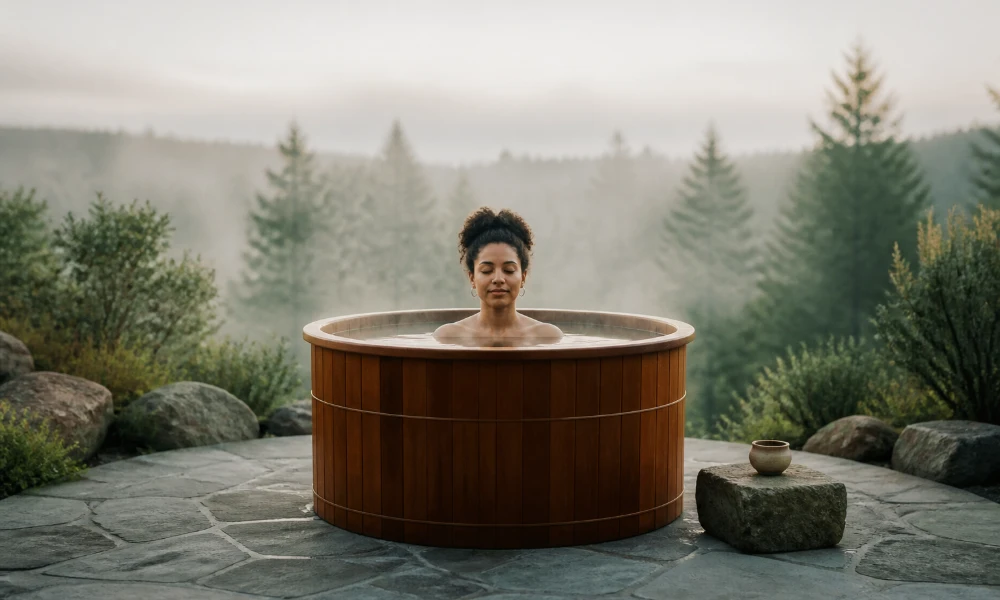
Aim for 41°F to 50°F and two to five minutes. That's enough cold to matter without pushing into needless risk. If you're new, start warmer and shorter, around 50°F for a minute, then work colder and longer as your tolerance builds. A system that holds a true 32°F floor gives you room to progress later.
Should you cold plunge right after lifting weights?
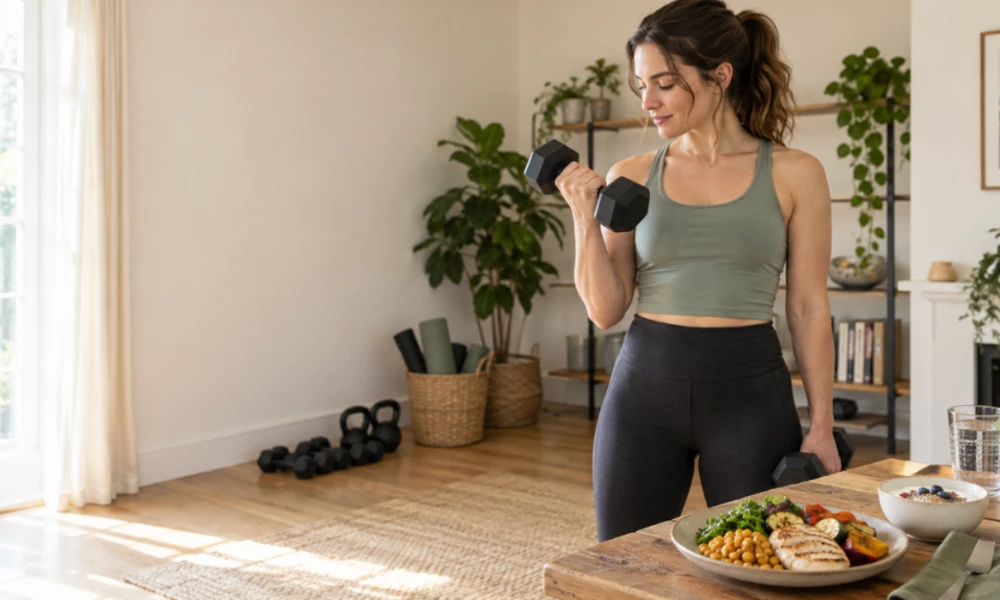
Maybe not right away. Some research suggests that jumping into cold water immediately after resistance training may blunt a little of the muscle growth you worked for. If building muscle is the goal, a common fix is to wait a few hours, or plunge on rest days and after endurance sessions instead. For pure recovery and feel, timing matters less.
How do you choose a cold plunge for home recovery?
Look for a built-in chiller, a temperature you can set and hold, and build quality that suits where you'll keep it. Ice and cooler setups work, but they mean hauling ice and chasing a moving temperature. A chiller-equipped system holds your number and filters the water between sessions.
For an indoor recovery setup, the Brainpod 2.0 from Polar Monkeys is an acrylic system priced at $10,990 that holds a true 32°F floor and controls temperature to within 0.5°F of setpoint. That precision is the difference between a plunge that feels the same every day and one that drifts.
Frequently asked questions
Do ice baths help you lose weight?
Not on their own. Cold exposure raises calorie burn slightly by activating brown fat, but the effect is too small to drive real weight loss without diet and exercise. Use cold plunging for recovery, and handle weight goals through nutrition and training.
How cold should an ice bath be for recovery?
Research points to 41°F to 50°F as the most effective range for muscle recovery. Two to five minutes is plenty. Beginners can start warmer and shorter, then work colder as they adapt. Premium systems hold a true 32°F floor for those who want to progress.
Is it bad to take an ice bath after lifting weights?
Cold immediately after resistance training may reduce some of the muscle gains from that session. If growth is the priority, wait a few hours or plunge on other days. For endurance work or general recovery, plunging soon after is fine.
The Bottom Line
An ice bath is a recovery tool first. The fat burning is real but small, so don't count on cold water for weight loss. Keep sessions in the 41°F to 50°F range for two to five minutes, mind the timing around heavy lifting, and pick a chiller-equipped system that holds a steady temperature if you want it at home
Filed underWeight management, Cold & heat therapy