How Mole Mapping Technology Is Changing the Standard of Skin Cancer Care
Skin cancer is one of the most common cancers worldwide, and melanoma remains one of its most dangerous forms. Yet when detected early, survival rates are…
Skin cancer is one of the most common cancers worldwide, and melanoma remains one of its most dangerous forms. Yet when detected early, survival rates are exceptionally high. This is precisely why mole mapping technology has become one of the most significant advancements in modern dermatology. It is shifting skin cancer care from reactive treatment to proactive prevention, giving both clinicians and patients a powerful tool for long-term skin health monitoring.
What Is Mole Mapping?
Mole mapping is a comprehensive digital imaging process that creates a detailed record of all moles and skin lesions across a patient's body. It combines total body photography with close-up dermoscopic imaging to produce a complete visual map of the skin that can be reviewed, stored, and compared over time.
How Does Mole Mapping Work?
Unlike a standard skin check, which relies heavily on visual inspection at a single point in time, mole mapping creates a permanent digital baseline. Every lesion is documented, measured and recorded so that any future changes, no matter how subtle, can be identified and acted upon quickly. It is not just a snapshot of a patient's skin today. It is a growing clinical record that becomes more valuable with every visit.
In the first stage, a full-body photography session captures standardised, high-resolution images of the patient's entire body surface from multiple angles. Many clinics carry out this stage using a system like the MoleMax HD trolley, which is designed for easy mobility and comes with an integrated Windows PC, allowing the clinician to move the entire imaging setup between consultation rooms without disrupting workflow. Others rely on a dedicated total body photography setup such as the PhotoMax Pro Kit, which pairs a high-resolution SLR camera with an optional body mapping stand to capture consistent, full-body images session after session. This gives the clinician a complete overview of all visible moles and lesions across the body.
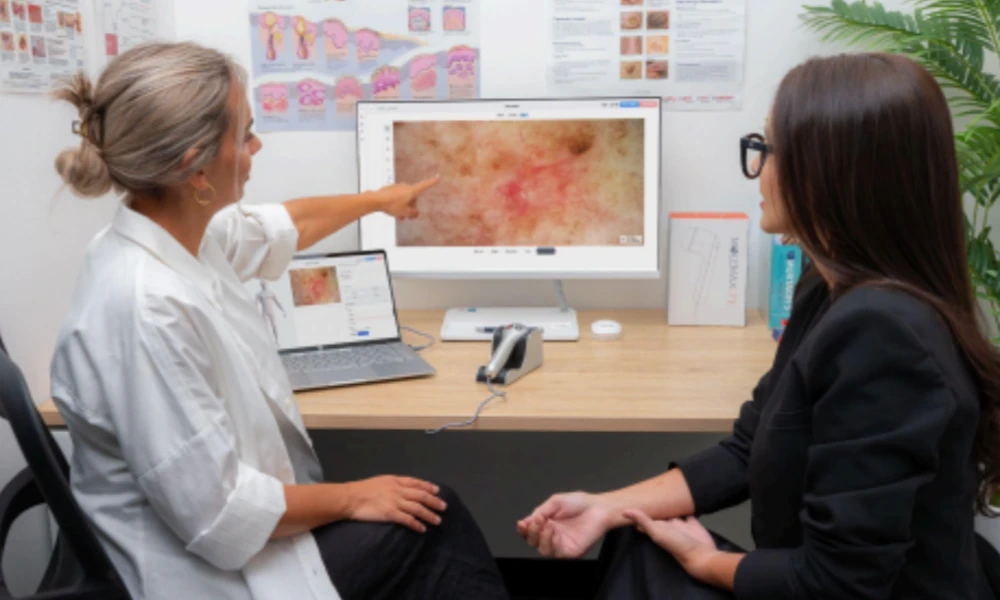
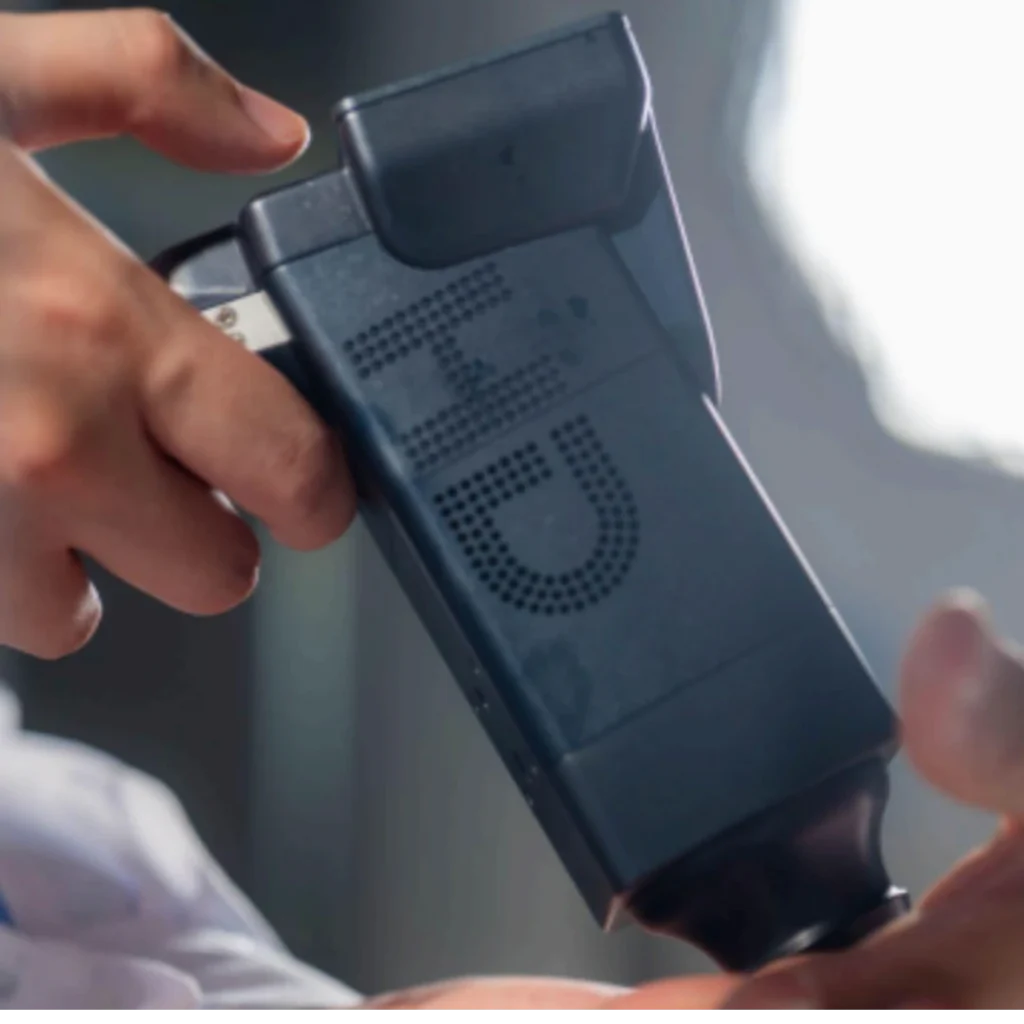
In the second stage, a dermatoscope is used to capture close-up dermoscopic images of individual lesions that appear suspicious or require closer monitoring. These detailed images reveal the internal structures of each lesion at high magnification, far beyond what is visible to the naked eye during a routine skin check.
In the third stage, all images are stored in a digital patient record and linked to a specialised software platform. At each follow-up visit, new images are compared side by side with previous ones. This allows clinicians to detect any changes in size, shape, colour, or structure with precision and confidence, making it far easier to identify early warning signs before they develop into something more serious.
Benefits of Mole Mapping for Patients and Clinicians:
Mole mapping delivers meaningful benefits on both sides of the consultation room.
For clinicians, it dramatically improves diagnostic accuracy by providing a reliable visual reference across multiple visits. It reduces the risk of missing subtle changes in lesions that may not be obvious during a standard visual examination. It also supports more confident clinical decision-making, helping clinicians avoid unnecessary surgical excisions by monitoring borderline lesions over time rather than removing them prematurely. This leads to better patient outcomes and a more efficient clinical workflow.
For patients, mole mapping provides reassurance and genuine peace of mind. Knowing that every lesion on their body is being carefully tracked gives patients confidence in their long-term skin health management. It also encourages regular follow-up visits, which is critical for early detection. High-risk patients in particular benefit enormously from having a complete and continuously updated digital record of their skin, giving them an active role in their own care.
Mole Mapping vs Traditional Skin Checks
Traditional skin checks involve a clinician visually examining the skin, sometimes with the aid of a handheld dermatoscope. While this approach has clear value, it also has limitations that become more significant over time.
A traditional skin check captures what a lesion looks like at one point in time. It relies on clinical notes and memory to track changes between visits, making it difficult to detect slow and gradual developments in lesions. There is no permanent visual record that can be objectively compared at future appointments, which means subtle but significant changes can be missed.
Mole mapping addresses all of these limitations directly. It replaces subjective recall with objective digital comparison. It ensures that nothing is overlooked across the entire body surface. And it creates a growing archive of a patient's skin history that strengthens in clinical value with every appointment. In simple terms, a traditional skin check tells you what a lesion looks like today. Mole mapping tells you how it has changed over time and whether that change requires action.
Who Should Consider Mole Mapping?
Mole mapping is particularly important for patients at elevated risk of melanoma. This includes patients with a large number of moles, a personal or family history of melanoma, fair skin that burns easily, a history of significant sun exposure or sunburn, or a previous diagnosis of atypical or dysplastic naevi.
However, mole mapping is not exclusively reserved for high-risk patients. Many individuals with no specific risk factors choose mole mapping as part of a proactive approach to their long-term skin health. As awareness of skin cancer continues to grow globally, more patients are seeking out this level of monitoring as a standard part of their healthcare routine rather than waiting until a problem arises.
Frequently Asked Questions
How long does a mole mapping session take?
A full mole mapping session typically takes between 30 and 60 minutes depending on the number of lesions being documented and the complexity of the patient's skin profile.
How often should mole mapping be done?
For most patients, mole mapping is recommended once a year. High-risk patients may be advised to attend more frequently, such as every six months, based on their clinical profile and findings from previous sessions.
Is mole mapping painful or invasive?
No. Mole mapping is entirely non-invasive and painless. It involves photography and dermoscopic imaging only, with no discomfort to the patient at any stage of the process.
Can mole mapping detect all types of skin cancer?
Mole mapping is primarily designed for the detection and monitoring of melanoma and pigmented lesions. It is most effective when used as part of a broader skin cancer screening program that includes a full clinical examination.
What technology is used in mole mapping?
Modern mole mapping systems use high-resolution digital cameras, advanced dermoscopy hardware, and specialised patient management software. MoleMax Systems offers a comprehensive range of mole mapping solutions including the MoleMax HD PRO and MoleMax Plus software platform, trusted by dermatologists and skin cancer clinicians in more than 70 countries worldwide.
Is mole mapping covered by health insurance?
Coverage varies depending on the country and the specific health insurance policy. It is recommended to check with your provider or the clinic directly regarding coverage and out-of-pocket costs.
Conclusion
Mole mapping technology is not simply an upgrade to the traditional skin check. It represents a fundamental shift in how skin cancer care is delivered, moving from single-point assessment to continuous, data-driven monitoring. For dermatology and skin cancer practices, investing in mole mapping technology means offering patients a higher standard of care, improving diagnostic confidence and building a practice reputation grounded in clinical excellence.
MoleMax Systems provides a complete range of mole mapping solutions designed for dermatology and skin cancer practices of all sizes. With over 20 years of expertise and a global network of more than 3,000 clinicians across 70 countries, MoleMax is the trusted partner for practices ready to lead the way in modern skin cancer care.
Book a free 15-minute online demo today and discover how MoleMax mole mapping technology can transform your practice.
Filed underCancer