Movement Intelligence in Everyday Life: Mindful Strength for Daily Living
Movement intelligence is the art of moving with awareness, efficiency, and adaptability. Learn how cultivating it in everyday life improves posture, reduces…
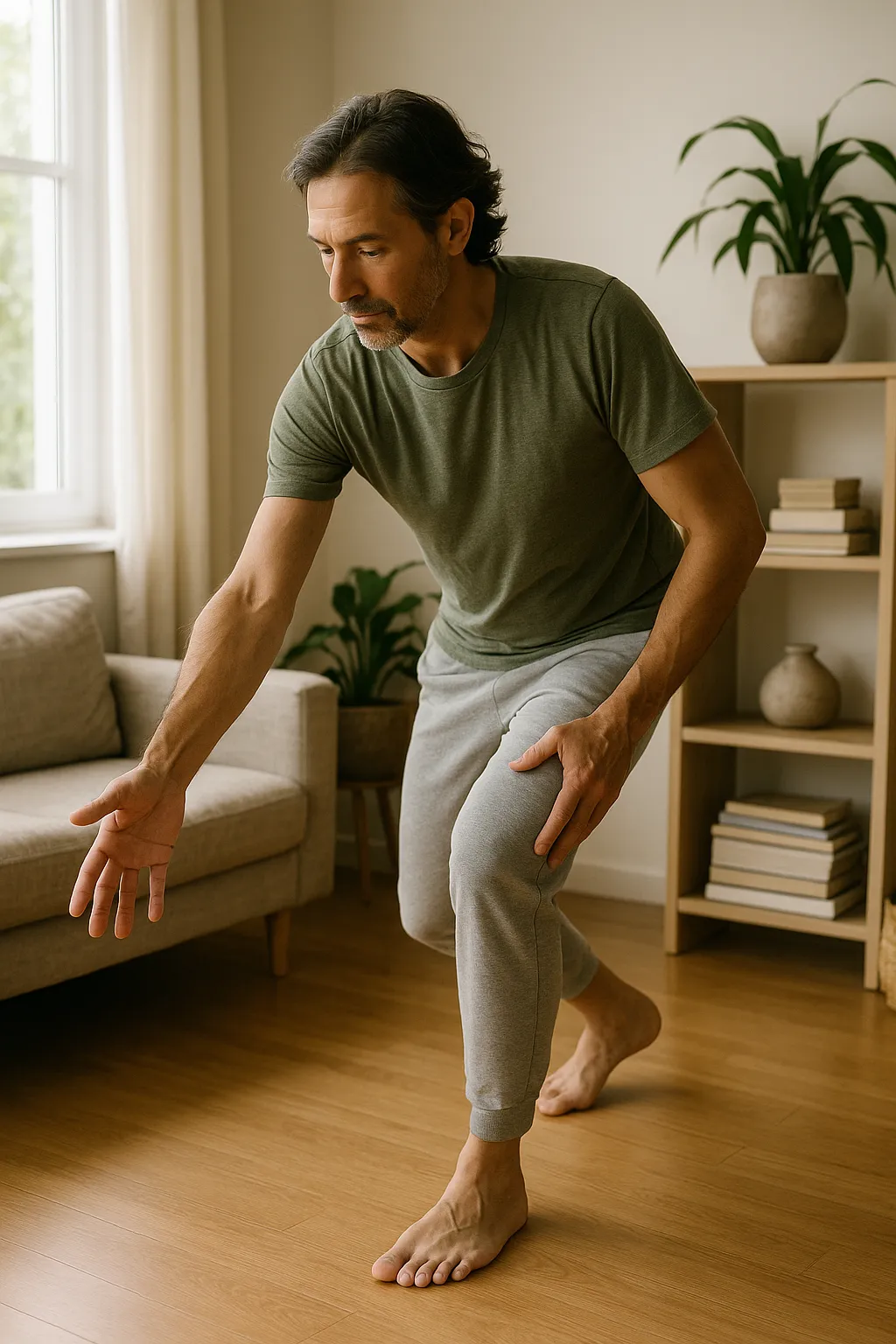
We often think of intelligence as something that happens in the brain. But there’s a kind of wisdom that lives in the body movement intelligence and it shapes how we interact with the world from the moment we wake up.
What Is Movement Intelligence?
Movement intelligence is the integration of mobility, coordination, stability, and awareness in physical activity. It’s not about athletic performance; it’s about how we walk, sit, reach, lift, and transition with ease and awareness.
“How you move through the small moments of life shapes how you show up in the big ones.”
— Wellbeing Magazine
Why It Matters
Movement habits compound over time. A poorly executed bend while unloading groceries or sitting with slouched posture for hours a day can contribute to pain and dysfunction. Movement intelligence builds the foundation for injury prevention and graceful aging.
How to Cultivate It
- Slow Down
Notice how you move. Are you bracing, rushing, compensating? - Vary Your Patterns
Move in different directions — rotate, crawl, roll, carry. Variation improves adaptability. - Strengthen Through Awareness
Focus on core stability, breath control, and joint alignment in daily tasks. - Integrate Mindful Movement Practices
Yoga, Pilates, Feldenkrais, or functional mobility flows build a stronger connection between mind and body. - Tune Into Feedback
Pain, stiffness, or fatigue are messages. Learn to listen early.
Examples in Everyday Life
- Lifting groceries with a hip hinge rather than a rounded back.
- Sitting upright with core support instead of collapsing into a chair.
- Turning to look behind using your spine, not just your neck.
- Walking with soft knees, active glutes, and balanced weight distribution.
For more practices that support body awareness and resilience, explore our Body and Mind categories.
Filed underBack pain, Injury & recovery, Yoga & Pilates, Energy & vitality
About the author
Richard BransonCo Founder
Richard Branson is a fitness and wellbeing enthusiast with a passion for HYROX, cycling, and technology. He shares insights at the intersection of performance, wellbeing, and innovation.