Sun Safety: How safe is your sunscreen?
When we think about sun safety, it’s usually the impact of the sun on our skin that worries us. But as we reach for the sunscreen, there’s another safety…
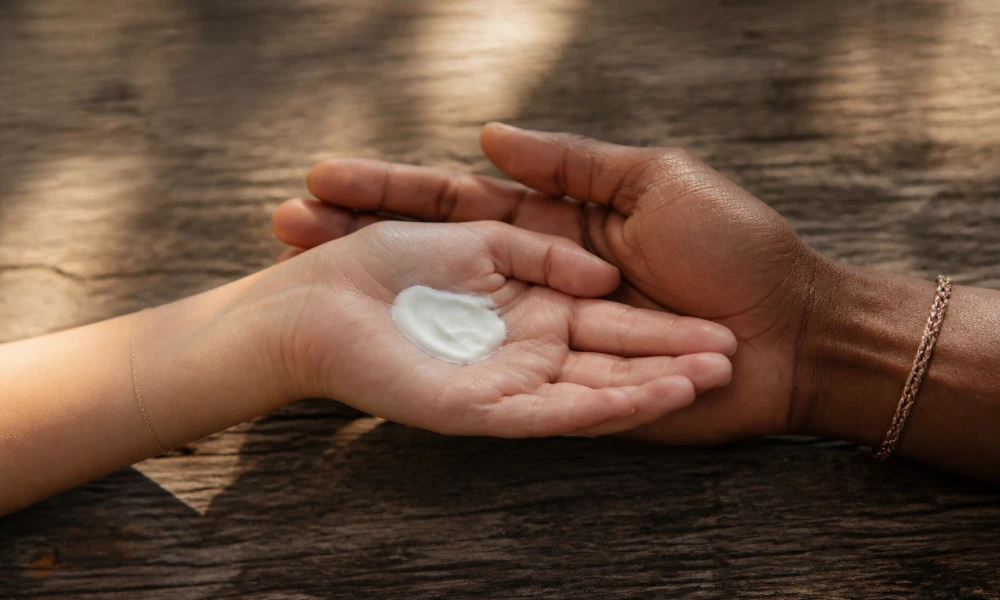
When we think about sun safety, it’s usually the impact of the sun on our skin that worries us. But as we reach for the sunscreen, there’s another safety issue we should be considering: the chemicals our sunscreen is exposing us to.
With summer upon us, many of us reach into the back of the bathroom cabinet for last year’s sunscreen or head straight for our favourite brand that we use year in, year out. But this year, stop and think about what you are putting on your skin and the impact this could have. If you want to review and update your sunscreen choice, how do you find the best product for you whilst avoiding too much chemical exposure?
So if there’s any doubt, you can check your exposure to oxybenzone by taking the new Everyday Chemicals test from lastinghealth. The test screens a single urine sample for the metabolite of oxybenzone (and 26 other chemicals) to identify exposure to this chemical, and tell you how your score compares to the wider population.
Chemicals used in sunscreen
Chemical substances are widely used in sunscreen formulations to protect our skin from burning due to exposure to UVA and UVB rays, and they’re mostly very effective. But with so many products available to choose from, are there any ingredients worth giving a miss?
Oxybenzone (OBZ) is a widely used ingredient in sunscreens, UV face and body products, and some cosmetic products to stabilise formulations. Originating from carbon, oxybenzone absorbs UV rays, so it’s easy to see why it’s a popular ingredient. It acts like an organic filter that absorbs and converts UVB and UVA rays into less harmful forms of energy such as heat.
Although its use in sunscreens is tightly regulated (the maximum concentration permitted in the UK and EU is 6%), it is still a chemical that raises concerns because it is a suspected endocrine disruptor.
It’s also worth being aware of ‘chemical layering’, when multiple products are used together, all with permitted concentrated ingredient levels, but when used together can unknowingly increase your overall exposure levels to chemicals.
Top Five Tips for Choosing and Using Sunscreen
- Look beyond the SPF rating
SPF tells you how much protection a sunscreen offers against UVB rays, but it’s also worth checking the ingredients list to understand what’s in the product you’re using. - Check the ingredients before you buy
Consider using apps such as YUKA to scan products and review their ingredients. If you’re looking to reduce exposure to certain chemicals, watch out for oxybenzone (also known as benzophenone) and octocrylene, which some consumers choose to avoid. - Make sure your sunscreen is still in date
Most sunscreens have a shelf life of around three years if stored correctly. Before heading on holiday, check expiry dates and replace any products that are out of date or have been exposed to excessive heat. - Take your sunscreen with you when travelling
Ingredient regulations can vary from country to country, so if you have a preferred sunscreen, pack enough to last your entire trip. This also helps ensure you’re using a product you know and trust. - Apply enough sunscreen – and reapply regularly
Many people simply don’t use enough sunscreen to achieve the level of protection stated on the bottle. Follow NHS guidance by applying generously and reapplying throughout the day, especially after swimming or sweating. If you use a mineral-based sunscreen, you may need to apply a larger amount to ensure effective coverage.

lastinghealth has launched a new test to give a clearer picture of what chemicals are lurking in everyday places, and what you can do to reduce your contact with them, to bring peace of mind for you and your family.
The new Everyday Chemicals Test is designed to check your exposure to 27 widely used chemicals, including oxybenzone, parabens, phthalates, pesticides, VOCs and chemicals used in plastics. It’s a natural starting point for anyone who’s concerned and wants guidance on chemical exposure, without all the guesswork.
Taking the test is easy - it can turn any concerns about chemicals in thousands of products, including sunscreens, into reassurance and simple steps to reduce exposure. Investing in our health and wellbeing is something we are all doing more and more, whether it’s a gym membership, private health insurance or healthy food boxes, but are we missing another vital health investment – checking our exposure to everyday chemicals?
For a one-off investment of £299, you can establish your exposure to everyday chemicals. Order now at www.lastinghealth.com