
For one of the most challenging years of my life, I utterly dreaded the second half of every cycle.
As a naturopath, I knew the textbook explanations. But nothing prepared me for the reality of PMDD: the tidal wave of despair, the rage that felt completely out of character, and out of control, the bone-deep exhaustion, and the fear that I was somehow losing control of my own mind and body.
Like many women, I tried everything. Supplements, herbs, elimination diets, meditations, hormone-balancing teas… all in the hope that this one would be the thing that finally worked. Some helped, many didn’t, and a few made me worse.
Here’s what actually helped—the natural PMDD supplements that consistently made a difference for me and for the clients I now support. But more importantly, here’s what I learned about what doesn’t work, and why PMDD requires more than symptom management.
Supplements That Didn’t Help
Many women are recommended things like maca, evening primrose oil, or DIM. While these might be helpful in some hormonal imbalances, they don’t always support the deeper neuroinflammatory or trauma-linked roots of PMDD. In my case, some, like maca, triggered overstimulation, worsened anxiety, and some simply made no noticeable difference.
PMDD isn’t caused by a simple hormone deficiency. Research shows that women with PMDD typically have normal hormone levels—but their brain and nervous system are hypersensitive to those fluctuations. A targeted approach, rooted in nourishment and regulation, tends to be far more effective.
The Natural PMDD Supplements That Worked
Magnesium Bisglycinate
Calming, gentle, and profoundly helpful for sleep, irritability, sugar cravings, and muscle tension. It’s my broadest recommendation for anyone with PMDD.
Vitamin B6 (P5P)
The activated form of B6 supports serotonin and GABA production—two neurotransmitters often affected in PMDD. Helpful for rage, mood swings, and low motivation, but should be dosed carefully.
Saffron Extract
A beautiful, research-supported botanical that helped lift the low, heavy feelings of the luteal phase. Gentle enough to use long-term, especially for women sensitive to pharmaceuticals.
Zinc
Critical for neurotransmitter production, immunity, and hormonal resilience. Often low in people with digestive issues or plant-based diets. Helped stabilise emotions and improve skin.
Vitex (Chaste Tree)
This popular herb can be helpful for those with short luteal phases or low progesterone, but isn’t suitable for everyone. It needs to be used with nuance and not as a blanket solution.
Beyond the Pill Bottle
It wasn’t supplements alone that helped me recover from PMDD. The biggest shifts came when I:
- Focused on an anti-inflammatory, whole food, plant-based diet
- Balanced my blood sugar (a major trigger for my PMDD symptoms)
- Worked with trauma-processing methods like Family Constellations and Rapid Core Healing
- Learnt nervous system regulation tools I still use daily
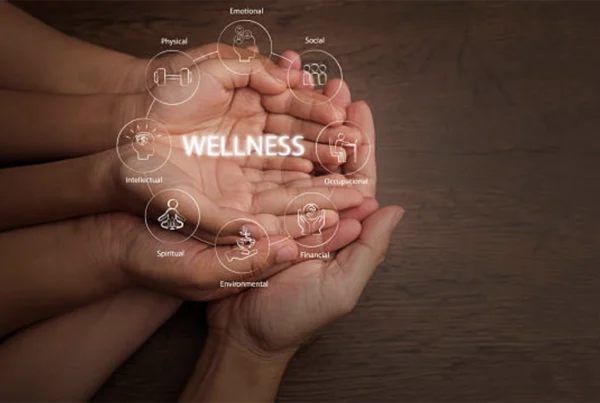
PMDD is a whole-person condition, and healing requires a whole-person approach. Natural tools are incredibly valuable—but only when paired with nourishment, emotional healing, and lifestyle shifts that address the nervous system and deeper stress load.
Gentle Takeaway
If you’re navigating PMDD and feeling like you’ve tried everything, know this: it’s not that you’re too sensitive, or doing it wrong. It’s that PMDD asks us to listen more deeply, and support ourselves more holistically.
Start small. Add in the magnesium. Eat a nourishing breakfast. Take five minutes to breathe (with an emphasis on a deep exhalation).
And if you’re ready for real support, reach out. You deserve to feel safe in your own body again.