
The Oil Rotation System That Doubles Your Savings
Can an oil rotation system actually double your savings? For many businesses-and even some home kitchens-the answer is yes.
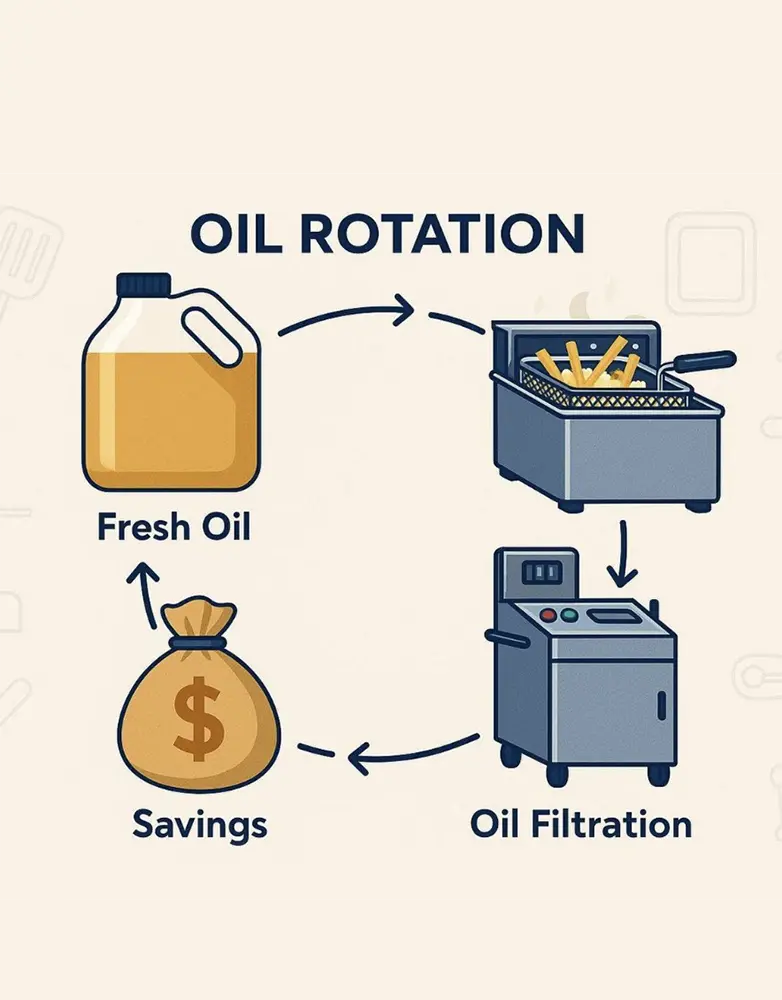
Can an oil rotation system actually double your savings? For many businesses-and even some home kitchens-the answer is yes. This new way of managing cooking oil helps it last longer, which means you buy less oil, throw away less, and save on costs. By making sure oil is used wisely, cleaned, and moved between fryers based on use, these systems help you save a lot of money. If you run a busy kitchen or want to save money on cooking oil, learning how to use an oil rotation system can make a big difference.
The main idea is to get the most out of every drop of oil. Instead of throwing out oil too soon, you clean it, monitor its quality, and move it to fryers that need it most. This saves you on oil purchases, cuts down on waste and disposal costs, and even lowers the work needed from your staff. Smarter oil management can easily double your savings-or more-by making your oil last as long as possible.
What Is the Oil Rotation System That Doubles Your Savings?
An oil rotation system is an organized way to manage, clean, and extend the life of cooking oil, mainly in places that fry a lot of food, like restaurants. It’s more than just filtering the oil-it’s a plan that keeps the oil clean, shares it between fryers for different types of food, and makes sure it gets used to its fullest. By using this system, oil lasts much longer, so businesses buy less fresh oil, save on disposal costs, and spend less time changing oil.
The system uses a mix of advanced filters, quality monitoring, and good oil-handling habits. Because some foods make oil break down quicker, this system keeps "cleaner" oil for foods that don’t make much residue, and moves older oil to fry higher-mess foods. By moving and filtering the oil, you keep its quality up much longer than simply using and dumping it. This organized method is a much more cost-effective and eco-friendly way to manage frying oil.
How Does the Oil Rotation System Work?
The system creates a cycle of using, cleaning, and moving oil between fryers. Think of a kitchen with several fryers. Instead of each fryer working on its own, all become connected through the rotation system.
You start by putting new oil into a fryer set aside for fries or similar clean foods. As you use it, the oil changes and picks up crumbs. Before it gets too old, you run it through a strong filter to take out food bits, water, and impurities. The cleaned oil may then be placed into another fryer, maybe one used for onion rings or chicken, where oil quality doesn’t have to be perfect. As the oil keeps moving to fryers for dirtier jobs, it’s always filtered before being used again. By the time it’s done, every batch of oil has been used as fully as possible. Many systems also include sensors that measure oil quality, letting you filter or change oil only when truly needed, avoiding guesswork.
What Makes This Oil Rotation System Different?
Standard oil management usually means keeping oil in one fryer until it looks dirty, then throwing it away. That wastes oil and money. The oil rotation system uses a planned approach-preserve oil, filter it well, and send it where it will be most useful before disposal.
The big differences are:
- Preservation focus: Oil is treated as something valuable. Advanced filters remove even tiny impurities and water, which slows breakdown and helps the oil last much longer.
- Less manual handling: Many systems feature automated filtration and oil transfer, so staff aren’t carrying hot oil around the kitchen.
- Strategic rotation: Oil quality is matched to the type of food. Fresh oil is used for clean foods, older oil for breaded or battered items, so nothing goes to waste.
- Data and sensors: Some systems track oil quality with specialized meters, giving you real-time information for smart oil management-far better than just relying on appearance or smell.
By mixing modern tools, planning, and automation, oil rotation systems are a big improvement over using oil until it's obviously bad and then discarding it.
Main Benefits of Using an Oil Rotation System
Oil rotation systems save money, but they also do more. They improve kitchen workflow, keep workers safer, and help you serve better food to your customers. The savings pile up fast, and the improved operations are a bonus that makes these systems stand out for any place that fries food regularly.
Extends Oil Life and Cuts Down Waste
The most noticeable benefit is how much longer your oil lasts. Traditional kitchens may toss oil after a few days, but an oil rotation system can make it last twice or three times as long. If you usually use 100 gallons a week but only need 30-50 gallons after investing in this system, you can see right away how quickly the savings build up. You’ll also have much less oil to dispose of, which means both lower disposal fees and a greener business.
| Method | Oil Used/Week | Annual Oil Cost ($3/gal) | Disposal Cost ($0.50/gal) |
| Old Way | 100 gal | $15,600 | $2,600 |
| Oil Rotation System | 30 gal | $4,680 | $780 |
Protects Fryer Equipment
Cleaner oil doesn’t gum up fryers with residue, so you get fewer breakdowns and the machines last longer. Heating elements and pumps don’t have to work as hard, cutting down on repair costs and downtime. Well-maintained fryers heat up more quickly and use less energy, saving you both time and utility costs. You’ll spend less on equipment deep cleaning too.
Makes Food Taste and Look Better
For restaurants, food cooked in good oil is crispy and tastes fresh. Old oil leaves food greasy, dark, or unpleasantly flavored, driving customers away. By keeping oil at its best, fried items come out just right-golden, crisp, less oily, and with no off flavors or odors. This consistency keeps customers coming back and leaves good impressions in reviews.
Lowers Labor and Maintenance Costs
Changing fryer oil by hand is slow and risky, with burn or slip hazards. Oil rotation systems can automate most of the work, meaning staff can focus on cooking and serving customers instead of dealing with hot oil. This also means fewer deep cleans and less chemical use. Fewer accidents and injuries mean lower insurance costs too.
How Much Can You Save with an Oil Rotation System?
The claim that oil rotation systems double your savings is realistic for many businesses. Actual savings depend on your oil use and costs, but combining lower oil bills, cheaper disposal, and less labor can produce huge improvements in your bottom line. Over time, the investment pays for itself quickly.
Oil Rotation System vs. Traditional Oil Use: Side-by-Side Cost Example
| Old Way (Annual) | Oil Rotation System (Annual) | |
| Oil Cost (100 vs 30 gal/week) | $15,600 | $4,680 |
| Labor for Oil Changes | $1,170 | $195 |
| Disposal Fees | $2,600 | $780 |
| Total | $19,370 | $5,655 |
If an oil rotation system costs $5,000, your payback period is less than 5 months, and that's not even counting savings in energy, equipment life, or improved food quality. This quick payoff is why oil rotation is becoming more popular in commercial kitchens.
Ways Your Savings Multiply
- Less Labor: Automated systems mean fewer oil changes, freeing up your staff for other work.
- Lower Disposal Costs: Throwing away less oil means smaller bills for waste pickup.
- Longer Equipment Life: Cleaner oil keeps fryers running better and avoids expensive repairs.
- Lower Energy Costs: Clean fryers use less power since dirty oil doesn’t slow down heating.
- Better Food, Happier Customers: Consistent frying quality boosts reputation and sales.
- Fewer Injuries: Less manual handling lowers accident risks and insurance costs.
Who Should Use an Oil Rotation System?
Not every kitchen needs this system. The more oil you use, the more you’ll benefit. Large restaurants, food factories, and busy fast-food chains save the most because their oil use and waste costs are highest. Smaller kitchens or home cooks may not save enough to offset the cost of commercial-grade oil rotation systems.
Who Benefits the Most
- Busy Restaurants: High-volume frying means the system pays for itself quickly.
- Food Factories: Continuous use and multiple fryers match the system’s strengths.
- Places with Many Fryers: Rotation works best where oil can be moved between stations.
- Quality-Focused Brands: Consistent oil quality keeps food tasting the same every time.
- Labor-Intensive Kitchens: Saving time and reducing oil-handling accidents makes a big impact here.
- Operations Focused on Safety: Automated oil management prevents burns and injuries.
Should Home Cooks Use Oil Rotation Systems?
For home kitchens, these systems are almost never worth the price. Most home fryers only use a few liters of oil, which you can manage with simple filtering. Manual strainers or fine coffee filters can help you use home oil longer at little cost. The return on spending hundreds or thousands of dollars on this equipment just isn’t there for home cooks.
Steps to Start Using an Oil Rotation System
Step 1: Check Your Current Oil Use
Start by seeing how much oil you use, how long it stays good, how much waste you have, and what it costs you, including labor, cleaning, and disposal. Write down numbers for a week or month to set a benchmark before you make changes.
Step 2: Set Up the Equipment
After deciding on a system, install it correctly-mobile units need clear paths, while built-in systems should meet manufacturer requirements for plumbing and electricity. Always follow safety rules and make sure your team understands the new setup, including how to use, clean, and monitor it.
Step 3: Plan Your Oil Rotation
- Use fresh oil in fryers for "clean" foods like fries.
- When oil starts aging, filter it and move it to fryers for messier foods (onion rings, chicken).
- Keep rotating: oil from medium-duty fryers goes to those used for the heaviest, breaded foods.
- When oil from these fryers is finished, dispose of it and start the cycle again with fresh oil.
How often you rotate will depend on the volume of food you fry and your oil quality checks.
Tips for Getting the Most from Your Oil Rotation System
Proper Testing and Filtration
- Use special test strips or electronic oil meters-not just your eyes or nose-to track oil quality daily.
- Filter oil while it’s warm (not hot), and stick to good-quality filters. Dirty filters can ruin efficiency.
- Clean your filtration equipment often. Any dirt or old oil left behind works against all your efforts.
Keep an Eye on System Results
- Keep records of oil changes, filtering, and how many hours each batch is used.
- Watch the performance of your fryers. If cooking times or energy bills climb, it could mean maintenance is needed.
- Check all hoses and pumps for leaks or blockage. Early fixes save money and trouble down the line.
Possible Issues or Drawbacks
Common Myths About Oil Rotation
- Oil doesn't last forever-even with filtration and rotation, oil will eventually break down and need replacing.
- Filtration alone isn’t enough-rotating oil between fryers is just as important.
- Still needs attention-you can’t set up the system and ignore it. Regular checks and maintenance matter.
- Filtration can't "fix" bad oil-If oil is already well past its best, it can't be saved by cleaning.
Compliance and Safety
- Food safety: Always test oil quality. Don’t push oil too far just to save money.
- Local rules: Follow all food code and waste disposal guidelines for your area.
- Maintenance: Make routine cleaning part of your regular workflow. Well-trained staff keep the system running right.
Frequently Asked Questions
Is It Worth the Cost?
If you use a lot of oil each week, the savings from an oil rotation system cover its price quickly-often within months-and add up every year after that. Benefits come from less oil used, less waste, lower labor, and improved equipment health.
Is Maintenance Hard?
Upkeep is simple when done regularly. Common tasks include:
- Daily: Cleaning filters and wiping surfaces.
- Weekly: Deep cleaning pumps and checking filter media.
- Monthly: Looking for leaks, checking electronics, and getting professional servicing if needed.
This is usually less work than constant manual oil changes and deep fryer cleanouts.
What About Synthetic Oils?
Even if you use synthetic oil for machinery or special fryers, you still need regular filtering and checks. While these oils break down more slowly, they still collect dirt and other contaminants. Keeping up with cleaning and monitoring ensures you get the longest life and lowest costs, no matter what kind of oil you use.
Final Thoughts: Is an Oil Rotation System Right for You?
If your kitchen uses large amounts of frying oil, switching to an oil rotation system can help you to save your fry oil, get more value from your oil, and serve better food while keeping your workers safer. It requires a little training and willingness to track oil use, but the benefits add up quickly. For busy restaurants and food plants especially, it’s a smart way to cut costs, improve efficiency, and stand out from the competition. The savings are real and can make a noticeable difference in your operating budget.
Filed underInjury & recovery, Fitness & movement, United States