Why Body Confidence Is Not Always About Looking Different but Feeling Like Yourself Again
Body confidence is often treated like a before-and-after photo. A smaller waist. A smoother face. A new dress size. A different reflection in the mirror.…
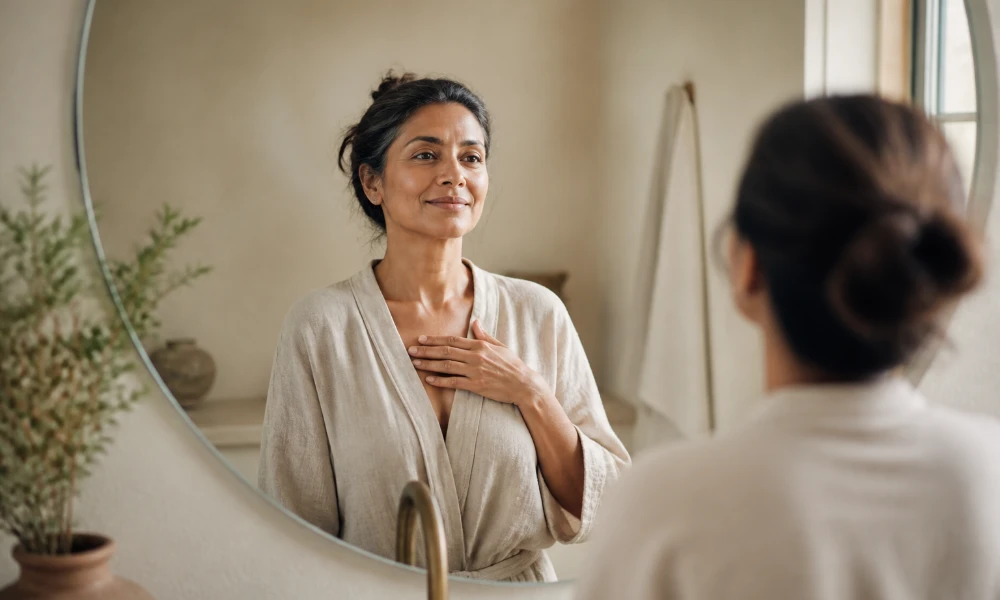
Body confidence is often treated like a before-and-after photo. A smaller waist. A smoother face. A new dress size. A different reflection in the mirror.
But honestly, that misses the real story for many people.
For a lot of women and men, body confidence is not about wanting to look like someone else. It’s about wanting to feel familiar with themselves again. That feeling can fade after pregnancy, aging, illness, weight changes, grief, stress, or a major life shift that changes how the body looks, moves, or feels. One day, you catch your reflection in a shop window and think, “That’s me, but it doesn’t quite feel like me.”
That moment can be quiet. It can also be hard.
When Your Body Feels Like It Has Lived Several Lives
Bodies hold stories. Some are joyful, some are painful, and some are a bit of both.
Pregnancy can leave marks that feel meaningful and strange at the same time. Aging can change skin, posture, and energy in ways that arrive slowly, then all at once. Weight loss can bring pride, but also loose skin or a shape that feels unfamiliar. Illness can change strength, hair, scars, appetite, or the way a person trusts their body. Grief can show up in the shoulders, the face, the stomach, and the way someone carries themselves.
You know what? It’s possible to be grateful for what your body has survived and still feel unsettled by how it has changed.
That is not vanity. It’s human.
We often talk about acceptance as if it means never wanting anything to change. But real acceptance is more honest than that. It lets you say, “This is my body, and I’m learning how to live in it.” Sometimes that means rest. Sometimes it means therapy. Sometimes it means strength training, better sleep, new clothes, medical advice, skincare, or a small personal ritual that helps you reconnect.
And for some people, it means exploring appearance-related choices with care.
Confidence Is About Recognition, Not Perfection
There’s a big difference between chasing perfection and seeking recognition.
Perfection says, “I’ll only feel good when I look flawless.” Recognition says, “I want to look in the mirror and feel like myself again.”
That difference matters.
A person who has gone through a major weight change doesn’t always want a brand-new body. They often want their clothes to sit comfortably and their skin to feel less like a reminder of what they went through. A mother after breastfeeding doesn’t always want to erase motherhood from her body. She may simply want to feel balanced again. Someone recovering from illness doesn’t always want to hide every scar. They may want to feel less defined by treatment, pain, or survival mode.
This is where the conversation gets more tender.
Body confidence is not just visual. It’s emotional. It’s sensory. It’s the way you stand in a room. It’s how you feel when someone takes your photo. It’s whether you avoid mirrors, swimsuits, intimacy, or social events because your body feels like a stranger.
Not everyone understands that. People can be quick to say, “Just love yourself.” And yes, self-love matters. But self-love is not a switch. It’s a relationship. Like any relationship, it needs patience, repair, and sometimes help.
The Difference Between Transformation And Restoration
The word “transformation” gets used a lot in beauty, fitness, and wellness. It can sound exciting, but it can also create pressure. It suggests that the old version of you was not enough.
Restoration feels different.
Restoration is softer. It asks, “What helps you feel steady again?” It doesn’t demand that you become unrecognizable. It leaves room for history, texture, scars, age, and real life.
A person may restore confidence by rebuilding muscle after years of stress. Someone else may restore it by cutting their hair after grief, buying clothes that fit their current body, or returning to dance, swimming, or yoga after avoiding movement for years. Another person may restore it through counseling, because the pain was never only about appearance.
And yes, some people consider clinical or cosmetic options as part of that wider process. The healthiest decisions tend to come from self-understanding, not panic. That means asking clear questions, checking credentials, understanding recovery time, and being honest about motivation. For example, someone researching plastic surgery in Fort Worth should think beyond the procedure itself and consider emotional readiness, physical health, realistic expectations, and the quality of care they receive before and after treatment.
A good decision should not feel rushed. It should feel informed.
Your Body Is Not A Project, But It Does Need Care
There’s a tricky balance here.
On one hand, your body is not a DIY project that must be fixed every time life leaves a mark. On the other hand, caring about how you feel in your body is not shallow. Both things can be true.
It helps to ask better questions. Not “What’s wrong with me?” but “What do I need right now?” Not “How do I become someone else?” but “What helps me return to myself?”
Those questions lead to better choices.
For some people, the answer is movement. Not punishment workouts, but movement that rebuilds trust. A slow walk after surgery. Lifting weights after weight loss. Stretching stiff hips after years at a desk. Dancing in the kitchen while dinner burns a little. These small acts tell the body, “We’re on the same team again.”
For others, the answer is better medical support. Hormonal changes, fatigue, skin changes, pain, and mood shifts deserve real attention. It’s easy to blame confidence when the body is actually asking for care. Blood work, physiotherapy, nutrition advice, mental health support, or a conversation with a qualified doctor can change the whole picture.
Then there’s clothing, which sounds simple but isn’t. Wearing clothes that fit your current body can be emotional. People hold onto old jeans like a court verdict. But clothes are meant to serve you, not shame you. A well-fitting outfit can feel like a deep breath.
The Mirror Is Not The Whole Measure
The mirror gives information, but it does not tell the full truth.
Body confidence also shows up in tiny daily moments. Saying yes to lunch with friends. Letting yourself be in photos. Wearing the dress without tugging at it all night. Going to the beach and actually feeling the sun instead of thinking about your stomach. Hugging someone without folding inward.
These moments count.
Sometimes people notice their confidence returning before their appearance changes much at all. Their posture opens. Their voice gets clearer. They stop apologizing for taking up space. That kind of confidence is less glossy, but it’s stronger.
It comes from belonging to yourself.
And belonging to yourself is not always loud. It can be as quiet as moisturizing your skin after a shower, booking a health appointment you’ve avoided, or putting away clothes that no longer fit the life you’re living now.
Big Life Moments Can Bring Old Feelings Back
Even when someone has done a lot of healing, major milestones can stir things up again. Weddings, reunions, birthdays, cultural ceremonies, family portraits, and holidays often come with cameras, outfits, relatives, and memories. Suddenly, body image is not just private. It feels public.
For many families, events such as South Asian Hindu weddings carry deep meaning, color, tradition, and emotion. They can also involve days of photos, clothing changes, and social attention. Wanting to feel present during those moments is not superficial. It’s part of being able to enjoy the day without being trapped in self-conscious thoughts.
The same is true for people planning events, venues, or creative businesses around celebrations. Even practical work like SEO for wedding venues connects back to how people search for meaningful spaces where they can feel seen, comfortable, and connected. That may sound like a small link, but it isn’t. The places where life happens often shape how we remember ourselves in that season.
And really, that’s the point. Confidence is not just about the body in isolation. It’s about how the body lets you participate in life.
Feeling Like Yourself Again Is A Valid Goal
Nobody gets through life unchanged. The body keeps score in its own way. It softens, scars, stretches, tightens, weakens, heals, and adapts. Some changes become beloved. Others take time. Some never feel easy, but they become part of the story.
Body confidence does not have to mean loving every angle, every mark, every change, every day. That’s a lot to ask. It can mean treating yourself with less cruelty. It can mean making choices from care instead of shame. It can mean wanting comfort, recognition, and peace.
Looking different is not always the goal.
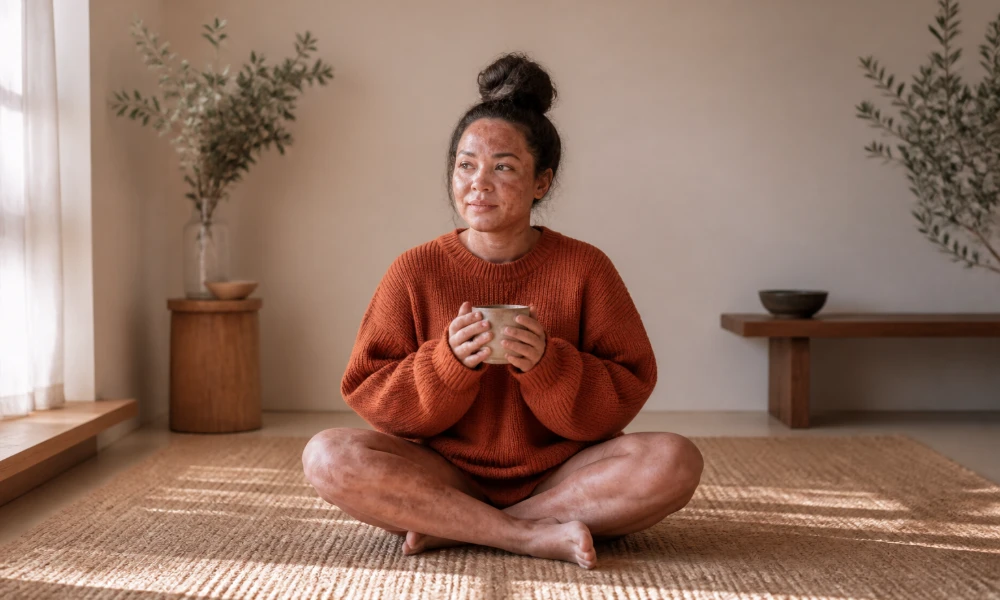
Sometimes the real wish is simpler and deeper: to wake up, get dressed, move through the day, and feel at home again. Not perfect. Not polished. Just yourself.
And that is enough to matter.
Filed underFertility & pregnancy, Weight management, Grief & loss, Fitness & movement