My first trip of the year led me to Dorset, to one of the most quietly powerful places I have experienced in the UK. An invitation to attend the Thought to Destiny retreat at Sculpture by the Lakes, led by its founder Simon Gudgeon, felt like a fitting way to begin a new chapter—one rooted in reflection, creativity and conscious thought.
The retreat draws its inspiration from Simon’s latest book, Sculpted Soul, which explores how our inner landscape shapes the lives we create. As both an artist and a wellbeing practitioner, Simon brings together sculpture, nature, sound and stillness in a way that feels deeply intuitive rather than instructional.
Arriving in Art and Nature
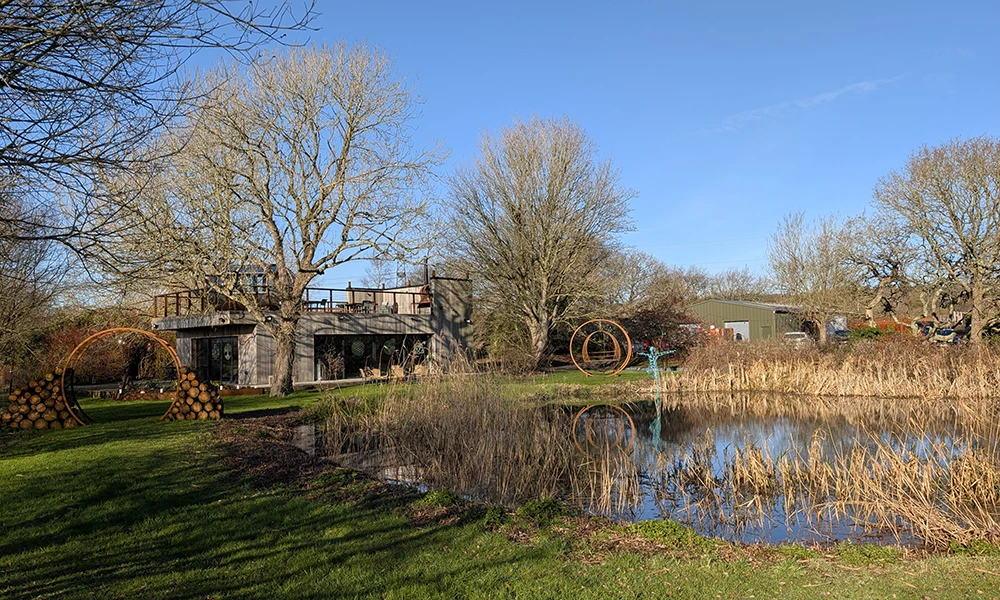
I arrived on a crisp winter morning, sunlight glinting across the lakes and illuminating the monumental sculptures that quietly inhabit the landscape. Before the retreat began, I wandered into the Maker’s Yard—an inviting space filled with curated handmade gifts, books, cards and nourishing homemade food from the Kitchen, alongside locally sourced produce in the Pantry.
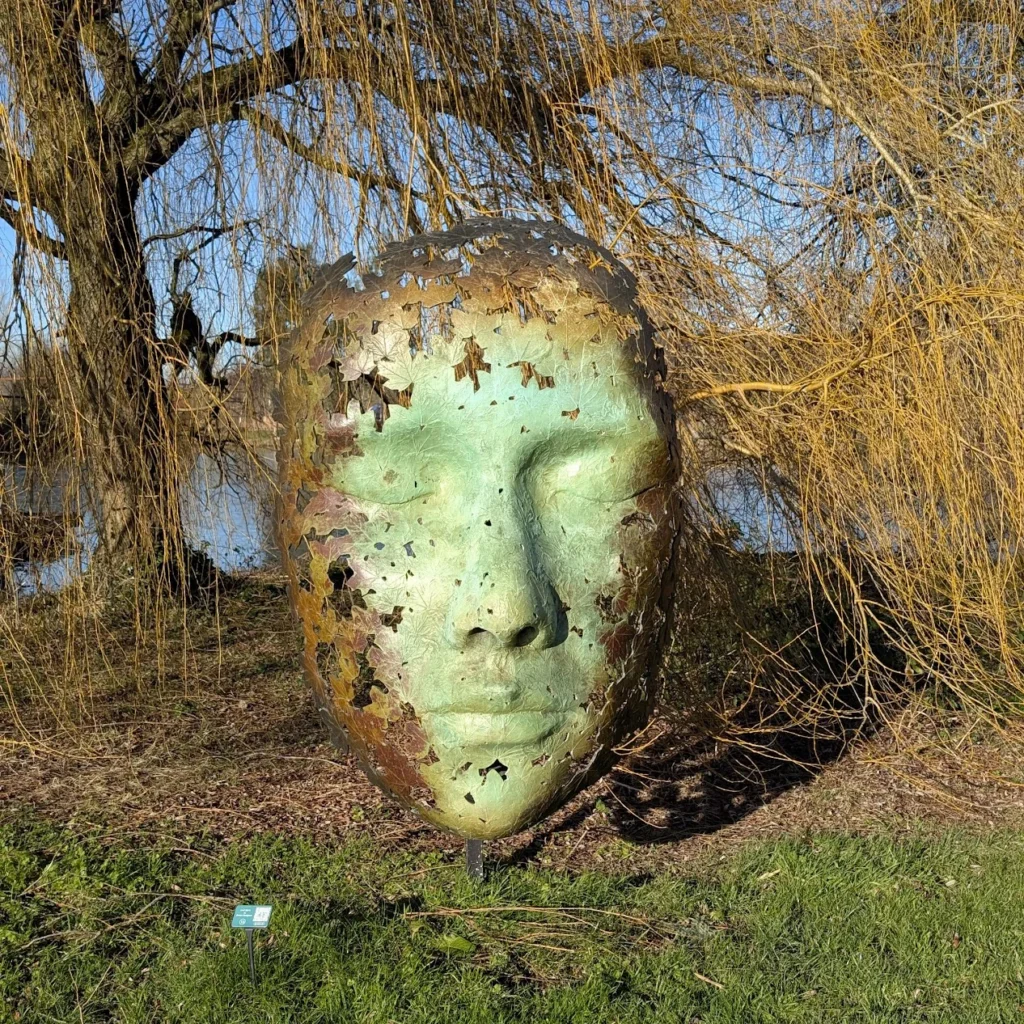
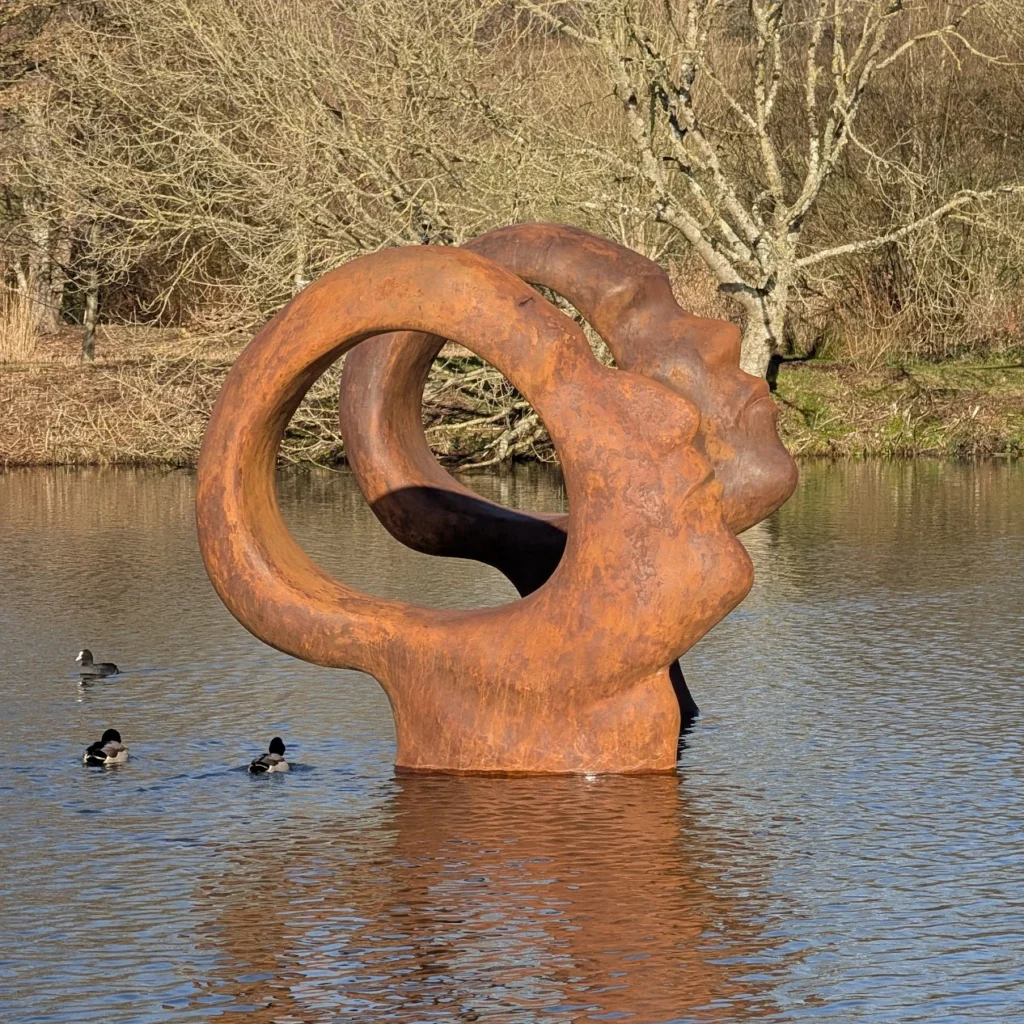
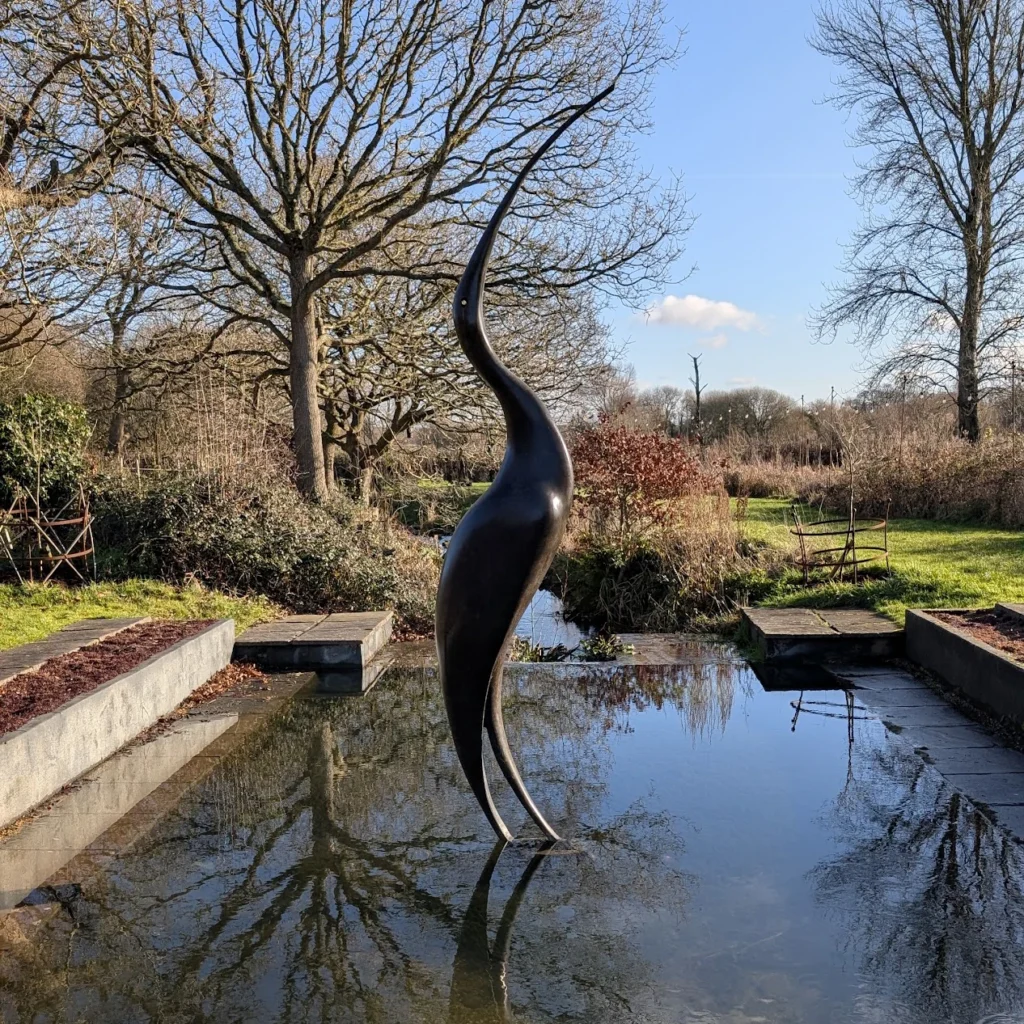
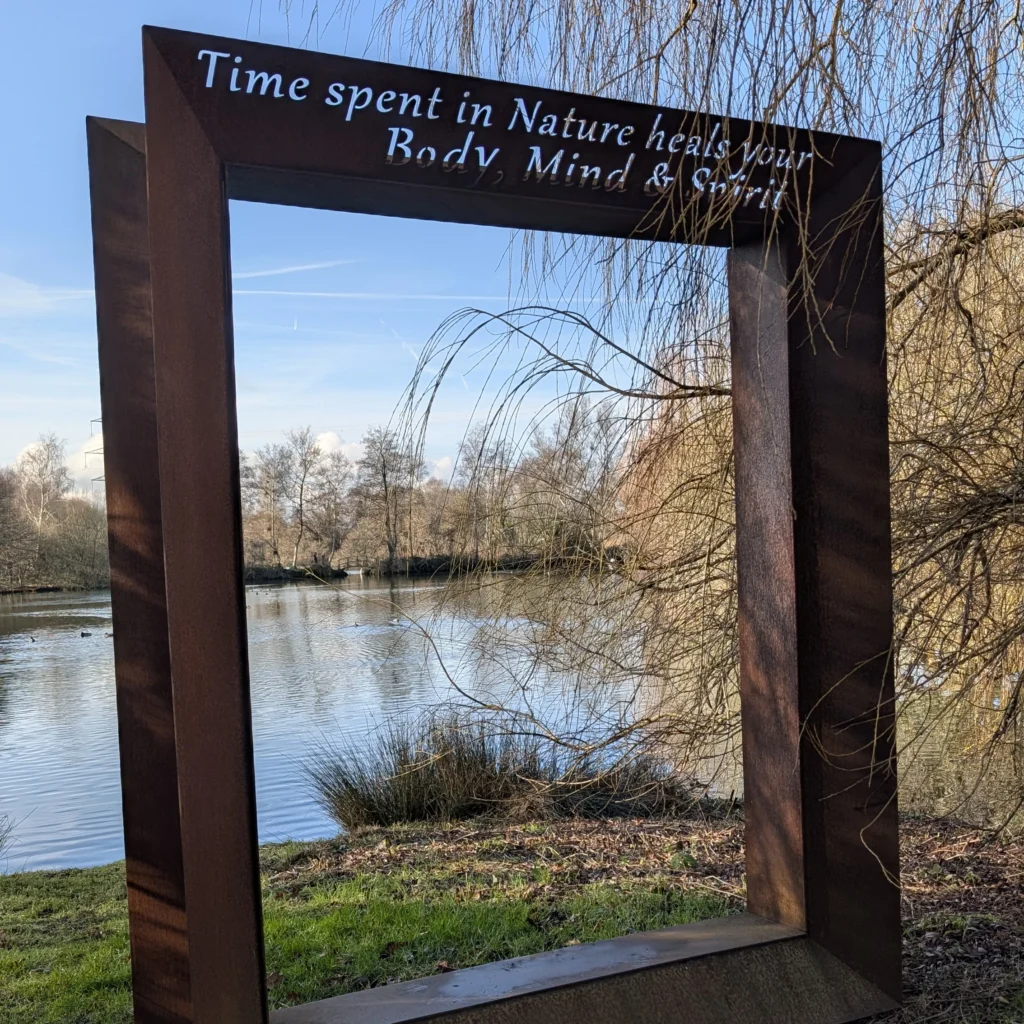
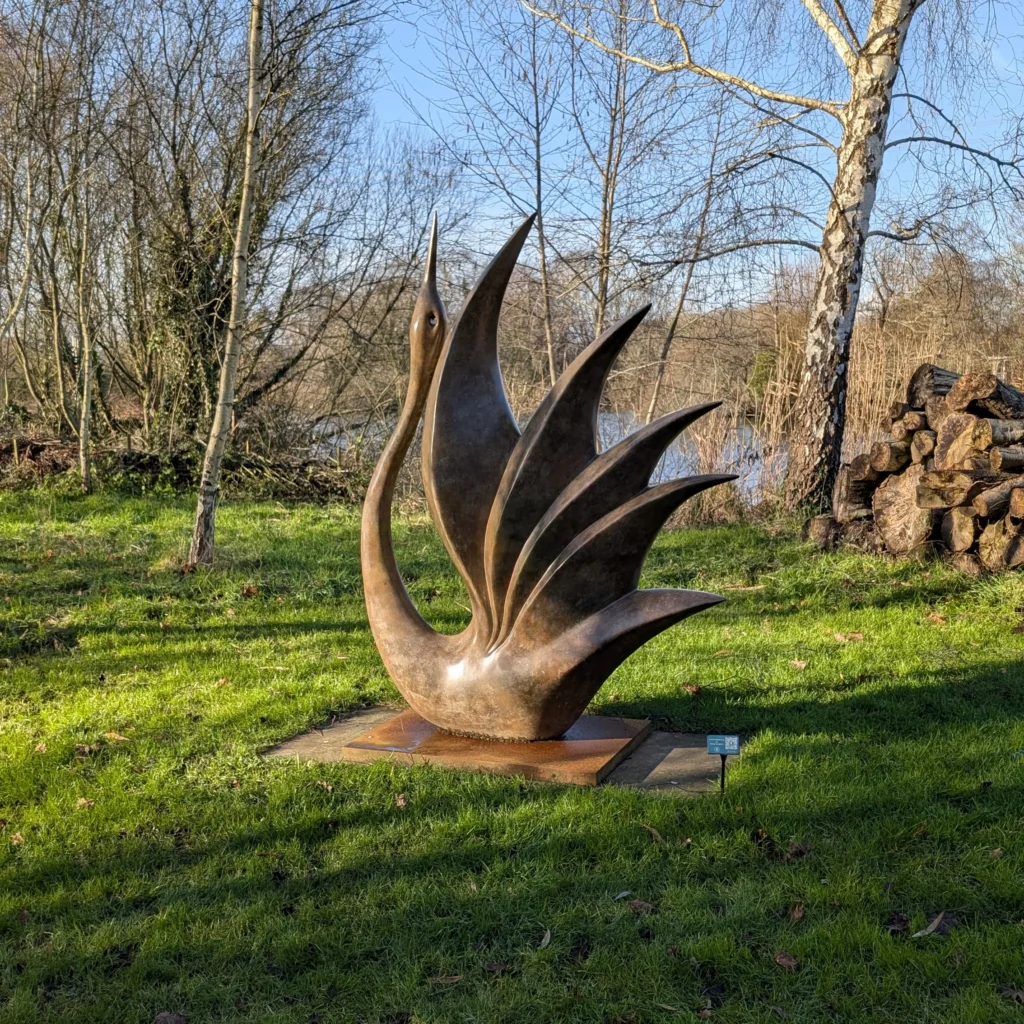
Set within 26 acres beside Dorset’s River Frome, the sculpture park is home to more than 120 works positioned across lakes, streams and meandering paths. Described as one of the most beautiful and unique settings in the UK, it is a place where art and landscape work in seamless harmony. Walking the grounds can take anything from 45 minutes to a full day, but it is best experienced slowly—allowing the nervous system to settle and the senses to fully engage.
Entering the Retreat Space
Stepping into the purpose-built retreat space felt like entering something sacred. A wood-burning stove glowed softly, warming the room, while a central altar of pine cones, crystals and candles anchored the space. Cushions radiated outwards, inviting us to settle in and gently arrive.
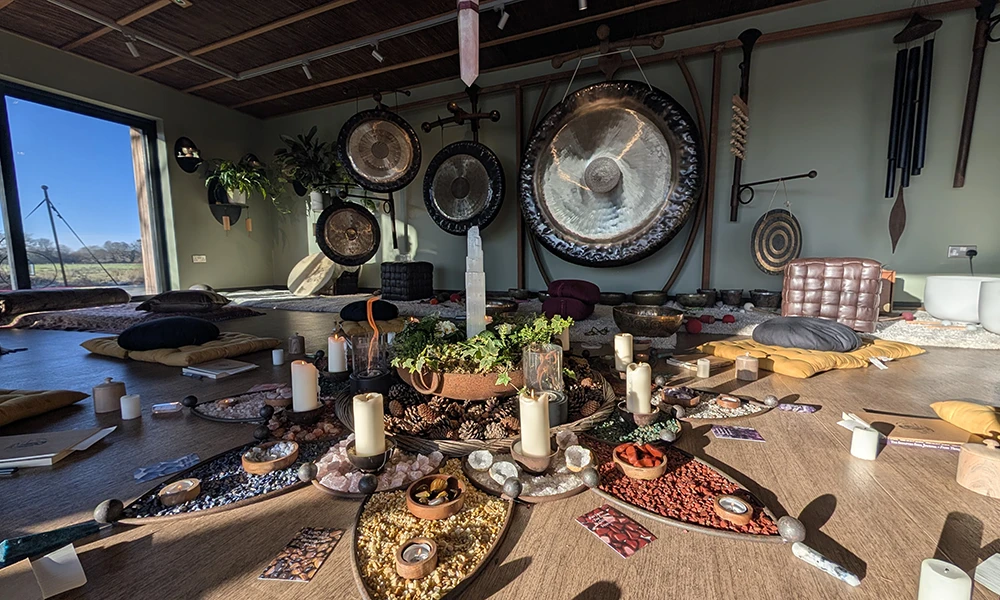
Along one wall stood an impressive array of gongs, displayed within a bespoke frame. The largest—recently arrived from Germany—emitted a deep, resonant tone when gently tapped, its vibration lingering in the air. It hinted at what was to come later in the day and stirred a quiet anticipation among us.
We each chose a crystal to work with for the day. I was drawn to one associated with adventure, growth and good fortune—an intention that felt perfectly aligned with the year ahead.
Thoughts, Thinking and the Inner Landscape
The morning began with a gentle meditation, followed by an open discussion on the nature of thought. What surfaced for me was a realisation of how much mental energy is spent trying to solve imagined futures—scenarios that may never happen. Neuroscience supports this: studies suggest that a significant percentage of our daily thoughts are repetitive and negatively biased, often focused on perceived threats rather than present reality. This habitual thinking can keep the nervous system in a state of low-grade stress, even in moments of safety. Recognising this was both sobering and liberating.
Shamanic Drumming and Rhythm
With the winter sun shining, we moved outside for a shamanic drumming session around a fire pit—one of Simon’s sculptural creations. Shamanic drumming has long been used in indigenous cultures to induce meditative states, using rhythm to synchronise brainwaves and support deep relaxation.
It was my first time playing a shamanic drum. Eyes closed, I allowed myself to find my own rhythm, merging with the collective pulse of the group. Simon invited us to chant, to express sound without self-consciousness. The experience was grounding, expansive and surprisingly emotional—a reminder that sound is felt as much as it is heard.
Sound, Nature and Transformation
After journalling and writing down something we were ready to release, we broke for lunch in the café. I then took time to walk the lakes, absorbing the sculptures before sitting down with Simon to talk more about his journey.
Originally trained as a solicitor, Simon’s path shifted later in life—first through painting, then sculpture, and now incorporating sound and breathwork alongside his work as a sculptor. Hosting wellbeing events at the park led him to buy his first Tibetan singing bowl, sparking a fascination that grew into formal training with the Academy of Sound Healing. Today, his sound baths blend gongs, singing bowls and intention into deeply immersive experiences.
Sound baths work on both a physiological and emotional level. Low-frequency vibrations stimulate the vagus nerve, helping the body move from a sympathetic (fight-or-flight) state into parasympathetic rest. Many people experience reduced anxiety, improved sleep and a sense of mental clarity following regular sound practices.
Simon spoke candidly about age, wisdom and the power of thought. He shared that his biological age tests significantly younger than his chronological age—a reflection, perhaps, of a life shaped by creativity, nature and conscious living.
Fire, Release and Renewal
In the afternoon, we returned to the theme of thought through a small fire ceremony. One by one, we burned the pieces of paper we had written on earlier, symbolically releasing what no longer served us. Fire rituals have been used across cultures as a way of marking transition—transforming intention into action through embodied experience.
A Sound Bath Like No Other
The day closed with a 90-minute sound bath. I drifted in and out, wrapped in layers of vibration and silence. It was, without question, one of the most profound sound experiences I have had—enhanced by the setting and the care with which the space had been created.
Contrary to expectation, I didn’t leave feeling sleepy. Instead, I felt light, clear and quietly energised.
Beyond the Day
Our final circle returned once more to the subject of thought—what we had learned, and what we wished to carry forward. This retreat marked the beginning of a 15-week programme designed to help participants reshape habitual thinking into greater calm, clarity and purpose.
Driving home, I reflected on how rare it is to find a place that holds art, nature and wellbeing so gracefully together. Sculpture by the Lakes is not just an art venue; it is a living, breathing sanctuary—one that invites us to slow down, listen deeply and, perhaps, sculpt our own souls with greater care.
For those seeking inspiration, restoration and a deeper connection to both thought and creativity, this is a place—and an experience—worth discovering.
- About the Author
- Latest Posts

Rachel Branson is the Founder of Haywood Media and Editor-in-Chief of Wellbeing Magazine, where she has spent more than twenty years exploring the relationship between health, wellbeing and the environments in which we live. Her passion for housing began growing up in her family’s estate agency, where her grandfather, father and uncles worked as a Chartered Surveyor specialising in commercial, residential property and new homes. She later became Head of Communications for a social housing provider, working closely with communities and new developments. Bringing together experience across property, housing, communications and wellbeing, Rachel is developing a new body of work focused on how homes and neighbourhoods can be designed to support healthier, happier lives through every stage of life.