Most of us think of first aid as something we learn for work or because a form asks for it. In practice, knowing how to respond in an emergency is also a useful wellbeing skill. It can reduce panic, build quiet confidence and help you act when someone nearby needs urgent care.
Prompt defibrillation within three to five minutes of cardiac arrest is linked with survival rates as high as 50 to 70 percent. For every minute defibrillation is delayed, a person’s chance of survival drops by roughly 10 percent. Current first aid certification does not make you a paramedic, but it can help you recognise critical moments and respond safely.
Below is a practical look at what training usually covers, where those skills show up in daily life, how to choose an accredited course in Australia and how to get started.
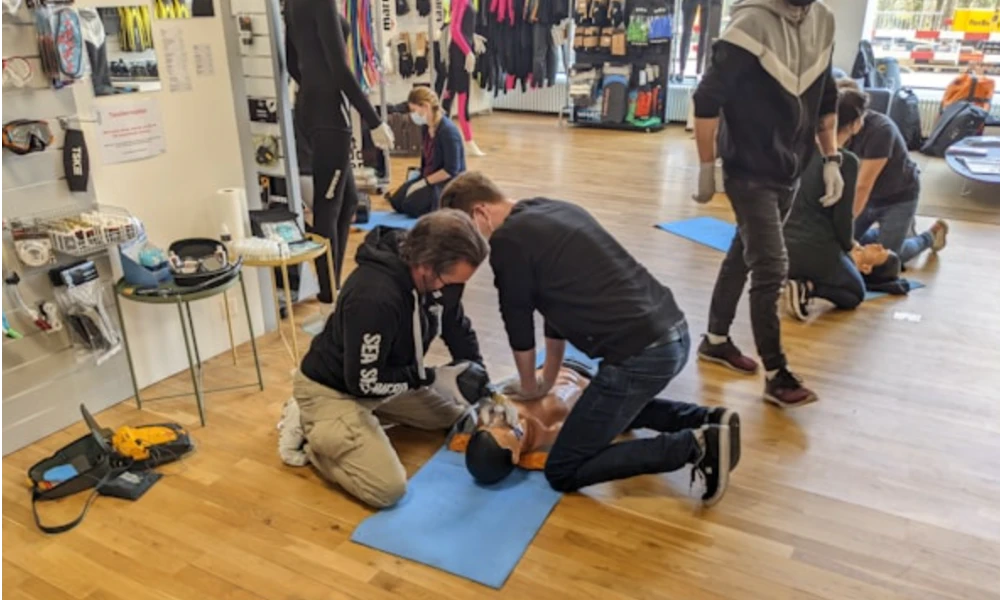
How first aid training supports everyday wellbeing
A Cochrane review found that first aid training for laypeople probably increases knowledge, skills and self-efficacy in the short term. In plain terms, people who have trained often feel calmer and more willing to step in during an emergency.
That sense of readiness can carry into everyday life. Parents may feel steadier supervising backyard play. Colleagues may feel less helpless if someone collapses at work. Weekend hikers can be better prepared when help is not close by.
Australian research also links lower regional CPR training rates with lower bystander CPR and lower survival after out-of-hospital cardiac arrest. When more people in a community keep their skills current, everyone benefits.
Understanding CPR basics can also make first aid feel useful in daily life, like a practical skill, because it shows how simple actions can support someone until paramedics arrive.
What first aid certification usually teaches
Accredited courses in Australia generally cover a core set of skills. While specific units and course lengths vary between providers, you can expect to practise the following:
- Recognising an emergency and checking for danger
- Calling Triple Zero (000) and communicating clearly with operators
- CPR for adults, children and infants
- Choking response
- Managing bleeding, burns and fractures
- Bites, stings and allergic reactions, including anaphylaxis
- Safe use of an automated external defibrillator (AED)
Real competency comes from hands-on practice under qualified instruction, not just reading about techniques. That is why ANZCOR and the Australian Resuscitation Council recommend refreshing CPR skills at least annually.
Real-life moments where skills matter
First aid situations rarely look like dramatic scenes on television. They tend to be quiet, sudden and close to home.
A toddler chokes on a piece of fruit at a family barbecue. A teammate rolls an ankle at Saturday’s sport. A colleague has a severe allergic reaction in the office kitchen. A bushwalker slips on a rock and cuts their shin three hours from the nearest road.
In each case, the person nearby who can stay calm, call 000 if needed and provide basic care can make a genuine difference.
It is important to stay within the boundaries of your training. For serious symptoms such as chest pain, difficulty breathing or loss of consciousness, call Triple Zero (000) immediately and follow the operator’s instructions until paramedics arrive.
Choosing a course in Australia
With many providers advertising first aid courses, a few practical checks can help you find the right fit.
Look for a registered training organisation (RTO). Safe Work Australia advises that first aiders hold nationally recognised statements of attainment issued by an RTO. This is the standard most workplaces and sporting clubs expect.
Check what is included. If you spend time around children, confirm that the course covers infant and child CPR. Some providers include this in a general session, while others offer it separately.
Consider format and location. Many courses combine a short online theory component with a face-to-face practical session. Think about what suits your schedule and how far you are willing to travel.
Plan your refresher. ANZCOR guidance recommends refreshing CPR skills at least once a year. Some workplaces require a full first aid refresher every three years. Set a calendar reminder when you book so the date does not slip past you.
Getting certified: simple steps to start
Getting started is simpler than many people expect. This sequence works for most learners:
- Decide which course suits your needs. A general first aid course is the most common starting point.
- Choose a date and book through an RTO that offers nationally accredited training.
- Complete any online pre-learning before your practical session.
- Arrive ready to practise on manikins and work through scenarios with other learners.
- Set a reminder for your next CPR refresher so your skills stay current.
If you are based in Western Australia, you can book a first aid course in Perth through a provider page that lists nationally accredited options and online booking.

Safety notes and healthy boundaries
First aid is about providing immediate care until professional help arrives. It is not a substitute for medical diagnosis or treatment.
When in doubt, or if someone shows severe symptoms, call Triple Zero (000) straight away and follow the operator’s instructions.
Good Samaritan civil-liability protections exist across Australian jurisdictions. In New South Wales, for example, section 57 of the Civil Liability Act 2002 offers protection to people who act in good faith.
Western Australia has similar provisions under Part 1D of its Civil Liability Act 2002. Details and exceptions vary by state and territory, so the safest approach is to act in good faith and within the scope of your training.
Final thoughts
Learning first aid is a practical way to build confidence and support the safety of people around you. Treat the training and refreshers like any other wellbeing habit worth keeping.
FAQ
Is first aid certification the same as a CPR certificate?
Not exactly. A CPR certificate covers cardiopulmonary resuscitation specifically, while a broader first aid certificate includes CPR alongside other skills such as wound management, choking response and anaphylaxis. Many providers offer both as separate or combined courses.
How often should I refresh my skills?
ANZCOR recommends refreshing CPR skills at least annually. Full first aid qualifications generally need to be renewed every three years, though workplace policies may set shorter intervals.
Can teenagers learn first aid?
Yes. Many RTOs accept learners from around 14 years of age, and some schools include first aid in their curriculum. It is a useful life skill at many stages of life.
What should I do first in an emergency?
Check for danger, then call Triple Zero (000) if the situation is serious. Follow the operator’s instructions while you provide care within your training.
Am I legally protected if I help someone?
Good Samaritan protections exist in every Australian state and territory, but the specifics differ. Generally, if you act in good faith and without expecting payment, you are protected. Acting within the boundaries of your training is the best guide.
- About the Author
- Latest Posts

Our Editorial Team are writers and experts in their field. Their views and opinions may not always be the views of Wellbeing Magazine. If you are under the direction of medical supervision please speak to your doctor or therapist before following the advice and recommendations in these articles.