Creating a Calm Home: Why the First Call Should Be to a Roofer
Known for its tree-lined streets, lakefront views, and welcoming suburban atmosphere, Highland Park offers a peaceful lifestyle just outside Chicago. However, Midwest weather can quickly challenge even the most well-maintained homes. After a major storm, issues like cracked shingles, unexpected leaks, or water stains spreading across ceilings can create stress and uncertainty for homeowners.
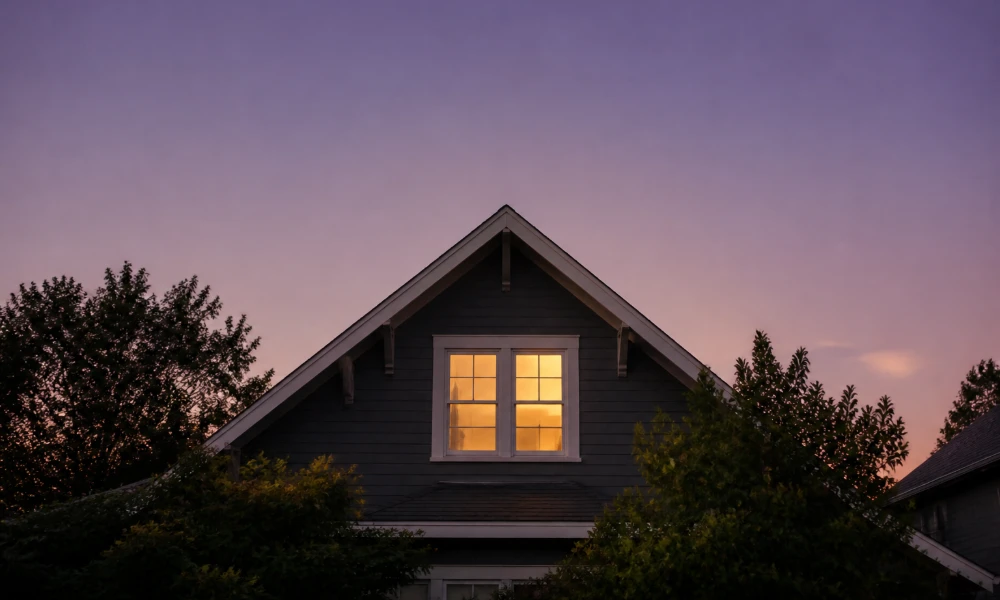
Known for its tree-lined streets, lakefront views, and welcoming suburban atmosphere, Highland Park offers a peaceful lifestyle just outside Chicago. However, Midwest weather can quickly challenge even the most well-maintained homes. After a major storm, issues like cracked shingles, unexpected leaks, or water stains spreading across ceilings can create stress and uncertainty for homeowners.
When that happens, most homeowners do not think about painters, landscapers, or even plumbers first. They think about the roof. And there is a good reason for that instinct.
1. The Roof Sets the Tone for the Whole House
A home only feels calm when its foundation, both literal and emotional, feels secure. The roof is the part of the house doing the most quiet, unseen work every single day. It blocks wind, sheds rain, holds in heat during winter, and keeps the whole structure dry.
The moment that protection feels uncertain, everything else in the home feels a little less settled too. That is why roof concerns tend to jump to the top of the to-do list, even ahead of more visible projects.
2. Small Signs Are Easy to Miss
Roof trouble rarely announces itself loudly. It usually shows up as small, easy-to-dismiss details that homeowners notice but do not always act on right away.
• A faint water stain on a ceiling or upper wall
• Shingle granules collecting in the gutters after rain
• A slightly uneven or sagging roofline
• Daylight visible through the attic boards
• A musty smell that was not there before
None of these signs feel urgent on their own. Together, though, they are usually the first whisper of a bigger problem forming above the ceiling.
3. Why So Many Homeowners Call a Roofer First
When these warning signs appear, many homeowners prefer to act quickly rather than rely on guesswork. That’s why residents often keep a trusted roofer highland park Illinois, contact saved before issues arise, instead of searching for help during a roofing emergency.
Lakeland Exteriors & Roofing has built a name in the area by responding quickly and explaining issues in plain language instead of technical jargon, which matters most when a homeowner is already feeling stressed about their own house.
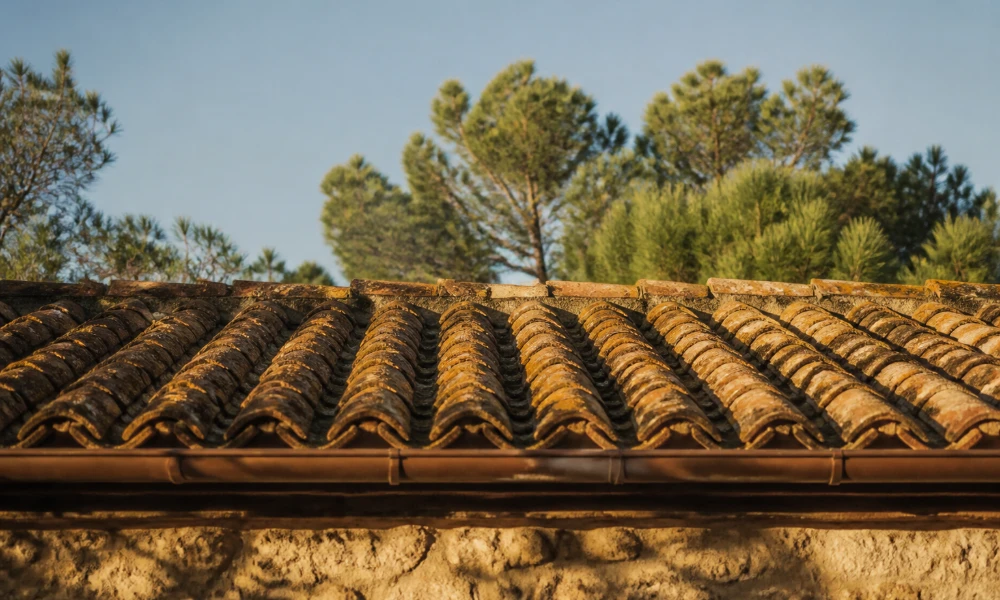
That kind of straightforward communication does more for a homeowner's peace of mind than people expect. Knowing exactly what is wrong and what it will take to fix it replaces anxiety with a plan.
4. The Insurance Angle Most People Forget
Roof damage is also one of the most common reasons homeowners file an insurance claim in the first place, which makes a quick inspection more than just a comfort decision.
According to the Insurance Information Institute, wind and hail damage account for roughly 40 percent of all homeowners insurance claims, and close to one in 36 insured homes files a wind or hail claim every single year. Storms that roll through the Chicago area are squarely part of that pattern.
A fast, professional inspection after a storm does two things at once. It documents the damage for an insurance claim, and it stops a small issue from spreading while no one is looking.
5. What a Calm-Minded Homeowner Does Differently
Homeowners who feel genuinely at ease about their roof usually share a few habits in common, and none of them require much effort.
- They schedule a roof check after major storms, not just when a leak appears
- They keep one trusted contractor's number saved, instead of searching under pressure
- They ask questions until an explanation actually makes sense
- They treat small repairs as routine maintenance, not emergencies
These habits are simple, but they shift roofing from a source of dread into a normal part of home upkeep, which is exactly the point.
6. What a Professional Inspection Actually Involves
Many homeowners picture a roof inspection as someone glancing up from the driveway. A proper one is far more thorough than that, and knowing what to expect helps separate a careful contractor from a rushed one.
• A walk across the entire roof surface, not just the visible front slope
• A check of flashing, vents, and seams where leaks most often start
• Photos documenting any damage, useful for both repairs and insurance
• A written summary explaining findings in plain, non-technical language
If an inspection skips most of these steps, it is worth asking why before agreeing to any repair work that follows.
7. Choosing a Roofer You Can Trust Long Term
The goal is not just finding someone for one repair. It is finding a contractor a homeowner feels comfortable calling again, without dreading the conversation.
That usually comes down to communication style as much as technical skill. A roofer who explains options clearly, answers questions without getting defensive, and follows through on what they promise earns repeat calls naturally, storm after storm.
Final Thoughts
A home can have beautiful furniture, fresh paint, and a well-kept yard, and still feel uneasy if the roof is in question. That single structural layer carries an outsized share of a homeowner's peace of mind.
Making the roof the first call, rather than an afterthought, is not overreacting. It is simply recognizing what actually keeps a home feeling calm, season after season.
Filed underCalm