Why Remote Patient Monitoring is Gaining Widespread Acceptance
In recent years, remote patient monitoring (RPM) has evolved from an innovative idea into a trusted component of modern healthcare
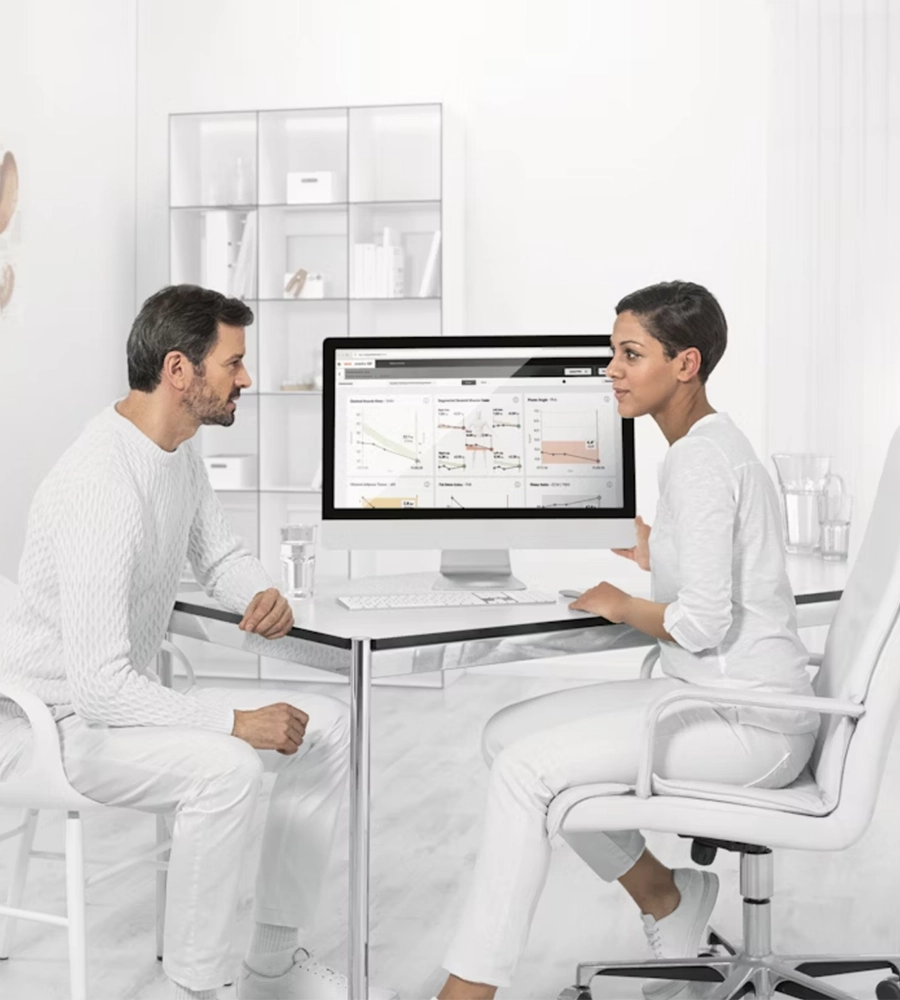
In recent years, remote patient monitoring (RPM) has evolved from an innovative idea into a trusted component of modern healthcare. RPM refers to a set of tools and technologies that allow healthcare providers to monitor patients' health outside traditional clinical settings. What was once considered an optional enhancement is now proving to be an essential solution.
From elderly patients with complex needs to young individuals managing long-term illnesses, RPM is making healthcare more responsive and personal than ever before.
By this year, more than a quarter of the US population will use some type of RPM device. The shift toward this model isn't merely driven by technological advancement. It is also influenced by a deeper understanding of the benefits RPM brings to both patients and providers.
Here are some of the most important reasons why remote patient monitoring is gaining such widespread acceptance from both patients and healthcare providers.
RPM Software is More Readily Available
The global RPM system market, as of 2023, is valued at $5.2 billion. The increased availability of remote patient monitoring software has played a central role in the broader adoption of RPM. Software developers are working on a growing range of RPM solutions designed to meet the diverse needs of hospitals and home health providers.
This accessibility has made it easier for even smaller clinics to integrate RPM into their care models without needing extensive IT infrastructure.
Of course, not all RPM software is created equal, however. The most effective programs are those that provide real-time access to patient health data and integrate seamlessly with electronic health records (EHRs). It is also influenced by a deeper understanding of the benefits RPM software development brings to both patients and providers.
According to CoachCare, a good RPM system prioritizes user experience. This is particularly important for wearable devices used by patients. A good user experience ensures that patients feel empowered to manage their health status while healthcare providers receive data that is accurate and actionable.
Besides, the best software platforms are compliant with data privacy regulations, ensuring that sensitive health data remains secure. This is especially important given the increase in healthcare data breaches in recent years.
Insurance Companies are Also Investing in RPM
RPM stands out as a cost-effective solution that also enhances care quality. Insurance companies increasingly recognize that continuous monitoring of a patient's health status can prevent complications that often result in emergency visits or hospital admissions.
Moreover, insurers are aligning their reimbursement strategies with these goals. In fact, remote patient monitoring reimbursement rates are typically higher than telehealth, reflecting its value in promoting early intervention and long-term disease management. For healthcare providers, this financial support makes adopting RPM clinically sound and also economically viable.
From the insurance company’s perspective, the investment is justified. Preventing a single hospitalization for a diabetic or heart failure patient through ongoing monitoring can result in thousands of dollars in savings. This is a win-win for everyone involved: patients receive better care, providers earn fair compensation, and insurers avoid costly medical events.
Healthcare Providers are Witnessing the Tangible Benefits
On the front lines, healthcare providers are increasingly vocal about the positive impact of RPM on their workflows and patient relationships. What was once seen as a disruption is now viewed as a vital extension of care.
Doctors and nurses can use RPM to keep tabs on patients who might otherwise fall through the cracks, especially those managing complex chronic conditions. The ability to detect signs of decline early and adjust treatment plans proactively is a game-changer for patient safety.
For providers working in rural or underserved areas, RPM offers a lifeline. In such places, even countries like the US are struggling to provide optimal healthcare facilities. RPM bridges the geographic divide and helps maintain consistent contact with patients who might have difficulty traveling to appointments.
RPM also reduces administrative burdens by streamlining communication and automating alerts, allowing providers to prioritize urgent cases without overlooking routine care.
Patients are Embracing the Control and Convenience
It’s not just providers and insurers who are driving the momentum. Patients themselves are playing a significant role in RPM’s rising popularity. Many patients now expect such options to be part of their care plan.
Remote patient monitoring tools give individuals a sense of control over their health. Whether it’s tracking blood pressure daily or receiving real-time feedback from a nurse, patients feel supported without feeling micromanaged.
This empowerment often translates into better health behaviors, stronger engagement in treatment plans, and an overall sense of accountability for their well-being.
Convenience is another critical factor. For people juggling work, caregiving, or mobility issues, avoiding unnecessary clinic visits is a major relief.
RPM allows patients to stay connected with their care teams from the comfort of home, while still receiving personalized, timely attention when needed. This hybrid approach to care delivery is proving to be more aligned with modern lifestyles and expectations.
Frequently Asked Questions (FAQs)
How does remote patient monitoring reduce hospital admission rates?
Remote patient monitoring helps detect health issues early, allowing doctors to intervene before conditions worsen. It supports continuous care for chronic illnesses, reducing emergency visits and avoidable hospital stays. Patients can manage their health better from home, and healthcare providers receive alerts if vital signs deviate from safe ranges, helping prevent complications.
Can you remotely monitor a patient from a different part of the world?
Yes, patients can be remotely monitored from anywhere as long as both sides have internet access and secure systems in place. Cloud-based platforms allow doctors to receive real-time updates and data regardless of distance. However, time zones, connectivity, and local medical regulations may affect how quickly or effectively care is delivered across borders.
What kind of health data do remote patient monitoring systems collect and transmit?
Remote monitoring systems gather data like heart rate, blood pressure, oxygen saturation, glucose levels, weight, temperature, and sometimes ECG readings. These devices transmit the data to healthcare providers through encrypted channels. This continuous flow of information helps track trends, manage treatment, and alert caregivers to sudden changes in patient health.
The widespread acceptability of remote patient monitoring is not the result of a single trend but the convergence of many. At the heart of this shift is a deeper transformation in healthcare, one that values continuous engagement, data-driven insights, and proactive support.
As RPM continues to evolve and gain traction, it has the potential to supplement traditional care and redefine how healthcare is delivered altogether.
Filed underHeart health, India & Sri Lanka, United States, Connection