Utility contractors work in some of the most physically demanding and hazardous environments in any industry.
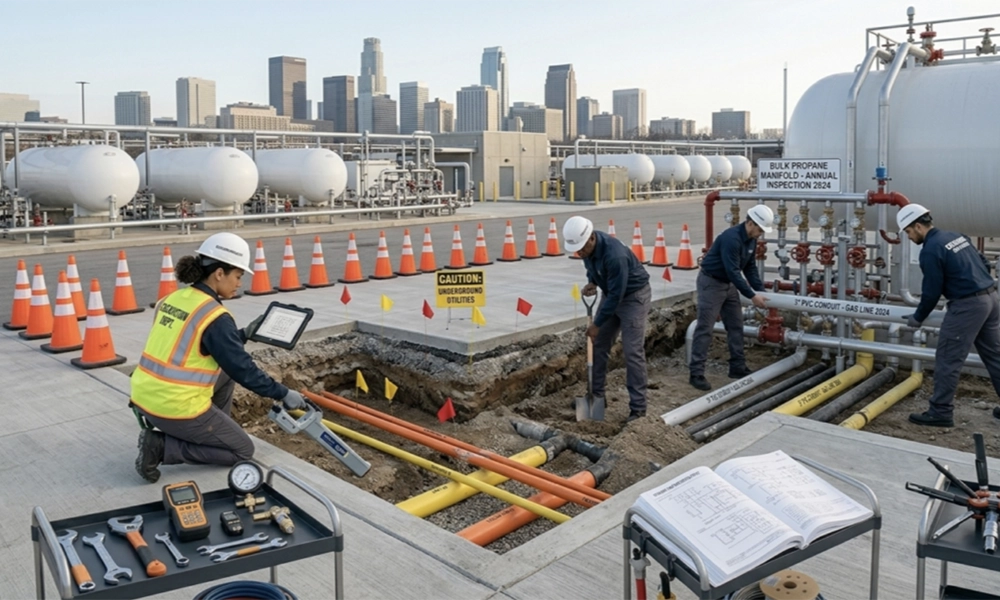
Every day on a jobsite carries real risk to life, health, and financial stability.
Yet most contractors carry insurance policies that weren’t built with their actual well-being in mind. Standard commercial coverage leaves critical gaps that can devastate a worker, a crew, or an entire operation when things go wrong. Utility contractor insurance built for this type of work changes that.
What Does Wellbeing Actually Mean on a Utility Jobsite
Wellbeing in utility contracting isn’t just about physical safety. It’s about knowing that if something goes wrong, you, your crew, and your business won’t be financially wiped out.
A worker who gets injured on the job and faces a coverage gap doesn’t just suffer physically. The financial stress, the uncertainty, the potential for lost income — these compound the harm far beyond the original incident.
That’s the real well-being problem. And it starts with the wrong insurance policy.
The Unique Hazards Utility Contractors Face Every Day
Utility work puts crews in direct contact with hazards that most commercial policies weren’t designed to account for.
Underground excavation near live gas lines, high-voltage electrical exposure, work in confined spaces, and heavy equipment operation in unpredictable terrain — these aren’t edge cases. They’re daily realities.
A single strike on an unmarked gas main doesn’t just cause property damage. It can result in explosions, fires, and severe injuries. The physical harm to workers can be catastrophic. And if the coverage isn’t there, the financial harm that follows compounds the damage.
| Quick Summary: Utility contractors face daily exposure to high-severity hazards including underground gas lines, live electrical infrastructure, confined space work, and heavy equipment. These risks go far beyond what standard commercial policies are designed to cover, leaving both physical and financial wellbeing at risk. |
Where Standard Policies Fail Contractor Wellbeing
Standard commercial general liability (CGL) policies were built for predictable, low-severity business risks. Utility contractors are not that.
Here’s where the gaps become dangerous for worker and business wellbeing:
Workers’ Compensation Gaps
Standard workers’ comp policies may not correctly classify utility contractors, especially those doing underground or electrical work. Misclassification means undercoverage. If a worker is injured and the classification doesn’t match the actual work performed, claims can be disputed or underpaid.
That’s a worker sitting at home, injured, fighting an insurance company instead of recovering.
No Mental Health Considerations
Utility workers experience high rates of workplace trauma. Witnessing a serious accident, working under constant physical stress, or managing the psychological weight of hazardous conditions takes a real toll.
Standard policies rarely build in provisions that address mental health support or trauma-related claims. A purpose-built policy for utility contractors does.
Inadequate Medical Coverage After Serious Incidents
High-voltage electrical incidents and gas explosions can cause severe, long-term injuries. Standard policies with low medical payment limits leave workers without adequate coverage for extended treatment, rehabilitation, or permanent disability.
| Quick Summary: Standard policies fail utility contractor wellbeing in three key ways. They misclassify workers’ comp exposure, exclude mental health from serious incident coverage, and cap medical payments at levels that fall short of the real cost of major injuries in utility work. |
How the Right Utility Contractor Insurance Supports Worker Safety
A specialty policy designed for utility contractors doesn’t just manage liability. It actively supports a safer, more stable working environment.
Proper Workers’ Compensation Classification
When your policy correctly classifies your crews by the actual work they perform, every claim is handled accurately. Workers get paid. Recovery isn’t delayed by disputes over coverage eligibility. That matters enormously when someone is injured and off the job.
Occupational Accident Coverage
For contractors who work with independent crews or subcontractors, occupational accident coverage fills the gap that standard workers’ comp may not reach. It provides medical and income replacement benefits for workers who fall outside traditional employment classifications.
Broad Medical Payment Coverage
Specialty utility contractor programs include higher medical payment limits built for the severity of this industry. A worker who suffers electrical burns or crush injuries from equipment needs coverage that reflects the actual cost of care, not a cap designed for a retail slip-and-fall.
Safety Programs and Insurance: Two Sides of the Same Goal
Good utility contractor insurance and strong jobsite safety programs work together. They aren’t separate concerns.
Insurers who specialize in utility contractor risks often provide access to safety resources, loss control consultants, and site audit support. These aren’t perks. They reduce incidents, which protects workers and controls claim frequency.
A contractor who runs a tight safety program and carries the right coverage creates a cycle that benefits everyone on the crew.
| Quick Summary: Specialty utility contractor insurance and proactive safety programs are complementary. The right insurer brings risk management resources alongside coverage, which lowers incident rates and gives workers better protection when accidents do occur. |
The Financial Wellbeing Side: Protecting the Business So Workers Keep Working
When a contractor’s business is financially exposed, workers feel it too. Project shutdowns, uninsured claims, or out-of-pocket legal costs put jobs at risk.
Here’s what a proper policy protects on the business side:
- Underground operations coverage: Pays for damage when crews strike unmarked utility lines, preventing massive uninsured losses that threaten the business
- Completed operations coverage with a multi-year tail: Protects against claims that surface years after a project closes, keeping the business solvent long after the job ends
- Pollution liability: Covers cleanup costs when excavation disturbs legacy contamination, preventing six-figure out-of-pocket exposure
- Contractor’s equipment coverage: Replaces or repairs boring machines, vacuum excavators, and trenchers in the field so work can continue and crews stay employed
When the business is protected, the people working in it are protected too.
What to Look for When Choosing Utility Contractor Insurance
Not every broker can place this type of risk. General commercial brokers often default to the nearest standard market, which is rarely the right fit for utility work.
When evaluating coverage options, focus on these specifics:
- Does the policy include underground utility damage coverage, or does it carry a standard exclusion?
- Are workers correctly classified for the actual hazards they face?
- Does the completed operations tail extend long enough for your project types?
- Is pollution liability included, or excluded like most standard markets?
- Does the insurer have loss control resources specific to utility contractor operations?
Ask these questions before you bind. Read the exclusions. A broker with direct access to specialty markets will be able to answer these clearly.
FAQs
What does utility contractor insurance cover for worker safety? Utility contractor insurance covers workers’ compensation, occupational accident benefits, and medical payments for on-the-job injuries. Specialty programs include broader medical limits and correct worker classifications so crews receive full benefits after serious incidents on utility jobsites.
Why do utility contractors need specialty insurance instead of standard coverage? Standard policies exclude underground property damage and pollution liability, misclassify utility workers’ comp risk, and cap medical payments at levels too low for this industry’s injury severity. Specialty utility contractor insurance is built around these actual exposures.
Does utility contractor insurance support mental health and trauma recovery? Some specialty programs include provisions for mental health support and trauma-related claims, which are more common in high-hazard industries. This is rarely offered through standard commercial policies and should be asked about specifically when evaluating coverage.
How much liability coverage do utility contractors typically need? Most utility contracts require at least $2M per occurrence and $5M aggregate. Municipal and large commercial contracts often specify $5M to $10M. Coverage should match actual contract requirements and the scope of work your crews perform.
- About the Author
- Latest Posts

Our Editorial Team are writers and experts in their field. Their views and opinions may not always be the views of Wellbeing Magazine. If you are under the direction of medical supervision please speak to your doctor or therapist before following the advice and recommendations in these articles.