The Return to the Dancefloor
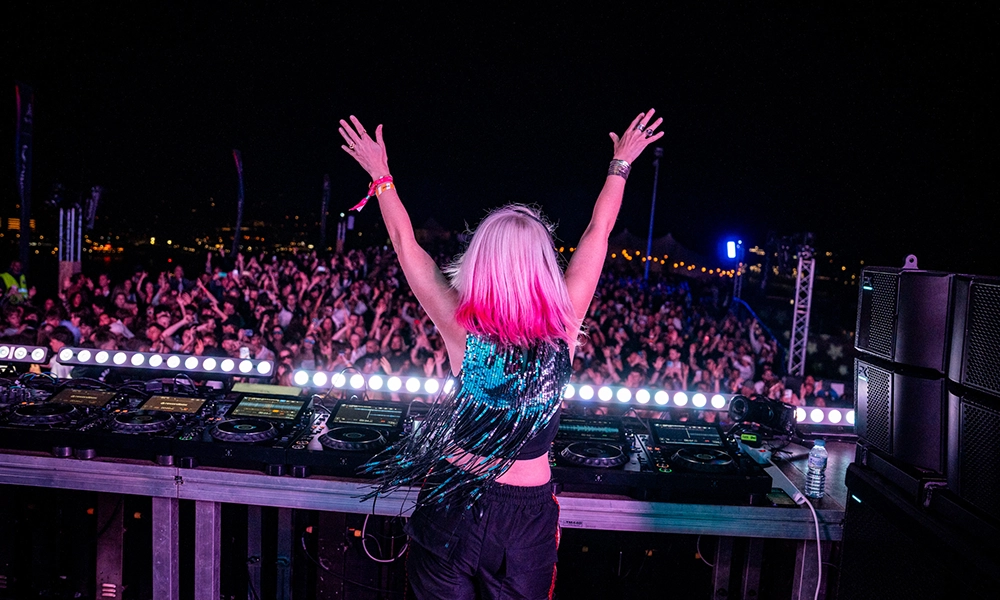
There are moments in life when something we believe belongs to our past returns, not as nostalgia, but as necessity. For me, that moment arrived on a dancefloor. As a teenager immersed in Birmingham’s club culture of the 1990s, dancing was never simply something I did at weekends. It was release, identity, rebellion and belonging. In dark rooms filled with basslines, under strobe lights and through the collective pulse of strangers moving as one, something extraordinary happened. Time dissolved. The mind softened. The body took over. Without having the language for it then, I now understand those nights offered something deeply medicinal.
Losing and Rediscovering Connection
Like many people, I assumed I had left that part of myself behind. Work became a priority, then family, then the beautiful demands of building a life. The dancefloor became a memory — part of another chapter. Yet in recent years, I have felt a longing, not simply to go “out” again, but to reconnect with a feeling I once knew so intimately. To move. To lose myself in music. To return to a part of myself I hadn’t realised I was missing. But when I attempted to revisit nightlife, something often felt absent. Friends and I would find ourselves in half-empty clubs, disconnected from music we could not quite relate to, standing among younger clubbers and wondering whether perhaps we had simply aged out of something we once loved.
Rediscovering the Magic of Modern Club Culture
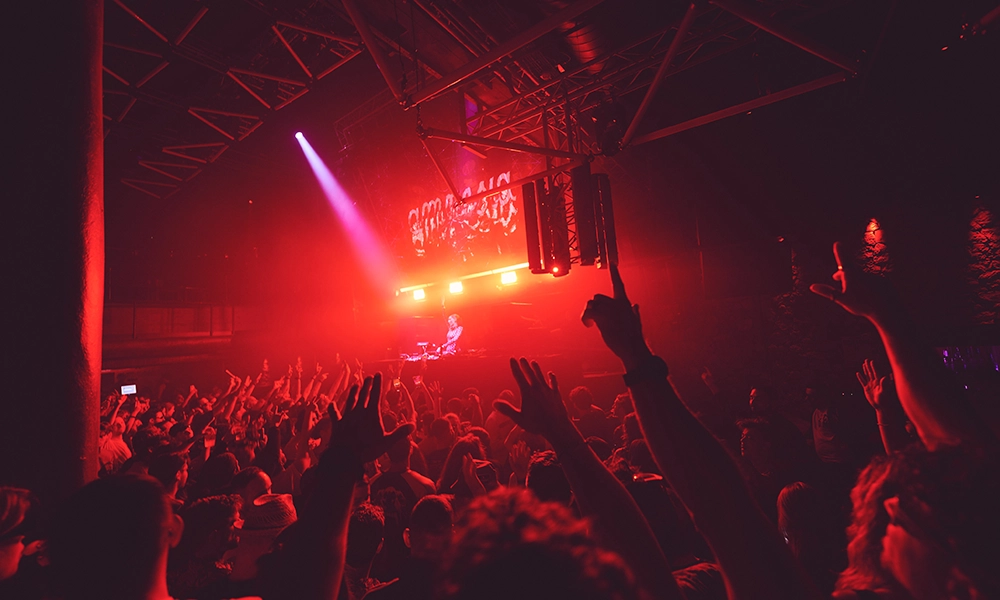
Then, unexpectedly, I remembered. Seeing Miss Monique at Drumsheds was a revelation. The energy, the immersion, the shared euphoria of a room united by rhythm reminded me that the magic had not disappeared at all. It had simply become harder to find.
And then, in Ibiza, something shifted even further. Although I had long loved the island for its wellbeing side — the sea, the stillness, the restorative spirit that has drawn me back so often — stepping inside Pacha Ibiza for the first time changed my perception of what the modern dancefloor could be. Here, I did not feel out of place. I felt welcomed. People of all ages and backgrounds had gathered not to perform, but to dance. There was no sense of “too old,” no invisible threshold after which joy no longer belonged to you. There was only movement, music and belonging.
Dance as Medicine and Wellbeing
It made me question whether the dancefloor is not something we age out of, but something we need to return to. We speak endlessly about wellbeing today — about longevity, nervous system regulation, breathwork, supplements and biohacking — yet one of the oldest and most accessible forms of medicine may be hiding in plain sight. Dance has accompanied humanity across cultures for millennia as ritual, celebration, catharsis and communion. It regulates the body, lifts mood, releases emotion and fosters social connection. It invites presence. It returns us to ourselves. In many ways, dance offers precisely what modern wellness seeks. And yet we have rarely spoken about club culture in those terms.
The International Music Summit and the Rise of Conscious Clubbing
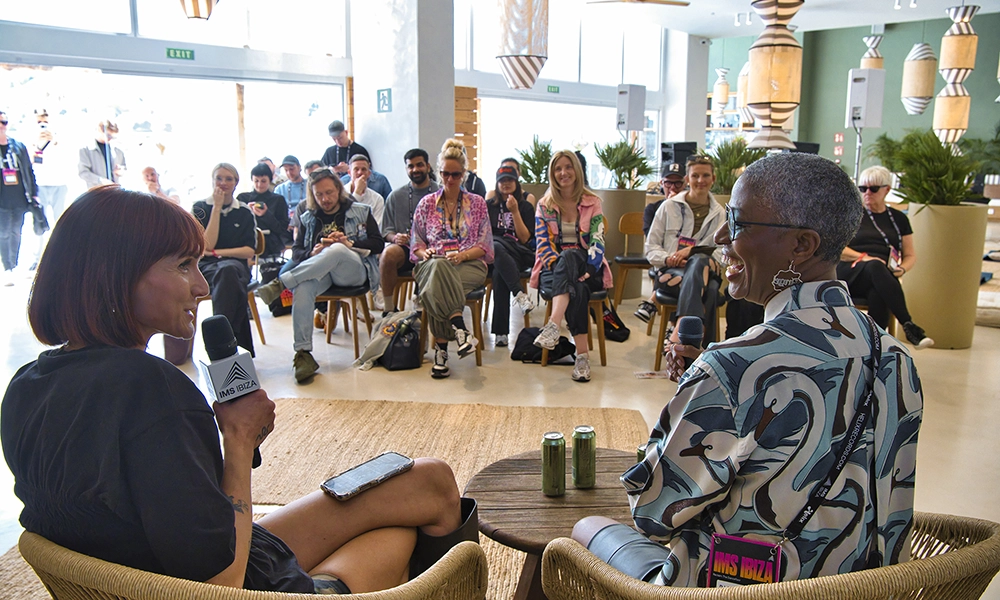
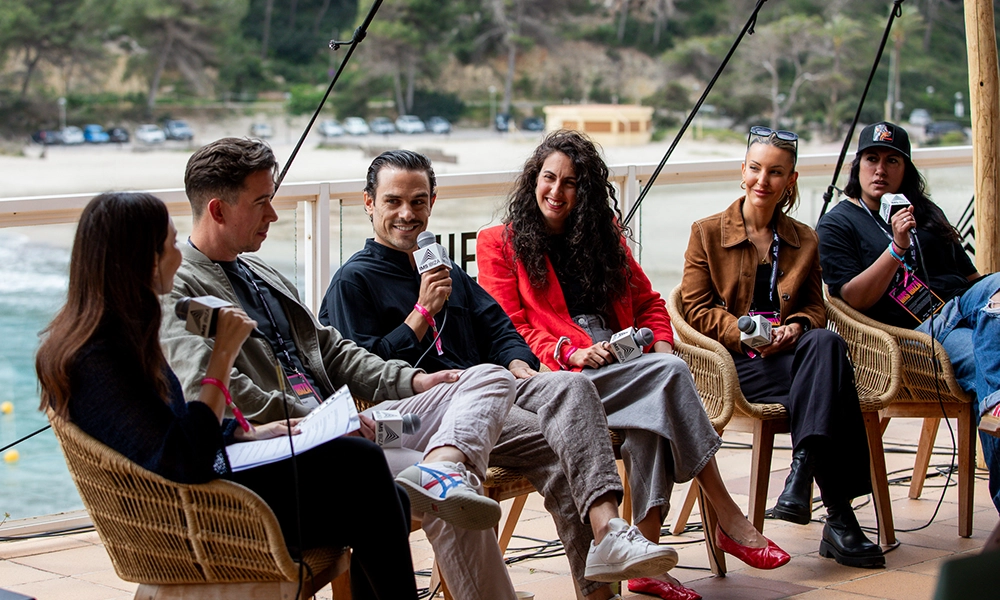
This is why attending the International Music Summit this year felt so significant. For nearly a decade, IMS has brought together the thinkers, artists and innovators shaping electronic music, but what struck me most was not simply the conversations about technology, talent or the future of the industry. It was the seriousness with which wellbeing had entered the room. Much of that is thanks to the work of The Art of Areté, whose programming has helped bring consciousness, health and human sustainability into a sector long associated with excess.
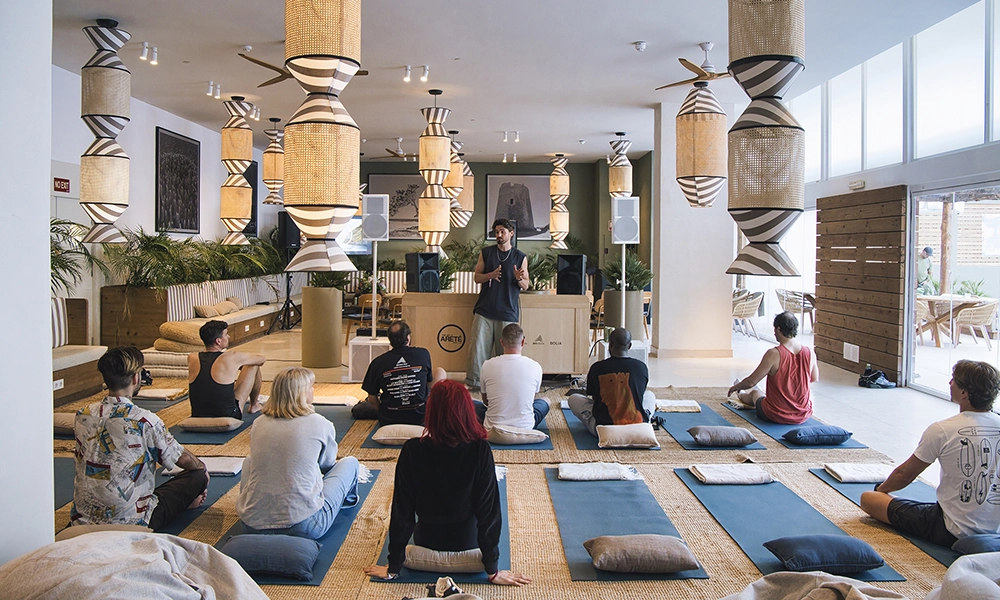
Over lunch, speaking with Ben Turner, Tracie Storey and Blaise DeAngelo about the evolution of this work, I was struck by how far the conversation has moved. What began years ago with a handful of delegates attending wellbeing discussions has grown into packed panels, engaged audiences and meaningful dialogue across genders and generations. Sessions ranged from nutrition and gut health to Ayurveda with Caroline Tong, guided meditation with Pete Tong and conversations exploring the realities of life in music — disrupted sleep, relentless travel, substance culture and mental health challenges. There were discussions around sober clubbing and the rise of the sober DJ, around how nightlife might adapt for a generation increasingly questioning alcohol, while also creating spaces where older clubbers can continue to feel they belong. It felt less like a fringe conversation and more like the beginnings of cultural change.
The Evolution of Nightlife and Wellbeing Culture
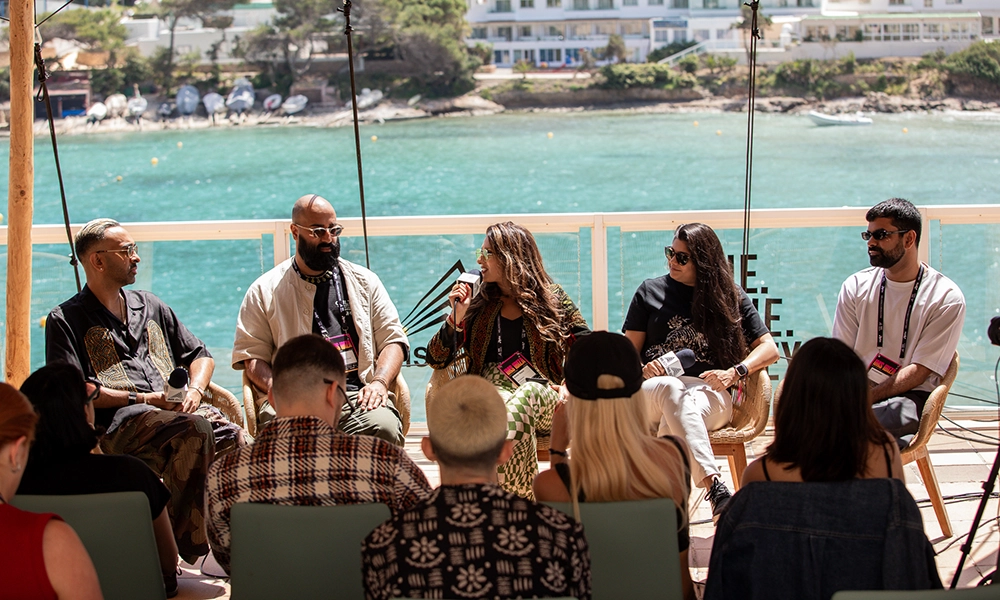
And perhaps that is where the most exciting possibility lies. Could club culture evolve from escapism into something regenerative? Could wellbeing sit at the heart of nightlife rather than outside it? I believe it can. Artists such as DJ N1nja, whose work blends breathwork and music, already point towards a new model — one where sound, movement and conscious experience intersect. Meanwhile, smaller intimate gatherings, sober events, secret parties and music-led experiences paired with yoga or breathwork suggest a quiet revolution is already underway. This is not about sanitising club culture, but expanding it. Reimagining the dancefloor as a place of freedom, connection and wellbeing.
Ibiza’s Iconic Dancefloors and Their Cultural Legacy
Nowhere was that spirit more palpable for me than in experiencing Amnesia Ibiza, particularly after seeing its history celebrated at IMS. The Balearic sound has always been rooted in emotion rather than formula, and Amnesia embodies that spirit. It is a place where, once you cross the threshold, the ordinary loosens its grip. Time feels suspended. The past dissolves. The present becomes absolute. It reminded me that the dancefloor can still be what it once was — not escape, but experience. A site of freedom. A place where identity softens and something deeper takes over.
The Future of Electronic Music and Community
The Beatport Awards offered another glimpse into the future. The diversity of emerging talent, the breadth of creative voices coming into electronic music and the sense of a scene in evolution felt genuinely exciting. It suggested that the next era of dance culture may be broader, more inclusive and more conscious than the one many of us first knew. Yet for all the conversation about innovation and technology, what struck me throughout the week was how often everything came back to something fundamentally human. Music. Movement. Community. The simple act of gathering together in rhythm.
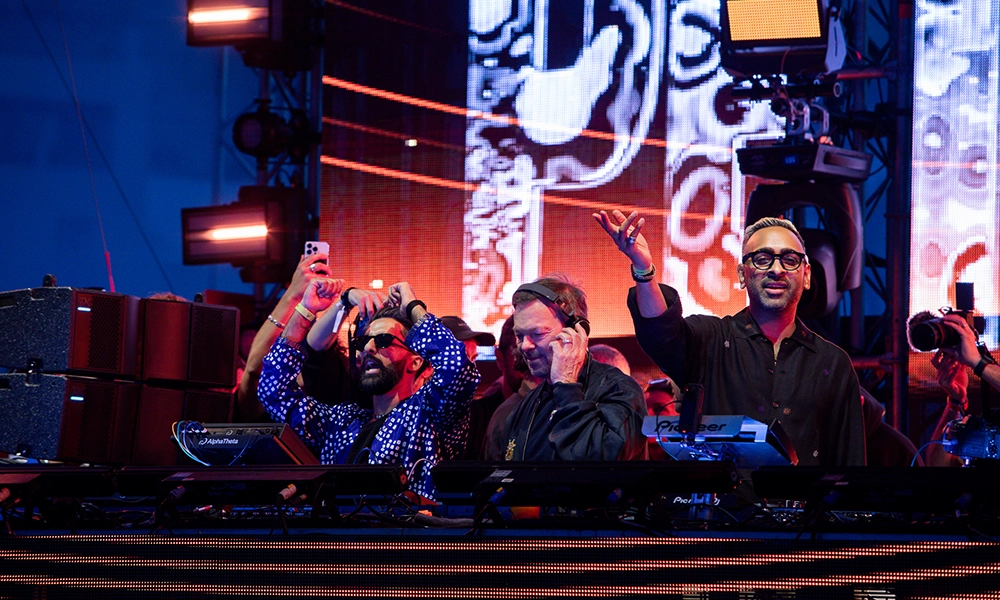
That was crystallised on the final night at Dalt Vila, watching Pete Tong, Indo Warehouse and Faithless beneath the stars. In that setting, electronic music felt almost ceremonial. There was something ancient in the collective rhythm, something primal in bass vibrating through the body, something almost devotional in dancing outdoors with strangers under an open sky. It made me realise that perhaps we have underestimated the role of dance in wellbeing because we have misunderstood it as entertainment alone. At its best, it is much more than that. It is communal medicine.
Reclaim the Dancefloor: A New Wellbeing Movement
This is where Reclaim the Dancefloor begins — not as a slogan, but as an invitation. An invitation to those who loved clubbing in the 80s and 90s and quietly assumed those days were behind them. An invitation to those curious about sober social spaces or looking for community beyond wellness studios. An invitation to the music industry to continue placing human wellbeing at the heart of culture. And perhaps, most importantly, an invitation to remember the dancefloor as a place of healing.
The Future of Club Culture and Wellbeing
As icons like Amnesia Ibiza celebrate decades of influence, I find myself wondering what the next fifty years of club culture might look like. My hope is that it becomes more diverse, more conscious and more intergenerational. Less dependent on substances. More rooted in wellbeing. More emotionally intelligent. More willing to recognise what dancers have always known instinctively — that music can heal, rhythm can regulate and community can restore.
Why Dancing Matters More Than Ever
For too long, dancing has been dismissed as frivolous. I would argue the opposite. In an anxious, disconnected and overstimulated world, learning how to gather, move and feel together may be one of the most important things we can reclaim. Perhaps the dancefloor was never just a party. Perhaps it was always practice — for freedom, for presence, for being fully human. And if, like me, you have been standing at the edge wondering whether you still belong there, let me reassure you. You do. It is time to reclaim the dancefloor.
- About the Author
- Latest Posts

Rachel Branson is the Founder of Haywood Media and Editor-in-Chief of Wellbeing Magazine, where she has spent more than twenty years exploring the relationship between health, wellbeing and the environments in which we live. Her passion for housing began growing up in her family’s estate agency, where her grandfather, father and uncles worked as a Chartered Surveyor specialising in commercial, residential property and new homes. She later became Head of Communications for a social housing provider, working closely with communities and new developments. Bringing together experience across property, housing, communications and wellbeing, Rachel is developing a new body of work focused on how homes and neighbourhoods can be designed to support healthier, happier lives through every stage of life.