Understanding the Gut-Brain Connection at the International Music Summit
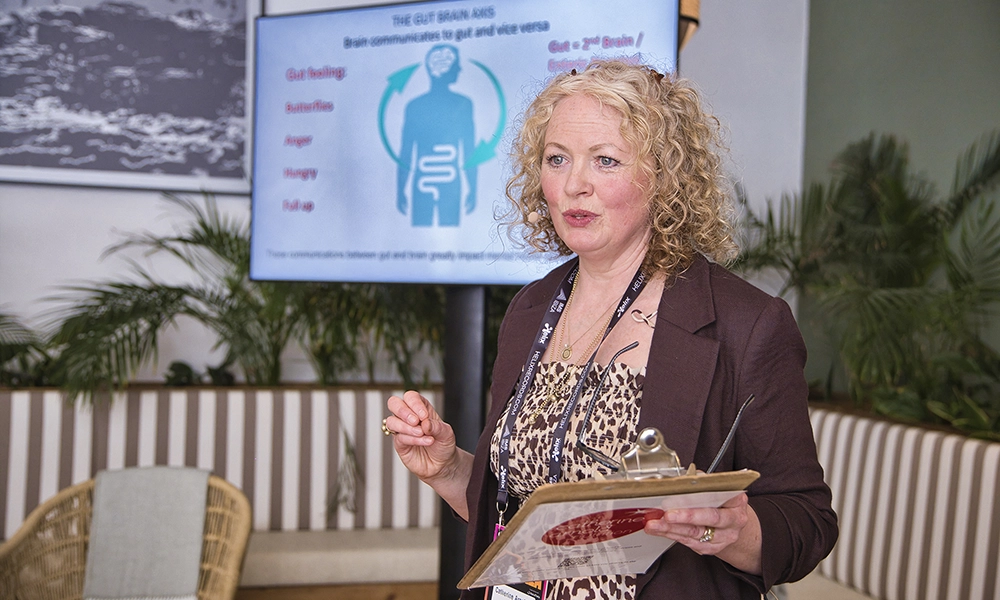
At this year’s International Music Summit, among the conversations about culture, creativity, nightlife and the future of music, one seminar felt especially relevant to the wider wellbeing conversation. Catherine Arnold, a Registered Nutritional Therapist and certified Functional Medicine Practitioner, spoke about Gut Feeling: How What You Are Eating Is Shaping Your Mind, exploring the fascinating connection between digestion, mood, stress, brain health and the nervous system. Catherine is a member of BANT, CNHC and the Institute of Functional Medicine, and describes her work as a science-led, root-cause approach to nutrition and health.
Why Mental Wellbeing Starts in the Body, Not Just the Mind
What struck me most while listening was how often we talk about mental wellbeing as though it exists only in the mind, when in reality the body is in constant conversation with the brain. Most of us have experienced this in simple ways. We know what butterflies feel like before an exciting or nerve-wracking moment. We know the sharp irritability of being hungry, the heaviness of eating too much, or the way stress can sit in the stomach before we have even named what we are feeling. These everyday sensations are not imaginary. They are signals from a deeply intelligent communication network between the gut and the brain.
What Is the Gut-Brain Axis and Why It Matters
At the centre of this relationship is the gut-brain axis, a two-way communication system between the digestive system and the central nervous system. The gut is sometimes referred to as the “second brain” because it has its own enteric nervous system, a complex network of neurons that helps regulate digestion and communicates constantly with the brain. This means the food we eat, the bacteria living in our gut, the state of our gut lining, our stress levels and even the way we breathe can influence how we feel, think, respond and recover.
The Role of the Vagus Nerve in Stress and Digestion
One of the most important messengers in this conversation is the vagus nerve, the longest cranial nerve in the body, which links the brain with major organs including the heart, lungs and digestive tract. Catherine described the vagus nerve as a crucial pathway between the gut and the brain, but its importance goes beyond digestion. It plays a key role in helping the body move into the parasympathetic nervous system, often described as the rest-and-digest state. When vagal tone is healthy, the body is better able to regulate stress, digest food, reduce inflammation, support emotional balance and return to calm after activation.
How Lifestyle Practices Support the Gut and Nervous System
This is why practices such as slow breathing, meditation, yoga, singing, humming, gentle exercise, time in nature and mindful eating are not simply “relaxing” extras. They are physiological tools that support the nervous system and, through the vagus nerve, influence gut function and brain health. In a festival and conference setting such as IMS, where energy, creativity and stimulation are everywhere, this reminder felt particularly powerful. Wellbeing is not only what we eat, but how safely our body feels able to receive, digest and use what we eat.
The Microbiome: How Gut Bacteria Influence Mood and Health
Catherine also spoke about the microbiome, the vast ecosystem of bacteria and other microbes living largely in the gut. These microbes are metabolically active and help digest food, support immunity, produce certain vitamins, influence appetite and contribute to the production of important neurotransmitters. Around 95% of serotonin is produced in the gut, along with significant amounts of dopamine and GABA, the calming neurotransmitter often associated with relaxation. This does not mean mood is only about the gut, but it does show that the gut is deeply involved in the chemistry of emotional life.
How to Support a Healthy Gut Microbiome
A healthy microbiome depends on diversity. Catherine encouraged thinking of the gut as an internal garden, one that needs feeding, tending and protecting. Fibre-rich vegetables, fruit, pulses, beans, nuts, seeds, herbs, spices and whole foods help nourish beneficial bacteria. Fermented foods such as sauerkraut, kimchi, kefir, miso, tempeh and fermented vegetables may add beneficial microbes and support microbial diversity. Her practical advice was simple and memorable: aim for around 30 different plant foods each week, including herbs and spices, and include fermented foods regularly where tolerated.
How Stress Impacts Gut Health and Digestion
Stress, however, can undo much of this good work. When the body is in fight-or-flight mode, digestion is not the priority. Blood flow is directed towards the muscles, stress hormones rise, stomach acid and digestive enzymes may be reduced, and the gut lining can become more vulnerable. Over time, chronic stress may contribute to dysbiosis, where the balance of beneficial and less helpful microbes shifts, and may affect the integrity of the gut barrier.
Leaky Gut and Its Impact on Overall Wellbeing
Catherine explained the importance of the gut lining, which is only one cell thick and relies on tight junctions to allow nutrients through while keeping waste products and toxins inside the gut. When this barrier becomes compromised, often referred to as intestinal permeability or “leaky gut”, larger food particles and bacterial toxins may pass into the bloodstream and trigger immune and inflammatory responses. This is one reason why gut health can show up far beyond the digestive system, including in skin, energy, immunity, inflammation and mood.
Nutrition for Mental Wellbeing: Protein, Fats and Brain Health
Food choices, then, become part of the mental wellbeing toolkit. Protein is essential because it provides amino acids, the building blocks for neurotransmitters. Catherine placed particular emphasis on a protein-rich breakfast, explaining that many modern breakfasts have become more like desserts: sweet cereals, pastries, fruit-heavy bowls or toast that may not provide enough protein to stabilise blood sugar. Starting the day with eggs, fish, chicken, good-quality meat, tofu, tempeh or other protein-rich foods can help reduce the blood sugar rollercoaster that often leads to cravings, irritability, anxiety and energy crashes.
Healthy fats are equally important because the brain is made largely of fat, with omega-3 fatty acids playing a key role in cognition and brain structure. Oily fish remains one of the richest dietary sources, while those who do not eat fish may consider algae-based omega-3s. Catherine also highlighted the importance of reducing excess ultra-processed foods and poor-quality vegetable oils, which can contribute to an inflammatory dietary pattern when consumed frequently.
Antioxidants, Brain Function and Cellular Health
Antioxidants were another key theme. The brain has high energy demands and contains many mitochondria, the tiny powerhouses within cells. As mitochondria produce energy, they also generate free radicals, which can damage tissues when not balanced by antioxidants. Eating a colourful variety of vegetables and fruits, especially berries, leafy greens, herbs, spices, green tea, rooibos, olive oil, turmeric and dark chocolate, can help provide polyphenols and other protective compounds that support brain and body resilience.
Sugar, Alcohol and Caffeine: Hidden Impacts on Mental Health
There was also a clear warning about the everyday substances many of us use to manage stress. Sugar may provide a temporary lift, but it can feed less beneficial bacteria, destabilise blood glucose and contribute to inflammation. Alcohol may initially increase GABA and create a feeling of relaxation, but regular use can disrupt sleep, the microbiome, mood regulation and the body’s natural ability to produce calming neurotransmitters. Caffeine, while not inherently bad and even beneficial for some, can upregulate the stress response, especially in sensitive individuals or when consumed before breakfast, late in the day or in large amounts.
Simple Daily Habits to Improve Gut and Mental Health
The practical message was not about perfection or restriction, but awareness. Chew properly. Sit down to eat. Put the phone away. Give the body time to digest. Drink enough water. Include bitter leaves or a small amount of apple cider vinegar before meals if appropriate. Eat fibre. Support the microbiome. Notice your stool, because digestion leaves clues. Make stress regulation as normal as brushing your teeth.
Listening to Your Gut: The Future of Holistic Wellbeing
What I took away from Catherine Arnold’s IMS seminar was a sense that “gut feeling” is not just a phrase. It is biology, intuition, chemistry and nervous system communication woven together. In a world where mental health is often discussed separately from food, digestion and lifestyle, the gut-brain axis invites us to see ourselves as whole. The mind is not floating above the body. It is listening to it, responding to it and being shaped by it every day.
Perhaps the real invitation is to begin with breakfast, with breath, with chewing, with colour on the plate, with a quieter nervous system and a more respectful relationship with the body’s signals. The gut is always speaking. The question is whether we are ready to listen.
- About the Author
- Latest Posts

Rachel Branson is the Founder of Haywood Media and Editor-in-Chief of Wellbeing Magazine, where she has spent more than twenty years exploring the relationship between health, wellbeing and the environments in which we live. Her passion for housing began growing up in her family’s estate agency, where her grandfather, father and uncles worked as a Chartered Surveyor specialising in commercial, residential property and new homes. She later became Head of Communications for a social housing provider, working closely with communities and new developments. Bringing together experience across property, housing, communications and wellbeing, Rachel is developing a new body of work focused on how homes and neighbourhoods can be designed to support healthier, happier lives through every stage of life.