
How Homeopaths Are Modernizing Their Practice Without Losing the Human Touch
There's a quiet tension at the heart of homeopathy today. It's a practice built on presence — long consultations, careful listening, remedies chosen not…
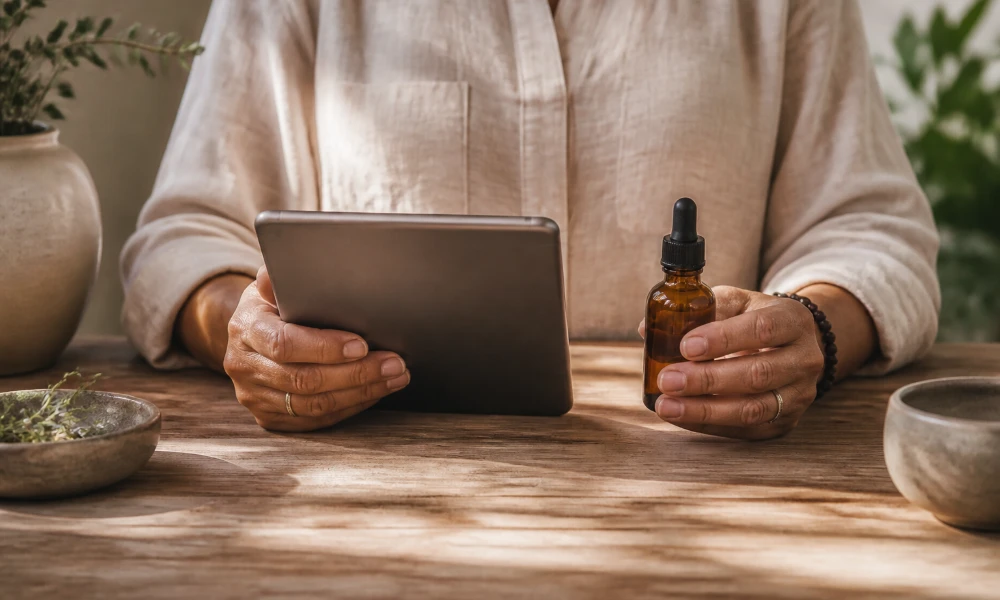
There's a quiet tension at the heart of homeopathy today. It's a practice built on presence — long consultations, careful listening, remedies chosen not from a checklist but from a full picture of a person's symptoms, temperament, and history. And yet, like every other field of care, it's being reshaped by technology.
For some practitioners, that feels uncomfortable. Homeopathy has always prided itself on being the opposite of rushed, transactional medicine. So when tools start entering the room, laptops, apps, digital records- there's an understandable worry: will this turn a deeply human practice into just another software-driven workflow?
Talk to homeopaths who've actually made the switch, though, and you hear a different story.
The Problem Was Never the Paper. It Was the Time.
Ask any practitioner who's been in the field for a decade or more, and they'll tell you the same thing: the hardest part of homeopathy was never taking the case. It was everything that came after.
A single intake can generate pages of notes — symptoms, modalities, mental and emotional states, family history, past remedies tried and their effects. Traditionally, all of that lived in binders, index cards, or scattered documents. Finding the right remedy meant flipping through a physical repertory, cross-referencing symptoms by hand, and trusting memory to connect threads across a patient's history.
That process didn't make the practice more human. It just made it slower. Practitioners were spending hours on administrative recall that had nothing to do with the actual art of healing.
What Changed
The shift over the last several years hasn't been about replacing the practitioner's judgment — it's been about giving them back the time and clarity to use it. Many homeopaths have started relying on dedicated homeopathy software to manage repertorization, patient histories, and remedy tracking in one place, rather than juggling notebooks and memory.
The effect isn't a colder practice. It's often the opposite. When a practitioner isn't spending twenty minutes hunting for a patient's remedy history from eight months ago, that time goes back into the conversation. Consultations get longer, not shorter. Follow-ups become more precise, because the practitioner is working from a complete record instead of a partial memory of what worked last time.
One practitioner described it simply: the software didn't change how she practices homeopathy. It changed how much of herself she had left at the end of the day to actually do it.
Rethinking What "High-Touch" Means
There's an assumption that anything digital works against intimacy in care. But most homeopaths who've adopted these tools describe the opposite experience. A well-organized digital repertory means less time flipping pages mid-session and more eye contact with the patient. A searchable case history means a practitioner can instantly recall a detail from three appointments ago without asking the patient to repeat themselves.
In that sense, tools like Similia aren't replacing the relationship at the center of homeopathy — they're removing the friction that used to get in its way. The practitioner is still the one listening, still the one weighing subtle symptoms against each other, still the one making the judgment call on a remedy. The software just makes sure nothing gets lost between one visit and the next.

Where This Is Heading
As more practitioners train and build their practices, it's becoming less common to see homeopathy taught purely as a paper-based art. Newer practitioners are entering the field already expecting some form of digital case management, the same way they'd expect any modern healthcare practice to have organized records.
That's not a loss of tradition; it's an update to its infrastructure. The remedies haven't changed. The philosophy hasn't changed. What's changed is that practitioners now have access to digital repertorization tools for homeopaths that handle the repetitive parts of the job, so more energy goes toward the parts that actually require a human being: the listening, the intuition, the relationship built over years of care.
Homeopathy has survived for over two centuries because it adapts without losing its core. This is just the latest version of that adaptation, quieter, more efficient, and, if anything, more human where it counts.