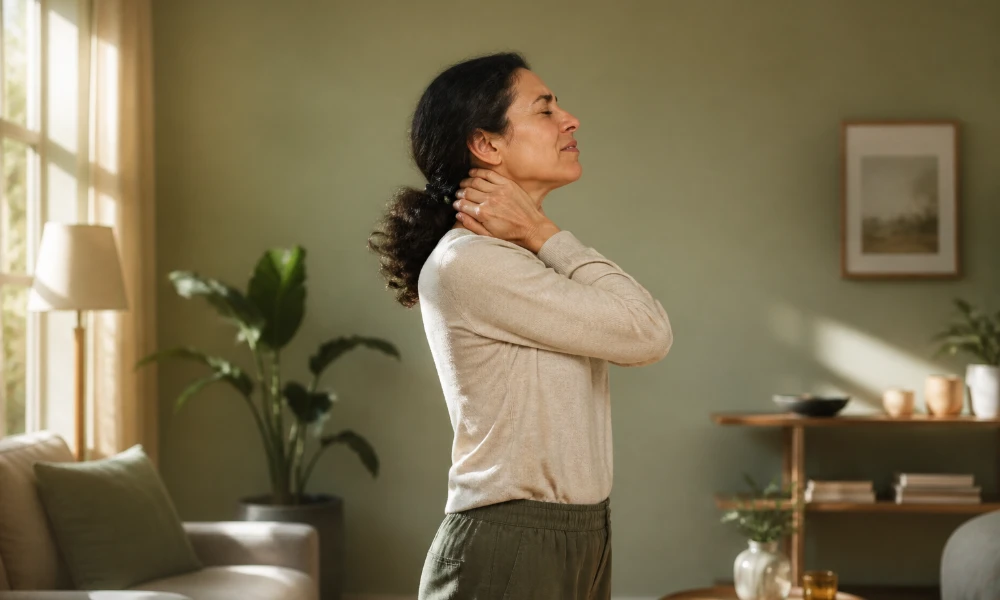
Pain Relief Without Medication: 10 Ways to Manage Pain Naturally
Discover 10 drug-free approaches to managing back pain, joint pain and muscle aches, including exercise, heat therapy, physiotherapy and mindfulness.

Whether you're dealing with a stiff neck, aching joints, lower back pain or discomfort following an injury, medication isn't always the only option. From heat and cold therapy to gentle movement, physiotherapy and relaxation techniques, there are several drug-free approaches that may help relieve pain, improve mobility and support everyday wellbeing.
Pain is something most of us experience at some point in our lives. It might be the familiar ache of a stiff back after sitting at a desk, sore muscles following exercise or joint discomfort that makes everyday activities more difficult.
For some people, pain is temporary and improves as an injury heals. For others, it becomes an ongoing challenge that affects sleep, work, relationships and the ability to enjoy life.
Although painkillers can play an important role in managing symptoms, not everyone wants to rely on medication, and some people cannot take certain medicines because of side effects or existing health conditions.
Fortunately, there are several non-drug approaches that can help.
The key is understanding which treatments are supported by evidence, which might offer temporary comfort and when persistent pain needs professional assessment.
What causes pain, and why does it sometimes persist?
Pain is a complex experience involving the nervous system, the body and the brain.
When we injure ourselves, specialised nerves can detect potentially harmful stimuli and send signals towards the brain, contributing to the sensation of pain.
This protective response encourages us to pay attention to an injury and avoid further damage.
However, pain does not always correspond directly to the amount of tissue damage present.
Long-term pain can involve changes in how the nervous system processes signals. Stress, poor sleep, previous experiences and emotional wellbeing can also influence how intensely pain is experienced.
This doesn't mean the pain is imaginary. It means that pain is influenced by several interacting biological and psychological processes.
The NHS and NICE recognise the value of a personalised approach to pain management, particularly when symptoms have persisted for several months.
1. Heat therapy for muscle tension and stiffness
Applying warmth is one of the simplest ways to relieve certain types of discomfort.
A warm bath, reusable heat pack or hot water bottle may help soothe tight muscles and ease stiffness, particularly around the neck, shoulders and lower back.
Heat can temporarily increase local blood flow and may help muscles relax, making gentle movement feel more comfortable.
When can heat help?
Heat therapy may be useful for:
Muscle tension and stiffness.
Some types of lower back discomfort.
Chronic muscle aches.
Joint stiffness, particularly before gentle exercise.
Apply warmth for around 15–20 minutes, checking regularly that your skin isn't becoming too hot.
Always wrap hot water bottles or heat packs in a suitable cover rather than placing them directly against the skin.
Avoid falling asleep with an electrical heat pad switched on, and take extra care if you have reduced skin sensation, circulation problems or diabetes-related nerve damage.
For a new injury involving significant swelling, cold therapy may be more appropriate initially.
2. Cold therapy for sprains, strains and swelling
Cold therapy can be helpful after certain minor injuries, particularly when pain is accompanied by swelling.
Applying a wrapped ice pack temporarily reduces local skin temperature and may help ease pain.
For a recent sprain or strain, NHS guidance recommends applying an ice pack wrapped in a towel for up to 20 minutes every two to three hours during the first couple of days.
Never place ice directly against the skin, as it can cause cold injury.
Cold therapy is often used alongside protection, appropriate rest, compression and elevation during the early stages of a sprain or strain.
However, prolonged immobilisation is not usually helpful for uncomplicated injuries. Once movement is comfortable and safe, gradually using the affected area can help prevent unnecessary stiffness.
If you cannot bear weight, suspect a fracture or experience severe swelling or deformity, seek medical assessment.
3. Gentle movement and exercise for long-term pain
It may seem counterintuitive, but movement is often one of the most effective approaches to managing persistent musculoskeletal pain.
When something hurts, our natural instinct may be to avoid using it. While temporary rest is sometimes necessary after an injury, prolonged inactivity can contribute to muscle weakness, reduced flexibility and increasing stiffness.
NICE recommends tailored therapeutic exercise as a core treatment for osteoarthritis and encourages physical activity for people with several forms of persistent pain.
The aim is not to push through severe pain or force your body to perform movements it cannot manage.
Instead, focus on gradual, appropriate activity.
Which exercises may help?
Depending on your condition, useful options may include walking, gentle stretching, strengthening exercises, swimming or water-based activity.
For people with osteoarthritis, exercises that strengthen the muscles supporting affected joints can improve function and help manage symptoms over time.
People experiencing back pain may benefit from gradually returning to normal activities and following an appropriate exercise programme.
If you are unsure which movements are suitable, a physiotherapist can help create a personalised plan.
Consistency is generally more valuable than occasional intense exercise.
4. Physiotherapy for back pain, joint pain and injuries
Physiotherapy is one of the most useful non-drug approaches for many musculoskeletal conditions.
Physiotherapists assess movement, physical function, strength and other factors contributing to discomfort.
Rather than simply treating the area that hurts, they can help identify movements, physical demands or muscle weaknesses that may be contributing to symptoms.
Treatment might involve a programme of strengthening exercises, mobility work, education and practical advice about everyday activities.
For example, someone experiencing recurrent lower back pain may benefit from improving their movement confidence and overall physical conditioning rather than relying entirely on passive treatments.
Physiotherapy may also support recovery following sports injuries, surgery or periods of reduced mobility.
NHS physiotherapy services may be available through GP referral or self-referral, depending on where you live.
5. Massage therapy for temporary pain relief
Massage can feel particularly helpful when muscles are tight, sore or fatigued.
Techniques involving gentle pressure and movement of the soft tissues may provide temporary relief and encourage relaxation.
Some people find massage helpful for neck and shoulder tension or general muscle discomfort.
However, the scientific evidence varies depending on the condition being treated, and massage is not a guaranteed solution for chronic pain.
For lower back pain, NICE recommends considering manual therapies, including certain massage techniques, only as part of a treatment package that includes exercise.
This distinction is important because passive treatments may provide temporary comfort without addressing factors contributing to recurring symptoms.
Avoid deep massage over recent injuries, unexplained swelling or areas where blood clots, fractures or infections may be a concern.
If you have a medical condition that affects circulation, bleeding or tissue health, seek professional advice before treatment.
6. TENS machines for pain management
Transcutaneous electrical nerve stimulation, commonly known as TENS, is a drug-free technique that uses a small device to deliver mild electrical impulses through electrodes placed on the skin.
The NHS describes TENS as a method that can provide temporary relief for certain types of pain.
It is thought to influence the way pain signals are transmitted and processed.
TENS machines are used by some people experiencing period pain, labour pain and certain musculoskeletal conditions.
However, results vary considerably, and TENS is not effective for everyone.
What does the research say?
The evidence depends on the condition being treated.
Although some people experience temporary relief, NICE does not recommend TENS for managing low back pain, osteoarthritis or chronic primary pain because the available evidence has not established sufficient benefit for those conditions.
It is therefore important not to assume that TENS will work simply because it is marketed for pain relief.
People with pacemakers or epilepsy should not use TENS, and it should not be used during pregnancy unless advised by an appropriate healthcare professional.
If you are considering purchasing a device, speak to a GP, physiotherapist or other qualified professional about its suitability.
7. Mindfulness and relaxation techniques
Living with persistent pain can be physically and emotionally exhausting.
Pain may interfere with sleep, reduce confidence in movement and make everyday responsibilities feel more demanding.
Stress and anxiety can also affect the nervous system and influence how pain is experienced.
Mindfulness, breathing exercises and relaxation techniques may help some people manage the emotional and physical tension associated with discomfort.
For example, slow, comfortable breathing may help reduce feelings of stress during a pain flare-up.
Mindfulness encourages awareness of sensations, thoughts and emotions without immediately reacting to them.
Rather than trying to make pain disappear, these techniques aim to change how we respond to difficult experiences.
Evidence for mindfulness as a specific treatment for chronic pain remains mixed, but some people find it helpful as part of a wider self-management approach.
These techniques should complement, rather than replace, appropriate medical assessment and treatment.
8. Cognitive behavioural therapy for chronic pain
Psychological therapies are sometimes misunderstood when recommended for physical pain.
However, being referred for psychological support does not mean a healthcare professional believes your pain is imaginary.
Persistent pain can affect sleep, mood, confidence, relationships and daily activities. These experiences can then influence how manageable the pain feels.
Cognitive behavioural therapy (CBT) for pain helps people explore patterns of thinking and behaviour that may be making life with pain more difficult.
Acceptance and commitment therapy (ACT) takes a related approach, helping people develop psychological flexibility and continue pursuing meaningful activities despite ongoing symptoms.
NICE recommends considering CBT or ACT delivered by appropriately trained professionals for people with chronic primary pain.
The objective is not necessarily to eliminate every painful sensation but to improve quality of life, coping and day-to-day functioning.
9. Acupuncture: what does the evidence say?
Acupuncture involves inserting very fine needles into specific points on the body.
It has been used in traditional Chinese medicine for centuries and is also practised within some Western healthcare settings.
Some people find acupuncture helpful for certain pain conditions, although the evidence varies.
NICE recommends considering a limited course of acupuncture or dry needling for some people with chronic primary pain under specified conditions.
However, NICE does not recommend acupuncture for low back pain or osteoarthritis.
This highlights an important principle: evidence for a treatment in one condition does not automatically mean it works for every type of pain.
Acupuncture should be delivered by an appropriately qualified practitioner who follows suitable hygiene and safety standards.
People taking anticoagulants, those with bleeding disorders or certain other health conditions should discuss any additional risks before treatment.
10. Improving sleep and daily habits
Pain and sleep often influence one another.
Discomfort may make it difficult to fall asleep or stay asleep, while poor sleep can increase sensitivity to pain and reduce our ability to cope with everyday challenges.
Creating a consistent sleep routine may therefore be an important part of managing ongoing discomfort.
Try keeping regular sleeping and waking times, creating a comfortable bedroom environment and allowing time to wind down before bed.
Daytime physical activity can also support sleep, provided it is suitable for your condition.
For people whose pain interferes with work or daily activities, adapting routines can be helpful.
This might mean alternating between sitting and standing, breaking demanding activities into manageable periods or planning rest breaks before symptoms become overwhelming.
The aim is to find a sustainable balance between activity and recovery rather than avoiding movement altogether.
What about herbal remedies and magnetic pain relief products?
Many products are marketed as natural alternatives to painkillers, including herbal creams, magnetic bracelets, infrared supports and electromagnetic devices.
However, natural or drug-free products are not automatically safe or effective.
Herbal pain remedies
Some traditional herbal medicines are marketed for joint discomfort, muscle aches or stiffness.
A traditional herbal registration indicates that a product meets certain standards of quality and safety and has a history of traditional use for specified conditions.
It does not necessarily mean that effectiveness has been demonstrated through the same level of clinical evidence required for licensed conventional medicines.
Herbal ingredients may also cause side effects or interact with prescribed medication.
Magnetic and electromagnetic devices
Static magnetic bracelets have not been convincingly shown to relieve musculoskeletal pain.
Research into pulsed electromagnetic field therapy (PEMF) has produced some encouraging results for certain conditions, but findings remain mixed and depend on the device and treatment protocol.
Claims that a wearable support or electromagnetic device is more effective or safer than painkillers should not be accepted without reliable evidence from well-designed clinical studies.
For most people, a carefully chosen programme of movement, appropriate self-care and professional support provides a stronger starting point.
Which drug-free pain relief method should you try?
The most appropriate approach depends on the cause, location and duration of your pain.
Type of pain | Approaches to consider |
|---|---|
Muscle tension and stiffness | Gentle movement, warmth, relaxation and appropriate exercises |
Recent minor sprain or strain | Protection, cold therapy, compression, elevation and gradual return to movement |
Lower back pain | Staying active, appropriate exercises and physiotherapy |
Osteoarthritis | Tailored strengthening, aerobic activity and weight management where appropriate |
Persistent pain lasting over three months | Individual assessment, graded activity, pain management support and suitable psychological therapies |
Recurring neck and shoulder discomfort | Movement breaks, strengthening, physiotherapy and possible short-term massage |
These are general examples rather than individual treatment recommendations. A proper diagnosis is important, particularly when symptoms are severe, unexplained or worsening.
When should you see a doctor about pain?
Although many everyday aches and minor injuries improve with time and self-care, some symptoms require medical attention.
Contact your GP if pain persists, repeatedly returns, interferes with sleep or everyday activities, or is becoming progressively worse.
Seek urgent medical assessment for a hot, swollen joint accompanied by fever, severe pain after an injury or an inability to bear weight.
For back pain, new bladder or bowel control problems, numbness around the genitals or anus, or significant new leg weakness may indicate a medical emergency and require immediate assessment.
Pain should never be dismissed simply because you would prefer to avoid medication.
Identifying the underlying cause can make it easier to choose the safest and most appropriate treatment.
Can you manage pain naturally without medication?
For many people, drug-free approaches can play a meaningful role in reducing discomfort and improving everyday function.
Some treatments, particularly therapeutic exercise and appropriate rehabilitation, have strong evidence for specific conditions. Others may offer short-term comfort, while certain commercially promoted remedies have little convincing research behind them.
There is also no reason to regard taking medication as a failure.
Pain relief medicines can be appropriate and beneficial when used safely, particularly when they make it possible to sleep, move or participate in rehabilitation.
The most effective approach is often one that combines appropriate treatment with practical changes to daily habits, movement and self-care.
Ultimately, managing pain is not simply about making a symptom disappear. It is about understanding your body, maintaining independence and finding ways to continue enjoying the activities that matter to you.
Frequently asked questions about drug-free pain relief
What is the best natural pain relief?
There is no single best treatment for every type of pain. Therapeutic exercise and physiotherapy have good evidence for several musculoskeletal conditions, while heat or cold therapy may provide short-term relief for particular symptoms.
How can I relieve back pain without medication?
Staying active, avoiding prolonged bed rest and following an appropriate exercise programme can help many people with uncomplicated lower back pain. Physiotherapy may be beneficial if symptoms persist or interfere with daily activities.
Is heat or cold better for pain?
Cold therapy may help reduce discomfort and swelling following a recent minor sprain or strain. Heat can be helpful for muscle tension and stiffness. The most suitable choice depends on the cause of the pain and whether a recent injury is involved.
Does TENS actually relieve pain?
TENS can provide temporary relief for some people, but results vary. NICE does not recommend it for low back pain, osteoarthritis or chronic primary pain because evidence of benefit for those conditions is insufficient.
What helps joint pain without medication?
Tailored strengthening exercises, suitable aerobic activity and physiotherapy can help manage joint pain caused by osteoarthritis. Weight management may also improve symptoms for people living with overweight or obesity.
Can mindfulness reduce chronic pain?
Mindfulness may help some people manage the emotional distress and stress associated with persistent pain. However, evidence for direct pain reduction is mixed, and mindfulness should be viewed as a possible complementary approach rather than a cure.
Do magnetic bracelets help relieve pain?
There is no convincing scientific evidence that static magnetic bracelets reliably relieve chronic or musculoskeletal pain. Electromagnetic treatments use different technologies and have separate research evidence.
Can chronic pain be treated without painkillers?
Non-drug treatments can be important components of chronic pain management. Depending on the condition, these may include exercise, physiotherapy, CBT or ACT, and self-management strategies. Treatment should be personalised, and medication may still be appropriate for some individuals.
Editor's note: This article has been substantially rewritten and updated by the Wellbeing Magazine editorial team, replacing an earlier product-focused feature with an independent, evidence-informed guide to non-drug pain management.
Medical disclaimer: This article provides general health information and is not a substitute for medical advice, diagnosis or treatment. Do not discontinue prescribed medication without consulting your healthcare professional.
Filed underBack pain, Injury & recovery, Chronic pain, Arthritis, Herbal medicine, Physiotherapy, Cold & heat therapy, Acupuncture, Massage, Osteopathy, Chiropractic